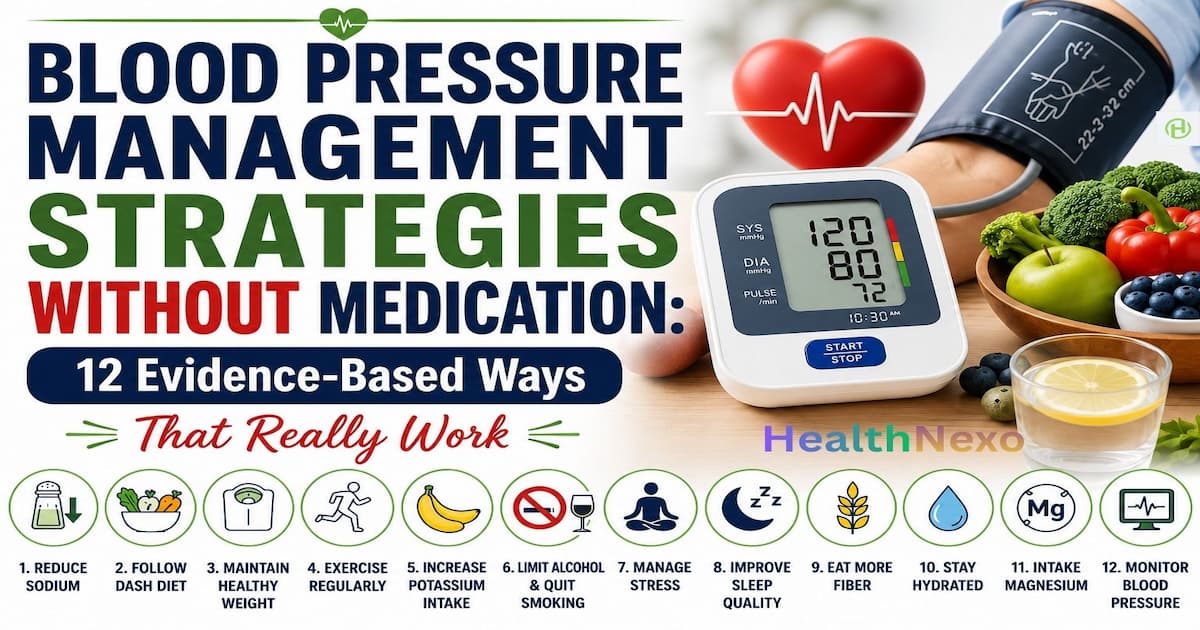
High blood pressure, medically known as hypertension, often progresses silently without causing noticeable symptoms, making regular blood pressure checks essential for early detection. Without proper treatment, high blood pressure can significantly increase the risk of heart disease, stroke, and kidney damage. Knowing the right Blood Pressure Management Strategies Without Medication is important because uncontrolled high blood pressure can lead to serious complications, including heart disease, stroke, and kidney disease.
The statistics provided by the World Health Organization (WHO) indicate that about 1.28 billion people suffer from high blood pressure around the world and do not even know about it.
If you’re looking for effective blood pressure management strategies without Medication. This guide outlines 12 research-backed lifestyle changes that can help improve blood pressure and support overall heart health.
Understanding blood pressure levels
Blood pressure is the measurement of the force that circulating blood places on the walls of the arteries as it moves through the body. It reflects how hard the heart is working to pump blood and is an important indicator of cardiovascular health. It is measured using millimeters of mercury (mm Hg) and is regarded as the most important sign of the healthiness of the heart.
The management of high blood pressure becomes very important to prevent heart diseases, stroke, and damage to the kidney. The maintenance of good blood pressure levels helps in lowering your risk of getting heart disease. Blood pressure comprises two parts:
- Systolic Blood Pressure (top number): It is the pressure exerted by the arteries when your heart is working and circulating blood. It is the higher number in comparison to diastolic blood pressure.
- Diastolic Blood Pressure (bottom number): the measure of how much pressure you are experiencing between heartbeats. The diastolic blood pressure is the lowest number in a blood pressure reading.
For instance, in a reading of 120/80 mmHg, 120 mmHg represents the systolic pressure, while 80 mmHg indicates the diastolic pressure.
Stages of Blood Pressure
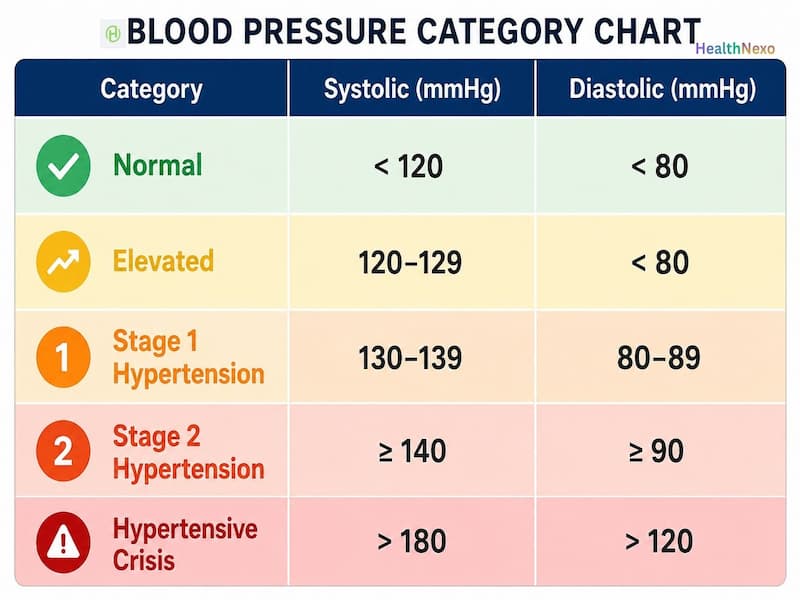
Here’s how blood pressure readings are classified according to the AHA guidelines:
- Normal: A blood pressure reading below 120/80 mm Hg is considered within the healthy range.
- Elevated: An elevated blood pressure reading means the systolic pressure is 120–129 mm Hg, while the diastolic pressure remains under 80 mm Hg.
- Stage 1 Hypertension: Systolic pressure ranges from 130 to 139 mm Hg or diastolic pressure is between 80–89 mm Hg.
- Stage 2 Hypertension: Blood pressure is 140/90 mm Hg or higher.
- Hypertensive Crisis: Readings exceed 180/120 mm Hg, which requires immediate medical attention.
About low blood pressure
Low blood pressure (hypotension) is commonly diagnosed when a person’s blood pressure reading is consistently below 90/60 mm Hg. While it may not cause symptoms in everyone, it can sometimes lead to health concerns. Low blood pressure in most individuals does not lead to any signs and does not require any medical attention.
The blood pressure will drop too low in severe situations, which means your important organs of your body such as your heart, brain and kidney will lack blood supply. You may experience dizziness, blurred vision, fainting, fatigue, poor concentration, or confusion.
Why Blood Pressure Matters
Hypertension is often considered a hidden health threat because it usually develops without noticeable symptoms until complications occur. This medical condition can affect the organs of the heart, brain, kidneys, and other vital organs of the human body, resulting in an elevated risk of having heart attacks and strokes.
Why is it important?
Allows identifying hypertension before the onset of complications
- Prevents heart attacks and strokes
- Protects the kidneys, brain, and eyes from further damage
- Motivates adopting healthy habits when needed
- Helps monitor the effect of the adopted diet and treatment plan
- Supports long-term heart and overall health
Signs and symptoms of blood pressure problems
There are two kinds of abnormalities when it comes to blood pressure; either high blood pressure or low blood pressure.
Common symptoms of high blood pressure:
- Headache
- Dizziness or light-headedness
- Vision blurring
- Pain in the chest area
- Shortness of breath
- Nose bleed (rare)
- Fatigue or dizziness
Emergency situations: If one’s BP is above 180/120mmHg with chest pain, vision problems, shortness of breath, consult a doctor immediately.
Common symptoms of low blood pressure:
- Dizziness or fainting
- Vision becoming blurred
- Feeling weak and tired
- Nausea
- Lack of concentration
- Skin feeling cold and clammy
- Rapid breathing
Low blood pressure is generally due to dehydration, sudden positional changes, or some diseases condition.
Causes of blood pressure variability
High blood pressure (hypertension) and low blood pressure (hypotension) are two opposite conditions in which blood pressure problems occur, and several causes exist.
Causes of High Blood Pressure
- High sodium intake
- Overweight or obesity
- Lack of physical activity
- Long-term stress and anxiety
- Smoking and heavy alcohol consumption
- Unhealthy diet (processed and fatty foods)
- Genetic factor (family history)
- Aging
- Kidney disease or thyroid disorder
Causes of Low Blood Pressure
- Dehydration
- Vitamin and mineral deficiency—B12, iron
- Cardiac causes weak pumping function.
- Blood loss or internal hemorrhage
- Hormonal imbalance
- Certain medications
- Pregnancy
- Long-term bed rest or inactivity
How Blood Pressure Affects the Body
Blood pressure problems affect many important organs in the body.
Effects of High Blood Pressure:
- Heart attack and heart failure
- Stroke (brain damage)
- Kidney damage
- Eye problems (vision loss)
- Artery damage and poor circulation
- Memory and brain problems
Effects of Low Blood Pressure:
- Dizziness and fainting
- Weakness and fatigue
- Blurred vision
- Poor blood flow to organs
- In severe cases, shock
12 Evidence-Based Blood Pressure Management Strategies
Some of the approaches to controlling high blood pressure without drugs are suggested as the first steps when dealing with people with mild or moderate hypertension. In accordance with the suggestions by the WHO and the American Heart Association, certain adjustments in one’s lifestyle may help control blood pressure and possibly eliminate the necessity of taking medications.
The following is a list of 12 tips suggested by doctors to lower blood pressure and improve heart health.
1. Reduce Dietary Sodium
An excess amount of sodium can result in high blood pressure as it raises blood pressure through increasing blood pressure by retaining fluid, and it results in increased blood volume. Studies show that reducing sodium intake can lower systolic blood pressure by about 5–6 mmHg.
Recommendations:
- Sodium intake should be less than 2,300 mg/day.
- Target value: 1,500 mg/day (as recommended by AHA)
Practical measures:
- Avoid highly processed food items (chips, macaroni, fast food)
- Check nutritional information on labels
- Cook fresh meals
- Use herbs instead of salt
2. Follow the DASH Diet
Another name for the DASH Diet is “Dietary Approaches to Stop Hypertension” and the diet is successful in lowering blood pressure. People on the DASH Diet have a considerable intake of fruits and vegetables, beans, lean meat, whole grain products, and nuts. The DASH Diet has also caused a decrease in systolic blood pressure by 8mm Hg to 14mm Hg.
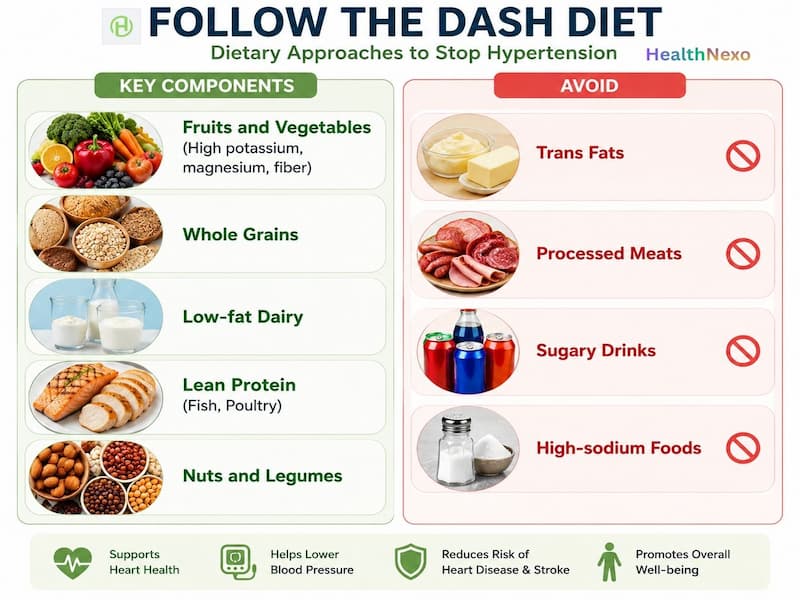
Key components:
- Fruits and vegetables (high potassium, magnesium, fiber)
- Whole grains
- Low-fat dairy
- Lean protein (fish, poultry)
- Nuts and legumes
Avoid:
- Trans fats
- Processed meats
- Sugary drinks
- High-sodium foods
3. Maintain a Healthy Weight Range
More body mass means greater resistance within the blood vessels and stimulation of the hormonal system. Being overweight can increase the activity of the renin-angiotensin system, which regulates blood pressure. This may cause blood vessels to narrow and contribute to elevated blood pressure over time. Research suggests that losing just 1 kg of body weight may reduce systolic blood pressure by about 1 mmHg.
Strategies:
- Calorie control
- High-fiber diet
4. Regular physical activity
Regular exercise improves blood vessel function, reduces arterial stiffness, and helps the heart pump blood more efficiently. More exercise can develop your heart muscle and help it pump blood in a more efficient way. According to the American Heart Association, the best practice of regular physical activity is at least 150 minutes per week. In this way, systolic blood pressure decreases by approximately 5–8 mmHg.
Best activities:
- Brisk walking
- Cycling
- Swimming
- Jogging
5. Increase Potassium Intake If Kidney Function is Normal
It is important to understand that potassium is vital in ensuring healthy blood pressure in the body. This is because potassium counteracts the effect of sodium by making sure that excess sodium in the body is eliminated via urination. Potassium is also known to relax blood vessels, thus reducing blood pressure.
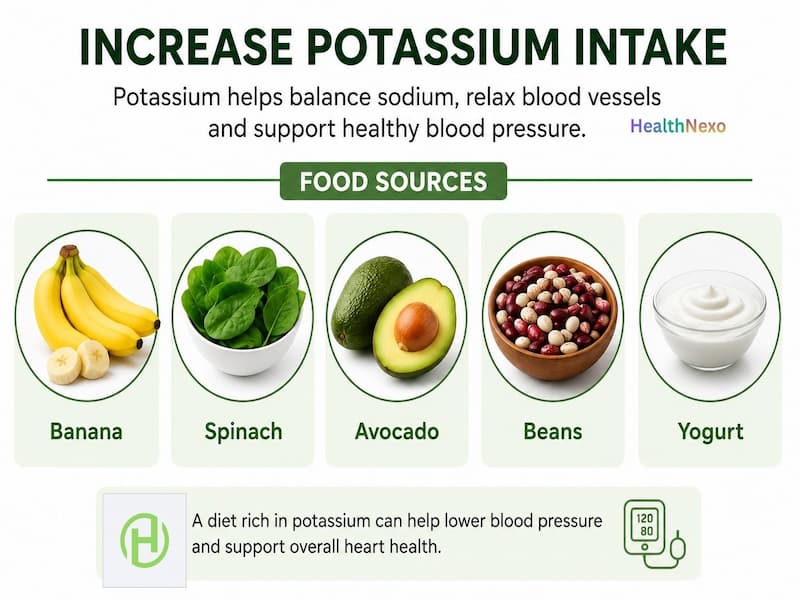
Food sources:
- Banana
- Spinach
- Avocado
- Beans
- Yogurt
- Avoid excess potassium if you have kidney disease.
6. Limit Alcohol Intake & Quit Smoking
Alcohol consumption and smoking are two major reasons why blood pressure may rise, thus increasing the chances of high blood pressure. Consuming alcohol also causes a surge in the speed of the heartbeat and hence high blood pressure, and it narrows down the blood vessels, leading to less blood flow, which causes bad blood circulation.
Important points:
- Alcohol: Limit alcohol to 1 drink per day for women and 2 drinks per day for men.
- Reduction of alcohol can reduce BP by 2–4 mmHg.
- Smoking leads to a sudden increase in BP through vasoconstriction.
- Chronic smoking raises chances of heart attacks and strokes
7. Reduce chronic stress
The continual presence of stress in the body results in the release of stress hormones such as adrenaline and cortisol. This causes an increased rate of heart beats because blood vessels are constricted, which causes high blood pressure. The heart could also be highly affected by prolonged stress.
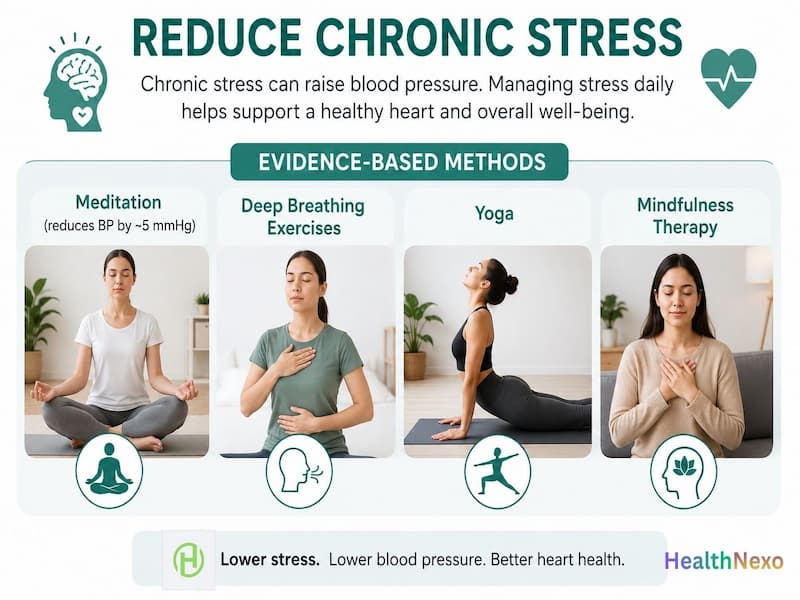
Evidence-based methods:
- Meditation (reduces BP by ~5 mmHg)
- Deep breathing exercises
- Yoga
- Mindfulness therapy
8. Enhance sleep quality
Lack of a good sleep regime triggers a part of the sympathetic nervous system. When this happens, your body secrets a stress hormone that results in changing your blood pressure ranges. Proper sleep could aid in getting optimum cardiovascular health.
Important facts:
- Aim for 7 to 9 hours of quality sleep every night.
- Healthy sleep habits can help maintain normal blood pressure and reduce the risk of hypertension
- There is a strong correlation between sleep apnea and resistant high blood pressure.
- Good sleep helps with balancing hormones and proper heart functioning.
9. Increase dietary fiber intake
Incorporating enough fiber into your diet can work wonders, helping to improve your cholesterol levels and enhance your body’s sensitivity to blood glucose. Getting enough dietary fiber can help support healthy blood pressure and promote long-term heart health. A high fiber diet helps to maintain a good body weight and overall performance of the heart.
Sources:
- Oats
- Whole grains
- Fruits
- Legumes
10. Healthy Hydration Habits
If you are dehydrated, then there will be less blood in your body and thus the blood vessels will become narrow. This could lead to high blood pressure for some people.
Recommendation:
- 2–3 liters of water/day (varies by climate & activity)
11. Consume Magnesium-Rich Foods
Calcium channel blocking is one way magnesium can be used in regulating blood pressure. This occurs through the relaxation of blood vessels. Magnesium also plays a role in heart and nerve functioning, hence its importance in the improvement of cardiovascular health.
Evidence: Magnesium supplementation can reduce BP modestly (2–4 mmHg).
Sources:
- Nuts
- Seeds
- Leafy greens
12. Daily Blood Pressure Monitoring
Hypertension can be improved through home monitoring of blood pressure. Home monitoring is useful in improving the accuracy of diagnosis, identifying the existence of high blood pressure. Home monitoring minimizes white coat hypertension by giving accurate information regarding the blood pressure of patients.
Guidelines:
- Blood Pressure Measurement Should Be Done Daily at the Same Time
- Sitting Quietly for 5 Minutes Prior to Measuring Blood Pressure Is Advised
- Your Arm Should Be Placed at Heart Level While Measuring
- Caffeine Consumption, Smoking, and Exercises Should Not Be Done 30 Minutes Prior to Taking Readings
- 2 to 3 Readings should be Taken and the Average Recorded
- It is Important to Use an Accredited and Calibrated BP Machine
Summary Table: 12 Evidence-Based Blood Pressure Management Strategies Without Medication
| Strategy | How It Helps | Food Sources / Examples | Expected BP Benefit* |
| 1. Reduce Dietary Sodium | Reduces fluid retention and lowers pressure on blood vessels | Fresh vegetables, fruits, home-cooked meals, herbs and spices (instead of salt) | ↓ 5–6 mmHg |
| 2. Follow the DASH Diet | Provides heart-healthy nutrients while limiting sodium and unhealthy fats | Fruits, vegetables, whole grains, low-fat dairy, fish, poultry, beans, nuts | ↓ 8–14 mmHg |
| 3. Maintain a Healthy Weight | Reduces strain on the heart and blood vessels | Portion-controlled meals, high-fiber foods, lean protein | ~↓ 1 mmHg per kg of weight lost |
| 4. Regular physical activity | Improves heart function and blood vessel health | Brisk walking, cycling, swimming, jogging (150 minutes/week) | ↓ 5–8 mmHg |
| 5. Increase Potassium Intake If Kidney Function is Normal | Helps balance sodium and relax blood vessels | Bananas, spinach, avocados, beans, yogurt, sweet potatoes | Supports healthy BP† |
| 6. Limit Alcohol & Quit Smoking | Protects blood vessels and lowers cardiovascular risk | Limit alcohol; avoid tobacco products | ↓ 2–4 mmHg (alcohol reduction) |
| 7. Manage Chronic Stress | Lowers stress hormones that can raise blood pressure | Meditation, yoga, deep breathing, mindfulness | ↓ ~5 mmHg (varies) |
| 8. Enhance sleep quality | Supports hormone balance and heart health | Aim for 7–9 hours of quality sleep each night | Helps reduce hypertension risk |
| 9. Increase dietary fiber intake | Supports heart health, cholesterol control, and weight management | Oats, whole grains, apples, berries, beans, lentils | May improve BP control |
| 10. Healthy Hydration Habits | Maintains healthy blood volume and circulation | Water, herbal tea, water-rich fruits and vegetables | Supports normal blood pressure |
| 11. Consume Magnesium-Rich Foods | Helps relax blood vessels and supports heart function | Almonds, pumpkin seeds, spinach, black beans, dark leafy greens | ↓ 2–4 mmHg |
| 12. Daily Blood Pressure Monitoring | Tracks progress and detects changes early | Use a validated home blood pressure monitor at the same time each day | Improves long-term BP management |
*Note: Blood pressure reductions are approximate averages reported in clinical studies and may vary among individuals.
†Caution: If you have kidney disease or have been advised to limit potassium, consult your healthcare provider before increasing potassium-rich foods.
Sources:
- World Health Organization (WHO). Guideline for the Pharmacological Treatment of Hypertension in Adults and sodium reduction recommendations.
- American Heart Association (AHA). Lifestyle Changes for High Blood Pressure.
- National Heart, Lung, and Blood Institute (NHLBI). DASH Eating Plan.
- Whelton PK, et al. 2017 ACC/AHA Guideline for the Prevention, Detection, Evaluation, and Management of High Blood Pressure in Adults. Hypertension. 2018.
- Sacks FM, et al. Effects on Blood Pressure of Reduced Dietary Sodium and the Dietary Approaches to Stop Hypertension (DASH) Diet. New England Journal of Medicine. 2001.
When to Seek Medical Attention
It’s a good idea to reach out to your doctor if:
- You consistently see blood pressure readings above 140/90 mm Hg.
- You often feel dizzy or like you might faint.
- You notice signs of low blood pressure.
- You experience severe headaches, chest pain, trouble breathing, or any visual disturbances.
Bottom Line
Managing high blood pressure naturally starts with consistent lifestyle changes. Reducing sodium intake, following the DASH diet, staying physically active, maintaining a healthy weight, managing stress, getting enough sleep, and avoiding smoking can all help improve blood pressure.
While these strategies are highly effective for many people, they should not replace prescribed medication without your doctor’s approval. If your blood pressure remains high, or you develop symptoms, consult your healthcare provider promptly.
Though these measures are highly effective in dealing with the problem for the majority of people, the effectiveness depends on their consistent use for some time. In case you cannot normalize your blood pressure despite all the measures mentioned above and show some symptoms, you need to see a doctor.
Frequently Asked Questions (FAQs)
Q1. Can high blood pressure be controlled without medication?
Absolutely! For those with mild to moderate high blood pressure, adopting a healthy lifestyle can make a big difference. However, there are times when medication might still be necessary.
Q2. What is the best natural way to lower blood pressure?
Making healthy lifestyle changes is key! Following the DASH diet, staying active with regular exercise, cutting back on salt, managing stress, and maintaining a healthy weight are all effective natural strategies to help lower blood pressure.
Q3. How long does it take to lower blood pressure naturally?
For some people, you might start noticing improvements in your blood pressure within 2 to 4 weeks. But to achieve lasting results, it usually takes several months of consistent lifestyle changes.
Q4. Is walking well for lowering blood pressure?
Definitely! Going for a brisk walk for at least 30 minutes most days can really help in reducing high blood pressure.
Q5. When should I see a doctor for high blood pressure?
If your blood pressure readings are over 140/90 mmHg, or if you’re experiencing symptoms like chest pain, headaches, vision issues, or shortness of breath, it’s time to consult a doctor.
References
World Health Organization (WHO)
American Heart Association (AHA)
ACC/AHA Guideline for High Blood Pressure
National Heart, Lung, and Blood Institute (NHLBI)
Centers for Disease Control and Prevention (CDC)
 Medical Disclaimer
 Medical Disclaimer
The information provided in this article is for educational and informational purposes only. It is not intended to be a substitute for professional medical advice, diagnosis, or treatment. Always consult a qualified healthcare professional before making any medical decisions, starting any treatment, or changing your current healthcare plan.
Tags:

Md. Rakibul Hasan, BSc (Hons), MS (Thesis)
Biochemistry & Molecular Biology, University of Chittagong, Bangladesh
Senior Biochemist | Health Content Writer | Evidence-Informed Health Information Creator
Popular Diagnostic Centre Limited, Bangladesh.
He specializes in clinical biochemistry, laboratory diagnostics, and medical testing. Alongside his professional work, he is actively involved in health education and scientific communication.
As a Health Content Writer and Research-Based Health Information Creator, he simplifies complex medical and biochemical topics into clear, evidence-informed, and reader-friendly health information.
10 thoughts on “Blood Pressure Management Strategies Without Medication: 12 Evidence-Based Ways That Really Work”