

Dengue recovery is not an easy process. Although the fever may have subsided, there will still be times when you will experience fatigue, weakness, or even loss of appetite. Following simple dengue recovery tips for faster healing can help your body regain strength and support a safe recovery. There is no definite drug that can cure dengue. But staying hydrated, consuming healthy foods, taking adequate rest, and proper home management can facilitate the healing process.
In this guide, you will be guided about 10 safe methods for dengue recovery, which include eating and drinking habits, adequate rest requirements, warning signs, and more.
Key Takeaways
- Stay hydrated: Drink plenty of fluids and use ORS when appropriate to help prevent dehydration.
- Eat nutritious foods: Choose balanced meals with fruits, vegetables, protein, and easy-to-digest foods.
- Get enough rest: Allow your body time to recover and gradually return to normal activities.
- Use medicines safely: Avoid aspirin and ibuprofen unless specifically advised by a healthcare professional.
- Monitor your symptoms: Watch for warning signs such as severe abdominal pain, persistent vomiting, bleeding, breathing difficulty, or unusual weakness.
- Seek medical care when needed: Get prompt medical attention if warning signs appear or your condition worsens.
What Is Dengue Fever?
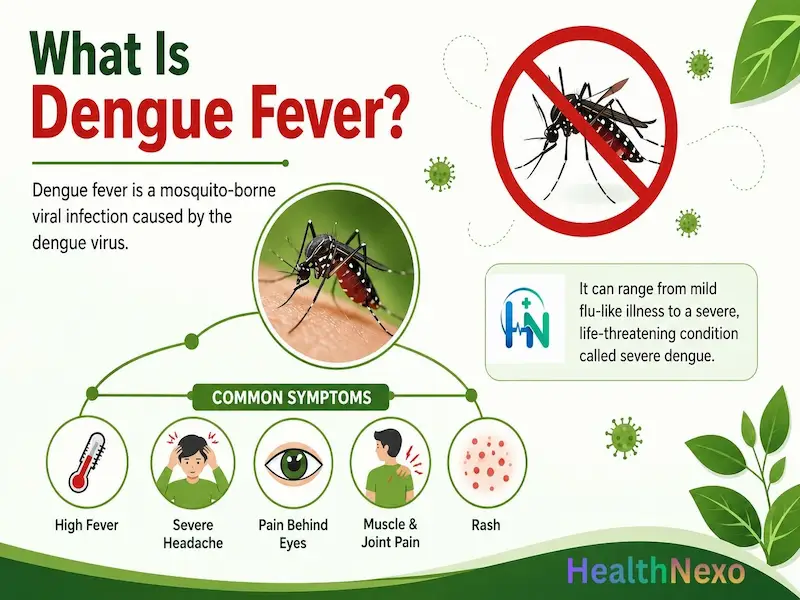
Dengue fever is a disease caused by a virus that is transmitted through the bite of infected mosquitoes such as Aedes aegypti and Aedes albopictus, which are known to bite during the day. The disease is common in tropical and subtropical regions like Asia, Africa, Latin America, and the Pacific Islands.
The symptoms normally appear within 4 to 10 days from the time of infection. Symptoms include high fever, headaches, body pain, nausea, weakness, and rash. Normally, most individuals will recover within several weeks, but in rare cases, one can get severe dengue.
How Does Dengue Infection Start?
The dengue virus is transmitted into the bloodstream via the bite of an infected Aedes mosquito. This causes the multiplication of the virus, and results in the development of symptoms through an immune response.
- Simple mechanism: Infected Mosquito Bite → Virus Enters the Bloodstream → Virus Replicates → Immune System Responds → Dengue Symptoms Develop.
Causes of Dengue Fever
Dengue fever results from infection with dengue viruses (DENV). It is transmitted primarily by Aedes mosquitoes carrying the virus. Major Contributing Factors Leading to Increased Dengue Infection Risk
- Mosquito bites: Primary mode of transmission of dengue fever.
- Breading grounds for mosquitoes: Mosquitoes breed in stagnant water found in buckets, tires, flower vases, etc.
- Areas where there is increased risk of dengue: Areas of the tropics and subtropics.
- Minimal protection from mosquitoes: Lack of repellents, insecticide-treated clothing, mosquito nets, or screens.
Can Dengue Spread Directly Between People?
Dengue does not normally spread through coughing, sneezing, hugging, or sharing food. Dengue is primarily spread when a person is bitten by a mosquito carrying the virus.
Symptoms of Dengue Fever
The symptoms of dengue fever usually develop a few days after infection and may be:
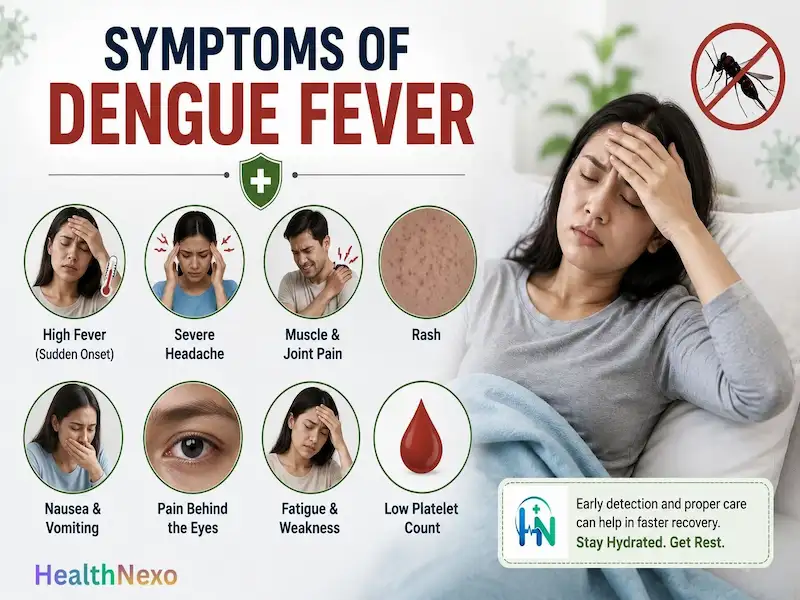
- High fever
- Intense headache
- Eye pain
- Muscle pains
- Weakness and fatigue
- Nausea and vomiting
- Loss of appetite
- Skin rashes
- Bleeding from small sites, like nose bleeds and gum bleeding
Signs of Severe Dengue Fever
It is necessary to report to a doctor immediately if one experiences:
- Severe stomach pain
- Constant vomiting
- Bleeding
- Difficulty breathing
- Weakness or irritability
- Blood in vomit and stool
- Minimal or no urine output
- Loss of consciousness
Note: Dengue signs may occur when the fever starts to decrease. Therefore, feeling better does not necessarily indicate that the risk has decreased.
Diagnosis of Dengue Fever
Dengue fever can be diagnosed by evaluating your symptoms, medical history, mosquito bite history, and through the outcomes of your physical examination. In some cases, your physician will recommend a blood test to confirm the disease.
Common Dengue Diagnostic Tests
- NS1 Antigen Test: Useful for diagnosing dengue virus infection in early stages of infection, especially in the early days.
- RT-PCR: Helps to identify the presence of dengue virus RNA and is useful for diagnosing dengue virus infection in early stages.
- IgM Antibody Test: The appearance of IgM occurs several days after the appearance of symptoms and is useful for diagnosing recent infection.
- IgG Antibody Test: Helpful in the diagnosis of past infection and interpretation of late stages of infection.
Complete Blood Count (CBC)
CBC can assist healthcare providers in monitoring:
- Platelet count
- White blood cells (WBCs)
- Hematocrit
These blood tests may be repeated during recovery to keep track of your progress.
Note: If you have a fever following being bitten by a mosquito, don’t just depend on the symptoms. It is always wise to consult your healthcare provider and get tested.
How Does Dengue Affect the Body?
Once the virus is transmitted from the infected mosquito to the individual, the immune system will react to this infection. Symptoms such as fever, inflammation, muscle and joint pains, headache, and fatigue may be observed. In some cases, dengue may also affect blood vessels, leading to plasma leakage. These may include dehydration, low blood pressure, and bleeding, among others.
Possible Effects of Dengue:
- Dehydration
- Low blood pressure
- Bleeding
- Plasma leakage
- Severe dengue and shock for very serious cases
Important Note: Low platelets do not mean that dengue is severe. Doctors also look at other factors such as symptoms, vital signs, fluid balance, hematocrit levels, bleeding and other clinical features while determining the severity of dengue.
How Long Does Dengue Recovery Take?
The majority of dengue sufferers will get well within 1–2 weeks, even though recovery time differs from one individual to another. There are instances where weakness and fatigue have continued after the onset of fever.
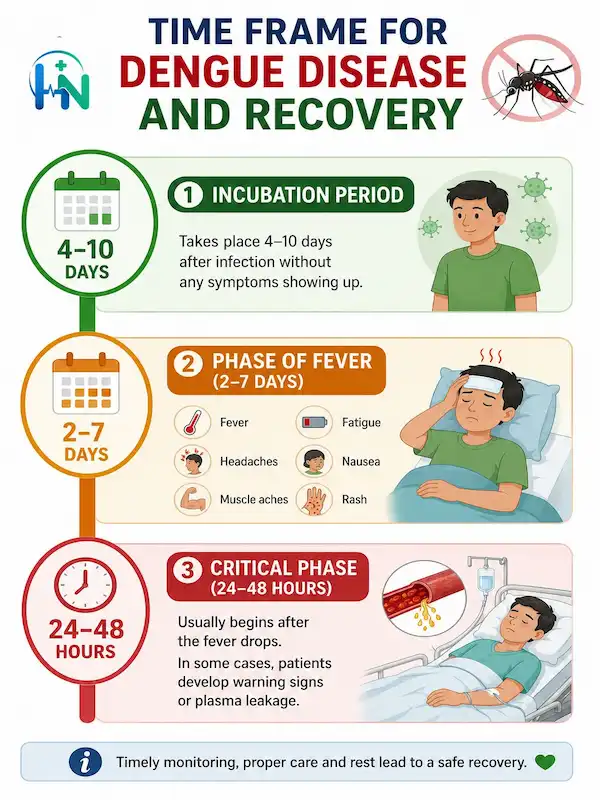
Time Frame for Dengue Disease and Recovery
- Incubation Period: Takes place 4–10 days after infection without any symptoms showing up.
- Phase of Fever (2–7 days): The sufferer develops fever, headaches, muscle aches, fatigue, nausea, and rash.
- Critical Phase (24–48 hours): Usually begins after the fever drops. In some cases, patients develop warning signs or plasma leakage.
10 Essential Dengue Recovery Tips for Faster Healing
Dengue Recovery Tips for Faster Healing focus on supportive care, as there is no specific antiviral treatment for dengue. The World Health Organization reports that patients usually recover from dengue in 1–2 weeks’ time, although fatigue may persist for several weeks. Proper fluid intake, resting, managing fever, and looking out for warning signs are all part of the recovery process.
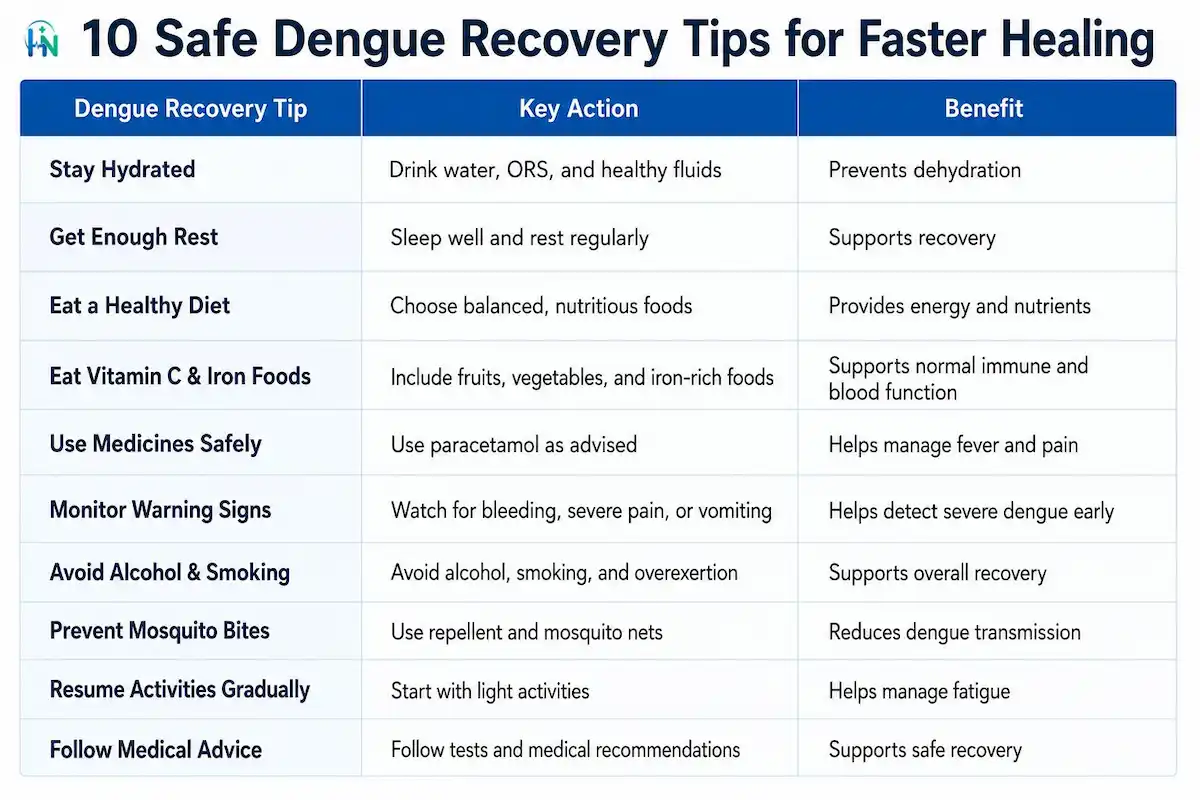
Summary Table of Dengue Recovery Tips for Faster Healing:
1. Stay Well Hydrated: A Key Step in Dengue Recovery
Appropriate fluid intake is one of the most essential components of dengue care. Fever, vomiting, sweating, and lack of intake of food can lead to dehydration. WHO guidelines state that adequate oral fluid should be consumed by patients who are able to drink and appropriate management of fluids in case of dehydration and plasma leakage.
Fluids Suitable for Consumption:
- Water
- Oral rehydration solution (ORS)
- Clear soups and broths
- Coconut water
- Others
In case of nausea, it is better to drink small portions of fluids frequently, as opposed to having to drink a large amount of fluids at once.
Evidenced-based tip: ORS can be particularly helpful in the case of loss of fluids and electrolytes as ORS contains both water and electrolytes.
2. Get Enough Rest and Sleep During Dengue Recovery
There may be severe tiredness and weakness even when the fever improves. WHO says that tiredness may persist for several weeks after recovering from the disease. It is always wise to get a rest since it enables your body to save energy during recovery.
How to do it:
- Have enough sleep at night.
- If necessary, take short naps.
- Avoid any intensive physical exercises while you are weak.
- Slowly resume your activities.
Importance: It is possible to make the condition worse by resuming physical activities too soon.
3. Follow a Healthy Dengue Recovery Diet
There is no particular food that will help treat dengue fever. But a good balance in your diet will help meet the requirements of energy, protein, vitamins, and minerals necessary during the course of treatment.
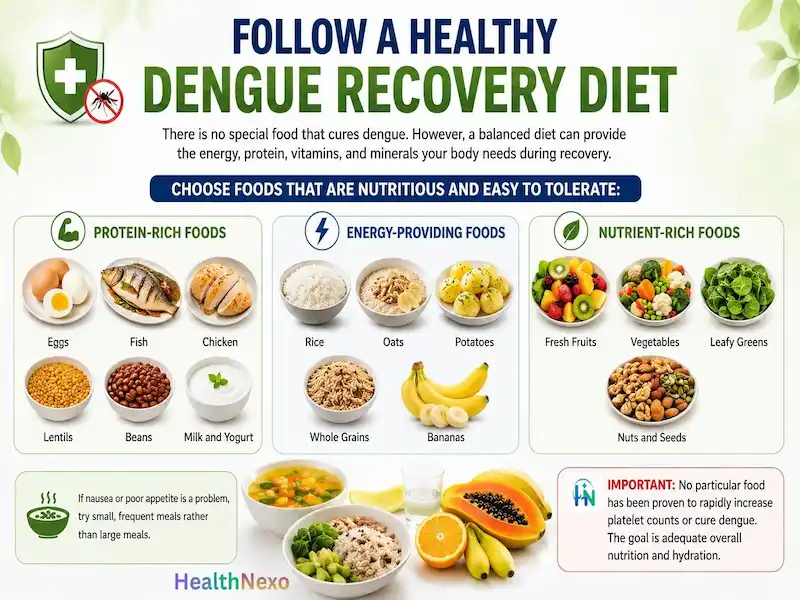
The following foods are nutritious and easy to digest:
- Foods rich in proteins
- Eggs
- Fish
- Chicken
- Legumes
- Meat
- Milk and curd
Foods rich in energy content:
- Rice
- Oats
- Potatoes
- Whole grains
- Bananas
Foods rich in nutrients:
- Fresh fruits
- Vegetables
- Leafy vegetables
- Nuts and seeds
In case of vomiting and lack of appetite, opt for small and frequent meals.
Note: There is no particular food known to boost platelet counts or cure dengue fast.
4. Include vitamin C and Iron-Rich Foods
Having a diversified diet with sources of vitamin C and iron will assist in fulfilling basic nutritional requirements for recovery. Vitamin C is required for proper immunity and helps to boost the absorption of non-heme iron found in plants. Iron is important in the formation of hemoglobin and red blood cells.
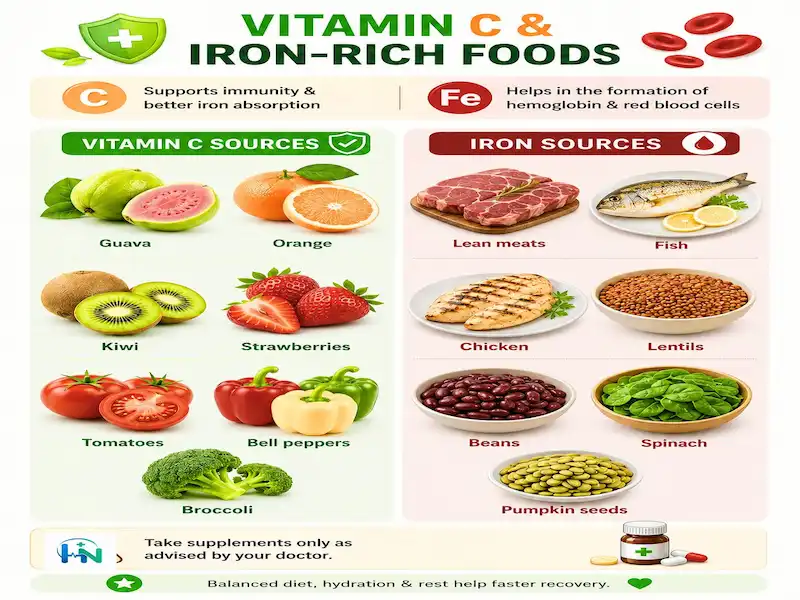
Sources of vitamin C:
- Guava
- Orange
- Kiwi
- Strawberries
- Tomatoes
- Bell peppers
- Broccoli
Sources of Iron:
- Lean meats
- Fish
- Chicken
- Lentils
- Beans
- Spinach
- Pumpkin seeds
Note: Do not consider the need for iron supplements and megadoses of vitamin supplements after dengue fever. Take supplements as advised by your health care provider.
5. Use Fever Medicines Safely
There is currently no antiviral drug available for curing dengue. Treatment depends upon supportive therapy, which includes intake of fluids, rest, pain relief, and complication monitoring. Paracetamol can be taken for fever or pain following the advice of the doctor.
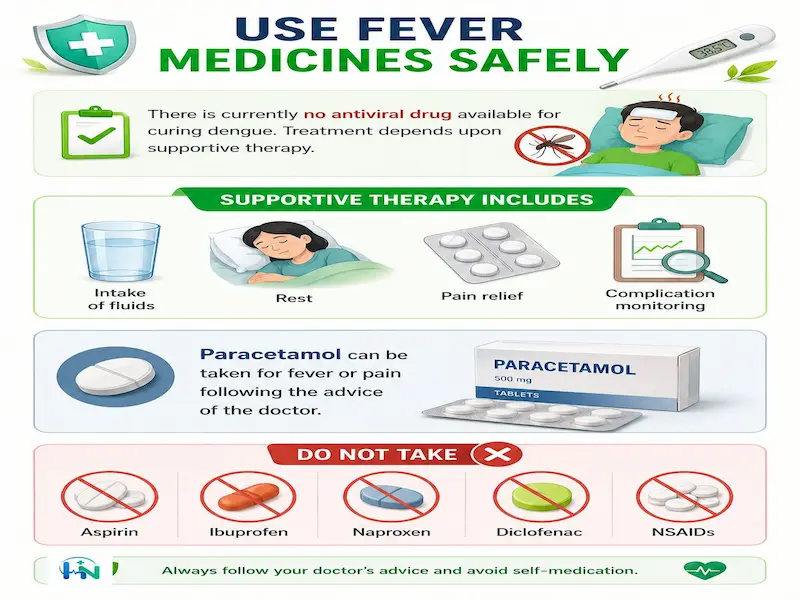
- Aspirin
- Ibuprofen
- Naproxen
- Diclofenac
- NSAIDs
The WHO warns against taking aspirin and ibuprofen since these drugs may cause bleeding.
Important: Do not take more than one medication that contains paracetamol or acetaminophen and follow the dosage mentioned on the label.
6. Monitor for Warning Signs
An important among Dengue Recovery Tips for Faster Recovery is recognizing when self-care at home is no longer sufficient. The critical period typically happens when the body starts losing fever, normally around days 3 to 7 of the illness. Clinically significant plasma leakage occurs during a period of about 24 to 48 hours.
Go To The Emergency Room When:
- Severe stomach pain
- Vomiting continuously
- Bleeding from the gums or nose
- Blood in vomit and stool
- Difficulty or quick breathing
- Uncontrollable weakness or restlessness
- Skin becoming pale or cold
- Little to no urine production
- Dehydration
Significantly: When fever falls, it doesn’t always signify recovery has started. Signs of danger may be seen as the temperature drops.
7. Avoid Alcohol, Smoking, and Overexertion
Recovery from dengue requires hydration, nutrition, proper rest, and the necessary medical care.
During Recovery:
- No alcohol consumption.
- No smoking and vaping.
- Proper hydration.
- No heavy exercises.
- Return to physical activities progressively.
Consumption of alcohol will increase the challenge of proper hydration of the body. Smoking also eliminates contact with any substance that is not good for general respiratory and cardiac health.
Tips: Feeling well once the fever subsides does not always indicate that the critical phase has ended.
8. Protect Yourself From Mosquito Bites
This is an important aspect of dengue treatment that is usually ignored. A dengue-infected individual can infect the mosquito that bites him or her during the infectious phase. The mosquitoes can, in turn, infect others with dengue fever. According to WHO guidelines, the exposure to mosquitoes should be minimized while sick.
Protect Yourself From:
- Slept under mosquito netting when necessary.
- Using mosquito repellent.
- Wearing long-sleeved clothes.
- Having windows and doors screened.
- Removing any standing water nearby.
This serves to protect both the patient and the community from the infection being spread by the mosquitoes.
9. Return to Normal Activities Gradually
Fatigue is likely to last for weeks even after the fever subsides. The WHO has observed that prolonged fatigue may be experienced even after recovering from dengue.
Begin with:
- Light domestic chores
- Walking when you feel well enough
- Rest breaks on a regular basis
- Gradual increase in activity levels
- No vigorous exercise until your strength has recovered.
Suggestion: Your energy level should be the determining factor in how much you do.
10. Follow Medical Advice and Follow-Up Care
Recovery from dengue infection does not depend on platelet count alone. Doctors evaluate the condition of the patient through their symptoms, fluid balance, vital signs, hematocrit level, platelet trend, bleeding, and many more clinical findings. The WHO stresses early clinical evaluation, fluid management, and severe disease recognition.
Follow your doctor’s recommendation about:
- Tests
- Hydration
- Medications
- Activity
- Warning signs
- Appointments
Note: It is not a reason for withholding medical attention that the platelet count is increasing, or the fever is going down.
Foods to Avoid During Dengue Recovery
There is no strong scientific evidence that people with dengue need to completely avoid specific foods. Some of the foods and drinks can cause further nausea, abdominal pain, and dehydration.
Avoid:
- Very greasy foods
- Processed snacks
- Foods with too much sugar
- Alcohol
- Too much caffeine
- Foods that are very spicy if they cause nausea and stomach ache
Instead, eat more liquids, nutritious foods, fruits, vegetables, and easily digestible foods.
How to Prevent Dengue in the Future
This is because there are four different types of dengue viruses and once an individual has been infected by one type of the virus, he or she cannot be immune to the other types.
Tips on How to Prevent Dengue:
- Use insect repellents.
- Use protective clothes such as long sleeves.
- Get rid of any stagnant water.
- Ensure that water containers are emptied and cleaned on a regular basis.
- Install screens on windows and doors.
- Use mosquito nets when appropriate.
- Keep your surroundings free of standing water to reduce mosquito breeding
Can You Recover From Dengue at Home?
Most people with mild cases of dengue can safely convalesce at home with proper medical advice, fluid intake, proper rest, diet, and monitoring of symptoms.
Home treatment would be acceptable if:
- Sufficient fluid intake is possible.
- Urination is normal.
- Symptoms are stable or improving.
- No warning signs are present.
- Proper medical follow-up is feasible.
However, dengue tends to deteriorate quickly at the critical stage. Do not solely depend on home treatment in case warning signs appear.
When Should You Go to the Hospital?
Go for emergency help if you suffer from:
- Severe pain in your stomach
- Vomiting that is constant
- Breathing problems
- A great amount of blood loss
- Bleeding from vomit or feces
- Fainting spells or disorientation
- Weakness to an extreme extent
- Extremities feel cold and clammy
- Adequate urine output is not there
- Prompt medical attention can reduce the risk of serious complications.
Bottom Line
Dengue Recovery Tips for Faster Healing can help support your body while it recovers from dengue fever. Remaining hydrated, eating a nutritious diet, getting plenty of rest, and not taking medications that would lead to an increased risk of bleeding could help in having a safe recovery. Continue monitoring any symptoms you have, and take the guidance of your health care practitioner.
Frequently Asked Questions (FAQs)
Q1. Can Adults Recover From Dengue at Home?
Yes. Many adults with mild dengue can recover at home with adequate hydration, rest, nutritious food, and symptom monitoring. Get medical attention promptly if you notice any warning signs.
Q2. What Foods Are Good During Dengue Recovery?
Choose nutritious, easy-to-digest foods such as eggs, fish, chicken, lentils, rice, fruits, vegetables, and yogurt. Maintain adequate fluid intake as well.
Q3. Is Coconut Water Good for Dengue Recovery?
Yes. Coconut water can contribute to fluid and electrolyte intake. However, ORS may be more appropriate when significant dehydration or fluid loss occurs.
Q4. When Do Platelets Increase After Dengue?
Platelet counts often begin to improve during the recovery phase after the critical period, but the timing varies between individuals.
Q5. Can Dengue Happen Twice?
Yes. Dengue can occur more than once because there are four dengue virus serotypes. Infection with one type does not provide complete protection against the others.
Q6. When Can I Return to Normal Activities After Dengue?
Return gradually after the fever has resolved and your energy improves. Avoid strenuous exercise until you feel adequately recovered.
References
- World Health Organization (WHO). Dengue and severe dengue. WHO — Dengue and severe dengue
- Pan-American Health Organization (PAHO/WHO). Guidelines for the Clinical Diagnosis and Treatment of Dengue, Chikungunya, and Zika. PAHO/WHO — Clinical Guidelines
- PAHO/WHO. Algorithms for the Clinical Management of Dengue Patients. PAHO/WHO — Dengue Clinical Management
⚕️ Medical Disclaimer
The information provided in this article is for educational and informational purposes only. It is not intended to be a substitute for professional medical advice, diagnosis, or treatment. Always consult a qualified healthcare professional before making any medical decisions, starting any treatment, or changing your current healthcare plan.
Tags:

Md. Rakibul Hasan, BSc (Hons), MS (Thesis)
Biochemistry & Molecular Biology, University of Chittagong, Bangladesh
Senior Biochemist | Health Content Writer | Evidence-Informed Health Information Creator
Popular Diagnostic Centre Limited, Bangladesh.
He specializes in clinical biochemistry, laboratory diagnostics, and medical testing. Alongside his professional work, he is actively involved in health education and scientific communication.
As a Health Content Writer and Research-Based Health Information Creator, he simplifies complex medical and biochemical topics into clear, evidence-informed, and reader-friendly health information.




1 thought on “Dengue Recovery Tips for Faster Healing: 10 Safe Strategies, Diet & Home Care Guide”