
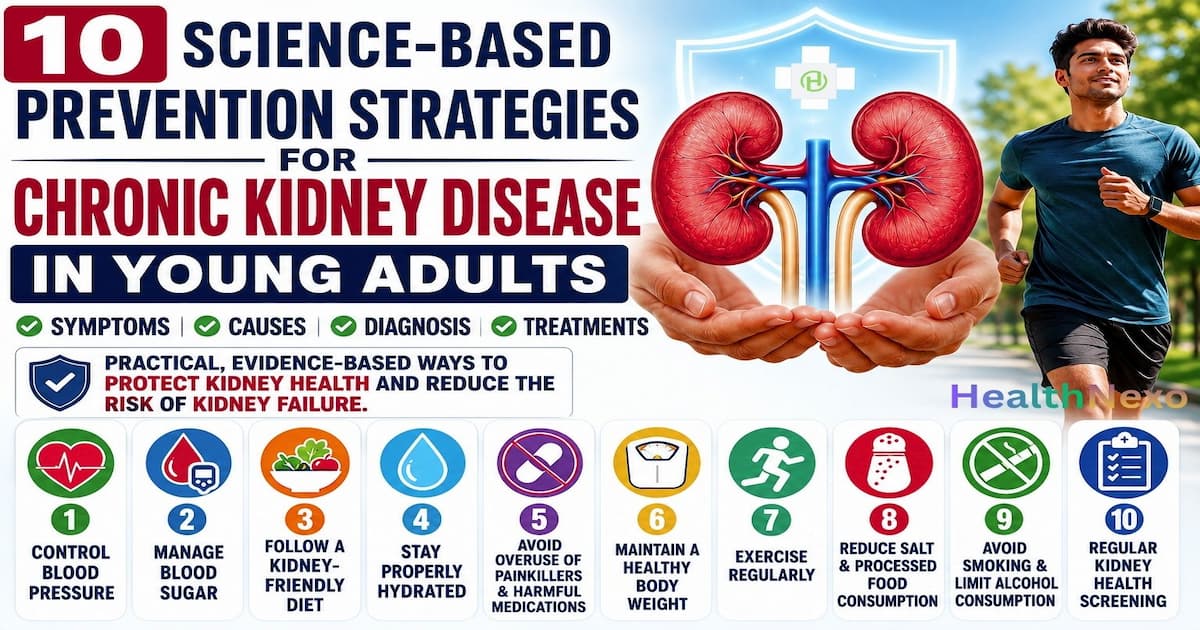
Chronic kidney disease (CKD) is often called a “silent disease” because it develops slowly without showing any clear symptoms in the early stages. Many people only notice when significant kidney damage has already occurred. Prevention strategies for chronic kidney disease in young adults are therefore very important. CKD is less common in young adults, but risk factors are increasing.
The risk is increasing due to rising cases of high blood pressure, diabetes, obesity, smoking and poor lifestyle habits. This occurs when the kidneys lose their ability to filter waste and excess fluids from the blood. The good thing is that these conditions could have been prevented, or their occurrence postponed by making healthy lifestyle decisions.
This guide explores 10 scientifically proven strategies to help prevent chronic kidney disease in young adults.
Understanding chronic kidney disease
Chronic kidney disease is a progressive disorder that is marked by slow damage to the kidneys for months and years. Our kidneys play a crucial role in regulating the activities of our body. The kidneys help regulate fluid balance, blood pressure, and waste removal. In a failure to regulate all activities, there will be buildup of water and metabolic waste in the body.
CKD is defined as kidney damage or reduced kidney function lasting for 3 months or longer. CKD stage is determined by the level of renal dysfunction.
The stages of chronic kidney disease
CKD is divided into 5 stages according to kidney function (eGFR level):
Stage 1 (Normal / Mild damage): eGFR ≥ 90
- Kidneys work nearly as well as usual and there may be early evidence of damage.
Stage 2 (mild CKD): eGFR 60-89
- There is mild reduction of kidney function with mild damage to the kidneys.
Stage 3 (moderate CKD): eGFR 30-59
- There is a significant reduction of kidney function, where symptoms begin to appear.
Stage 4 (Severe CKD): eGFR 15-29
- Severe reduction in kidney function and possibility of kidney failure.
Stage 5 (Kidney Failure/ESRD): eGFR < 15
- Kidney function is severely impaired and dialysis or a kidney transplant may be required.
Major causes of chronic kidney disease
There are a number of diseases and lifestyle factors which can progressively damage the kidneys:
- Diabetes Mellitus: Diabetes can damage the blood vessels in the kidney over a long time due to high levels of blood sugar.
- High Blood Pressure: untreated hypertension can lead to gradual kidney function reduction over years.
- Glomerulonephritis: this involves inflammation of kidney filters leading to damage over the long term.
- Polycystic Kidney Disease: Polycystic Kidney Disease (PKD) is an inherited disorder in which fluid-filled cysts develop in the kidneys, gradually reducing kidney function over time.
- Obesity: can increase the likelihood of developing kidney disease.
- Smoking: Smoking contributes to kidney damage by damaging blood vessels, reducing blood flow, and increasing oxidative stress, which may accelerate kidney disease progression.
- NSAIDs: NSAIDs can increase the risk of kidney damage, especially with long-term use, high doses, dehydration, or in people with existing kidney disease.
Common symptoms of chronic kidney disease
Early Symptoms of Chronic Kidney Disease You Should Not Ignore
Initial Symptoms:
- Fatigue, tiredness, and weakness
- Problems with concentration
- Diminished appetite
- Slight swelling in feet or ankles
Advance Symptoms:
- Marked swelling of legs, ankles and/or face
- Nausea and vomiting due to irritation of the gastric lining
- Very intense itching
- Muscle cramps
- Shortness of breath
- Changes in urination frequency
- Foamy urine
- High blood pressure
- Sleep disturbances
Chronic kidney disease tests & diagnosis
There are various tests that can be used by healthcare practitioners to diagnose CkD. They include blood tests, urine tests, and even imaging tests like x-rays and ultrasounds. In some cases, it may also be necessary for the patient to go through a kidney biopsy.
1. Blood tests
Serum Creatinine: This blood test measures a waste product that is filtered from the body by the kidneys.
Normal range:
- Men: 0.7-1.3 mg/dL
- Women: 0.6-1.1 mg/dL
High range: suggests poor kidney function
Estimated Glomerular Filtration Rate (eGFR): This test assesses how well the kidneys filter the blood.
- Normal: ≥90 mL/min/1.73 m²
- 60-89: slightly reduced kidney function
- < 60 for 3+ months: Chronic Kidney disease is present
- < 15: kidney failure is present
2. Urine tests
Urine Albumin-to-Creatinine Ratio (ACR): This urine test checks for the existence of protein in urine. This test is often one of the first signs that kidney function may already be affected or damaged.
- Normal: <30 mg/g
- 30-300 mg/g: Moderately increased
- >300 mg/g: Severely increased
Urinalysis: This test examines urine for protein, blood, infection and other abnormalities.
- Normal: No protein, blood or signs of infection are present in urine.
3. Imaging studies
Kidney Ultrasound: Kidney ultrasound is a test that checks the size and shape of the kidneys. It also shows if there are any cysts or blockages in the kidneys.
- Kidney size in adults is typically: 9–12 cm (normal range depending on body size and sex)
CT scan or MRI scan: CT or MRI scan gives an in-depth picture of the kidneys. It helps find kidney stones, tumors, or any blockage or problem in the urinary system.
4. Kidney Biopsy
Kidney biopsy is another useful diagnostic test that is conducted among those suffering from CKD. It involves taking a small sample of the kidney tissue and examining it under a microscope.
Prevention Strategies for Chronic Kidney Disease
Research shows that several lifestyle changes and medical intervention can significantly reduce the risk of chronic kidney disease. This is due to the fact that the techniques have a scientific basis and can thus be used effectively. There are several ways to reduce the risk of CKD in young adults.
1. Manage Blood Pressure to Protect Your Kidney Function
High blood pressure can sometimes be a sign of an underlying kidney problem because high blood pressure is both a cause and a complication of kidney disease. If it is not controlled, it can damage the small blood vessels in the kidneys. As a result, kidney reduces the ability to filter waste properly. That is why keeping blood pressure within a healthy range is one of the most important prevention strategies for chronic kidney diseases in young adults.
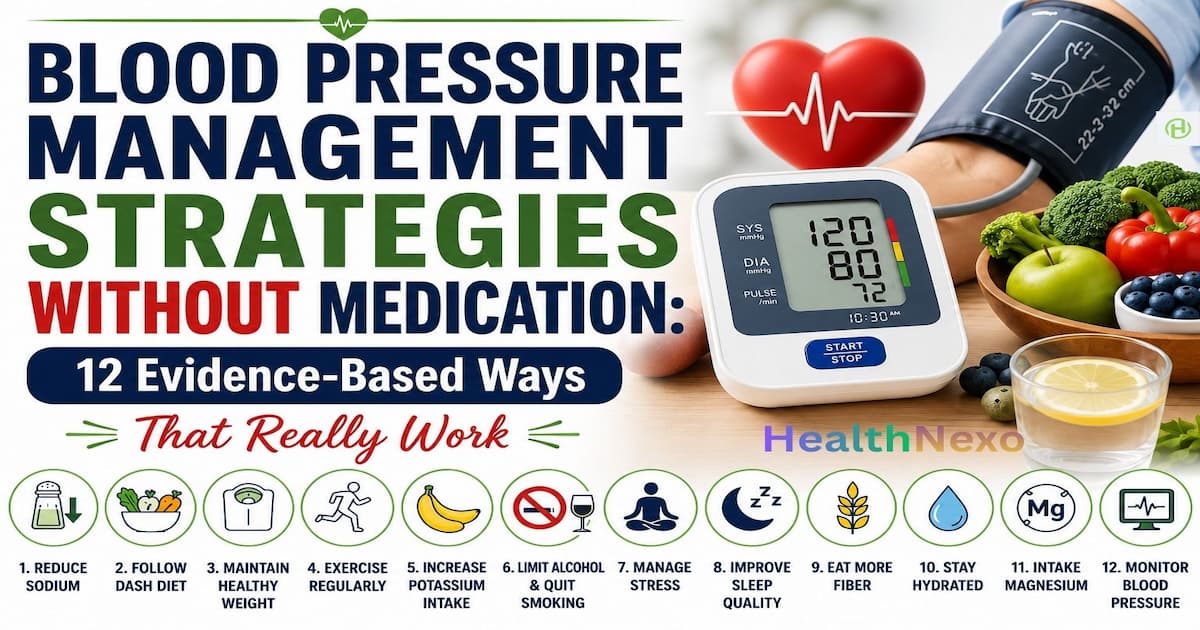
Blood Pressure Management Strategies:
- Maintain a healthy blood pressure level (typically below 130/80 mmHg, but it depends on individual cases).
- Reduce the daily intake of sodium.
- Eat fruits and veggies and make sure there’s plenty and variety.
Follow medical instructions regarding taking all prescribed medicines if you suffer from hypertension.
2. Manage Blood Sugar Levels to Prevent Kidney Damage
The rise in kidney failure worldwide has been significantly fueled by diabetes too. A raised blood sugar level over a period of time can damage the small blood vessels in the kidney, thus reducing its efficiency to filter blood. This has been successfully controlled to a great extent in Type 2 Diabetes.
Recommended lifestyle changes:
- Check blood glucose level regularly
- The need to adhere to a proper diabetic diet plan
- Elimination of sugary drinks and refined carbohydrates
Strict compliance with the appropriate medications
3. Follow a Kidney-Friendly Diet
Kidney health depends heavily on your diet. What you eat is closely tied to how fast blood circulates, as well as blood sugar levels and inflammation. A kidney-friendly diet helps filter and relieve pressure from the kidneys.
Kidney-friendly diet recommendations:
- Limit salt
- Eating whole food and fresh foods
- Moderate protein intake (not excessive) depending on individual health condition.
- Fruits and vegetables rich in fiber
- Whole grains are more advantageous than refined grains.
The Mediterranean diet and the DASH diet are known to be very healthy for the heart.
4. Stay Properly Hydrated
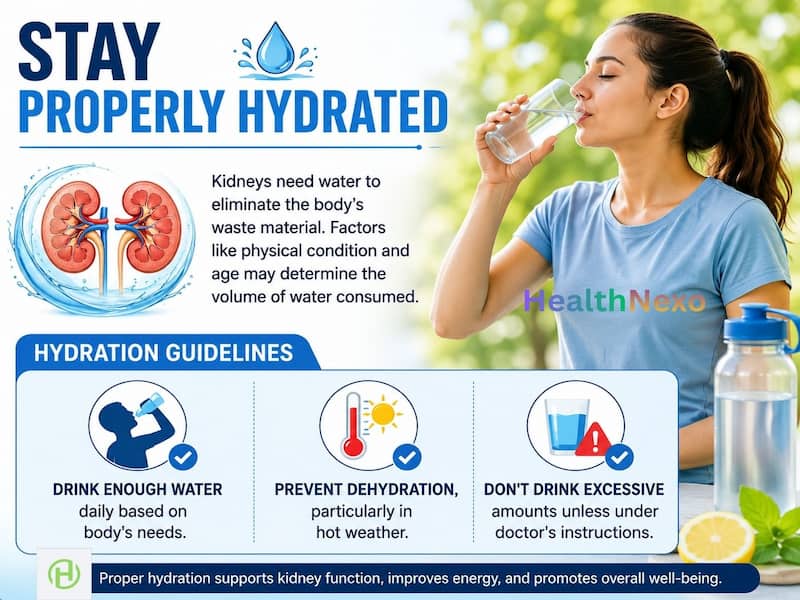
Kidneys need water to eliminate the body’s waste material. Factors like physical condition and age may determine the volume of water consumed.
Hydration guidelines:
- Hydration should be balanced—both dehydration and excessive water intake can be harmful in certain kidney conditions.
- Prevent dehydration, particularly in hot weather
- Don’t drink excessive amounts unless under doctor’s instructions.
5. Avoid Overuse of Painkillers and Harmful Medications
Long-term use of some common medicines may affect kidney function over time. Painkillers such as NSAIDs (non-steroidal anti-inflammatory drugs) are especially linked to this risk. These include commonly used drugs like ibuprofen and diclofenac, which should be used carefully and only when necessary.
Safety guidelines:
- Do not resort to self-medication
- Use painkillers only when necessary
- Consult a doctor for chronic pain management
6. Maintain a Healthy Body Weight
Overweight people have a higher risk of conditions like high blood pressure, type 2 diabetes, and metabolic syndrome. As a result, their overall risk of kidney disease may be higher even if they do not appear very overweight.
Weight health strategies:
- Eat healthily
- Avoid high calories
- Keep active
- Track weight regularly
7. Workout Regularly to Keep Your Kidneys Safe
Exercise will help improve your blood circulation, decrease blood pressure, and increase insulin sensitivity in your body. As a result, exercise will lessen your chances of kidney disease.

Requirements for exercise:
- 150 minutes of workout in one week
- Fast walking, cycling, swimming, and others
- Strength exercises should be included.
8. Reduce Salt and Processed Food Consumption
Excess salt intake can raise blood pressure and place extra strain on the kidneys. Hidden salt mainly occurs in ready-to-eat foods.
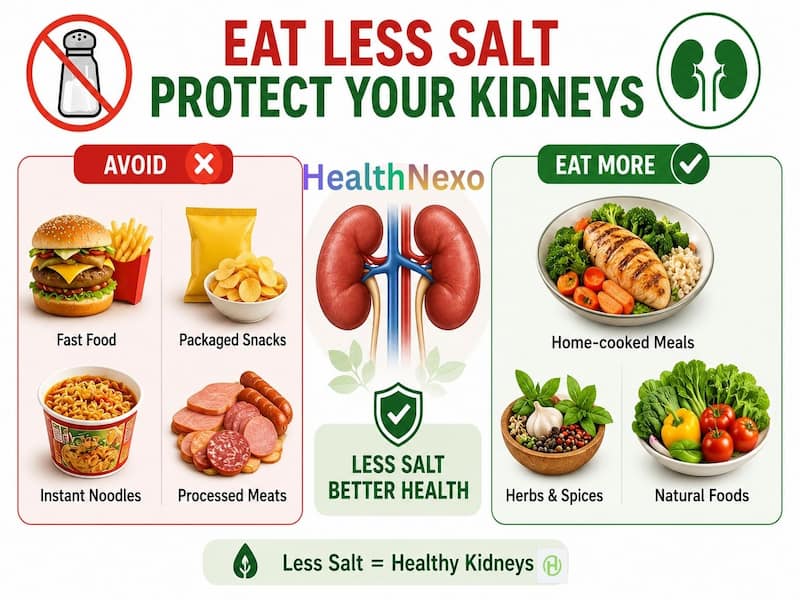
Avoid these:
- Fast food
- Packaged snacks
- Noodles (instant)
- Process food (meats)
Eat more of these instead:
- Home-cooked meals
- Natural herbs/spices to create flavors
- Natural food
9. Avoid Smoking and Limit Alcohol Consumption
Smoking damages blood vessels and reduces proper blood flow in the body. This can lower oxygen supply to organs and increase the risk of kidney failure. Excessive alcohol consumption can also harm the body by causing dehydration that may affect kidney function.
Positive Lifestyle Decisions:
- Stop smoking altogether
- Do not drink alcohol, or only very moderately, where it is safe to do so.
10. Regular Kidney Health Screening
Early detection is important due to the lack of symptoms in early stages of CKD. People often do not know that they have kidney diseases until they become severe. Early diagnosis and check-ups are the best prevention strategies for chronic kidney disease in young adults from future damage.
Important examinations include:
- Serum creatinine
- eGFR (glomerular filtration rate)
- Albumin/creatinine ratio in urine
Diabetics, hypertensive patients, and individuals with family history should have regular check-ups.
Medications That Help Slow Kidney Disease Progression
There is no definite drug treatment that can cure chronic kidney disease. But, certain drugs can aid in slowing down the progress of the condition and reduce any complications that may occur due to it. When used along with prevention strategies for chronic kidney disease in young adults, they will serve as a good protective method for the kidneys.
1. ACE inhibitors (First line Medicines for Kidney Safeguarding): These include blood pressure reduction, proteinuria, and chronic kidney disease development prevention.
- Examples: Lisinopril, Enalapril, Ramipril.
2. Angiotensin II receptor antagonists (ARBs): These assist in lowering the level of blood pressure, proteinuria, and safeguarding the kidneys.
- Examples: Losartan, Valsartan.
3. Sodium-glucose co-transporter 2 (SGLT2) inhibitors: These include kidney protection and delay in kidney failure development.
- Examples: Dapagliflozin, Empagliflozin.
4. Ineralocorticoid Receptor Antagonists (MRAs): MRAs may help reduce kidney inflammation and scarring in certain patients with CKD.
- Examples: Finerenone
5. Hypertension Drugs: Treatment for high blood pressure that causes kidney damage
- Examples: Amlodipine, Diuretics
6. Diabetes Drugs: Helps manage diabetes
- Examples: Metformin, Insulin, GLP-1 drugs
7. Statins: Protect heart and blood vessels
- Examples: Atorvastatin
Final Words
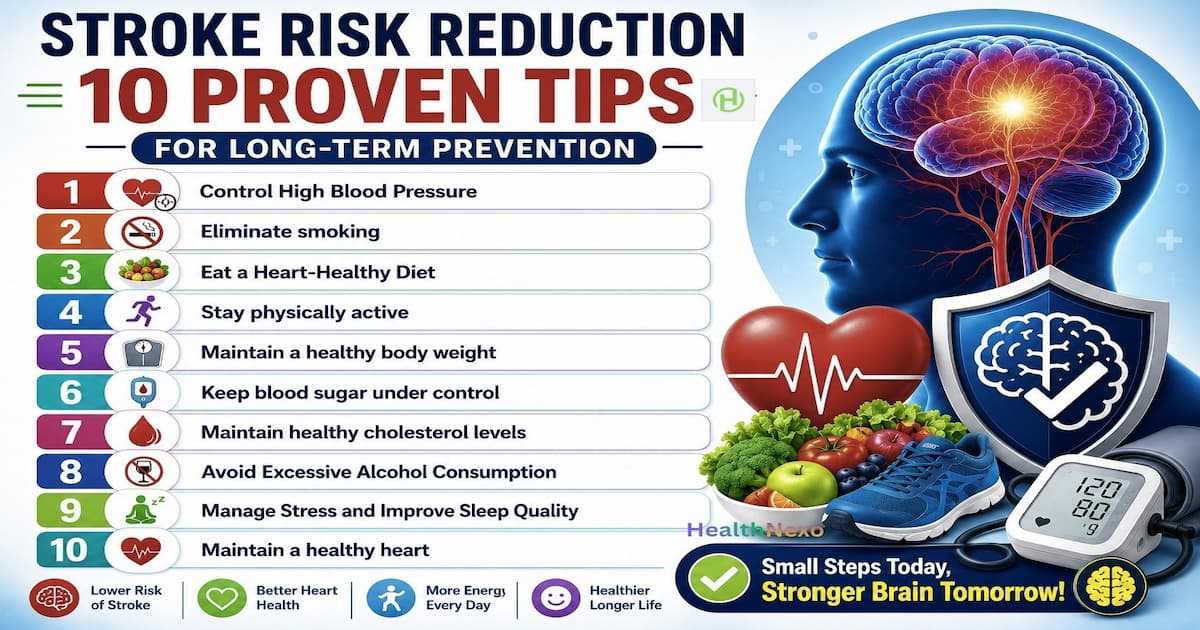
Chronic kidney disease is one of those medical conditions that can be prevented with proper measures and lifestyles. Prevention strategies for chronic kidney disease in young adults include regular health check-ups and keeping blood sugar and blood pressure under control. They also include maintaining a healthy diet, exercising regularly, and avoiding smoking.
With such measures, young people can save their kidneys from further damage and possible complications. Taking action to prevent kidney disease at a young age helps to serve your future health.
Frequently Asked Questions (FAQs)
Q1. Is there a way to prevent Chronic Kidney Disease?
Chronic kidney disease can be prevented by managing diabetes and high blood pressure, and living a healthy lifestyle. Avoid the use of medications that may negatively affect kidney function.
Q2. What are the major symptoms of chronic kidney disease?
Chronic kidney disease can cause signs such as persistent tiredness, mild swelling in the legs or ankles, decreased appetite, and changes in urination. In some cases, early stages may not show any clear symptoms at all.
Q3. What is the most effective test for an early diagnosis of kidney disease?
Diagnosis of early kidney diseases is done with the help of tests such as urine ACR, eGFR and serum creatinine. These are tests to check protein in the urine and the filtering ability of the kidney.
Q4. What food items are good for your kidney?
Food items that are good for your kidney include fruits, vegetables, grains, low-sodium food items, and meats.
Q5. What drug is bad for the kidney?
Painkillers have long been associated with the deterioration of your kidney health through their excessive intake. Examples include NSAIDs such as Ibuprofen, naproxen, and diclofenac.
Q6. Who is at high risk of CKD?
Certain individuals are more prone to develop chronic kidney disease, including people with diabetes, high blood pressure, obesity, smoking individuals, people over the age of 60, and people with a family history of kidney disease.
 Medical Disclaimer
 Medical Disclaimer
The information provided in this article is for educational and informational purposes only. It is not intended to be a substitute for professional medical advice, diagnosis, or treatment. Always consult a qualified healthcare professional before making any medical decisions, starting any treatment, or changing your current healthcare plan.

Md. Rakibul Hasan, BSc (Hons), MS (Thesis)
Biochemistry & Molecular Biology, University of Chittagong, Bangladesh
Senior Biochemist | Health Content Writer | Evidence-Informed Health Information Creator
Popular Diagnostic Centre Limited, Bangladesh.
He specializes in clinical biochemistry, laboratory diagnostics, and medical testing. Alongside his professional work, he is actively involved in health education and scientific communication.
As a Health Content Writer and Research-Based Health Information Creator, he simplifies complex medical and biochemical topics into clear, evidence-informed, and reader-friendly health information.

1 thought on “10 Clinically Effective Prevention Strategies for Chronic Kidney Disease in Young Adults”