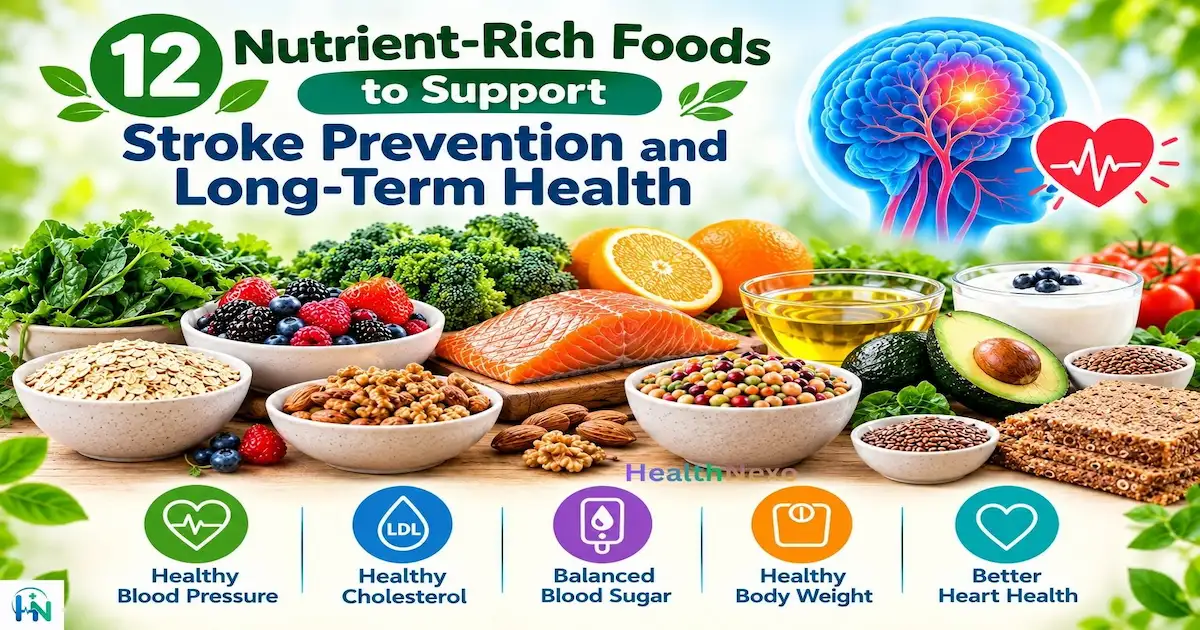
Stroke happens when blood flow to part of the brain is blocked or when a blood vessel in the brain bursts. Although no single food can prevent stroke, Nutrient-Rich Foods to Support Stroke Prevention can be part of a healthy diet that supports blood pressure, cholesterol, blood sugar, body weight, and heart health.
Current research focuses more on overall eating patterns than individual “superfoods.” The 2024 American Heart Association/American Stroke Association guideline supports a Mediterranean-style dietary pattern as part of efforts to reduce the risk of a first stroke.
This eating pattern emphasizes vegetables, fruits, whole grains, legumes, nuts, fish, and unsaturated fats while limiting excess sodium, processed meats, refined carbohydrates, and saturated fats.
Quick Summary
- Think dietary pattern, not a miracle food: No single food can prevent stroke
- Build meals around nutrient-rich foods: including vegetables, fruits, whole grains, legumes, nuts, fish, and unsaturated fats.
- Support key risk factors: A healthy diet can support blood pressure, cholesterol, blood sugar, and healthy body weight
- Choose healthier replacements: Replace processed meats, refined carbohydrates, excess sodium, and foods high in saturated fat with less processed options
- Make it consistent: Long-term eating habits matter more than occasionally eating a “healthy” food
How Nutrient-Rich Foods May Support Stroke Prevention
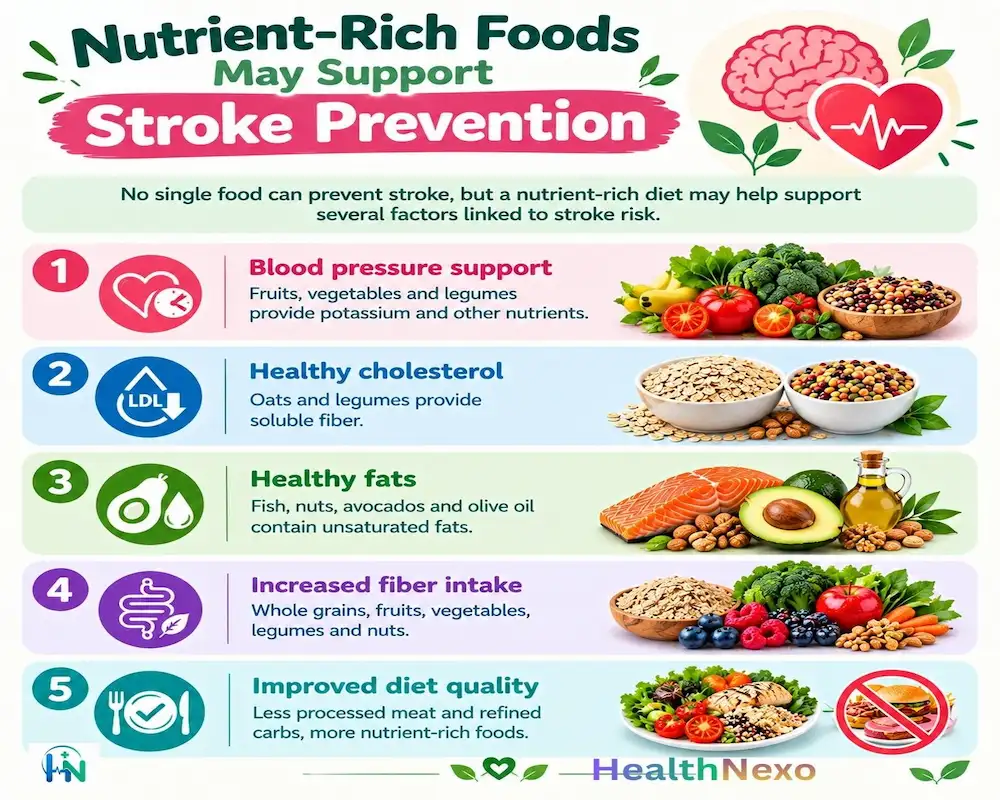
No single food can prevent stroke, but a nutrient-rich diet may help support several factors which are linked to stroke risk.
Some possible benefits include:
- Blood pressure support: Fruits, vegetables, and legumes provide potassium and other nutrients that may support cardiovascular health by helping lower blood pressure
- Healthy cholesterol: Oats and legumes provide soluble fiber that may help reduce low-density lipoprotein (LDL) cholesterol
- Healthy fats: Fish, nuts, avocados, and extra-virgin olive oil contain mainly unsaturated fats that may support cardiovascular health
- Increased fiber intake: Whole grains, fruits, vegetables, legumes, and nuts provide dietary fiber that may support metabolic and cardiovascular health
- Improved diet quality: Replacing processed meats, refined carbohydrates, and nutrient-rich foods high in saturated fat may improve overall diet quality.
An umbrella review found that higher fruit and vegetable intake was associated with a lower risk of stroke. However, much of the evidence is based on observational studies. An updated PREDIMED analysis also found fewer major cardiovascular events among people following a Mediterranean diet supplemented with extra-virgin olive oil or nuts. Stroke was included among the measured outcomes.
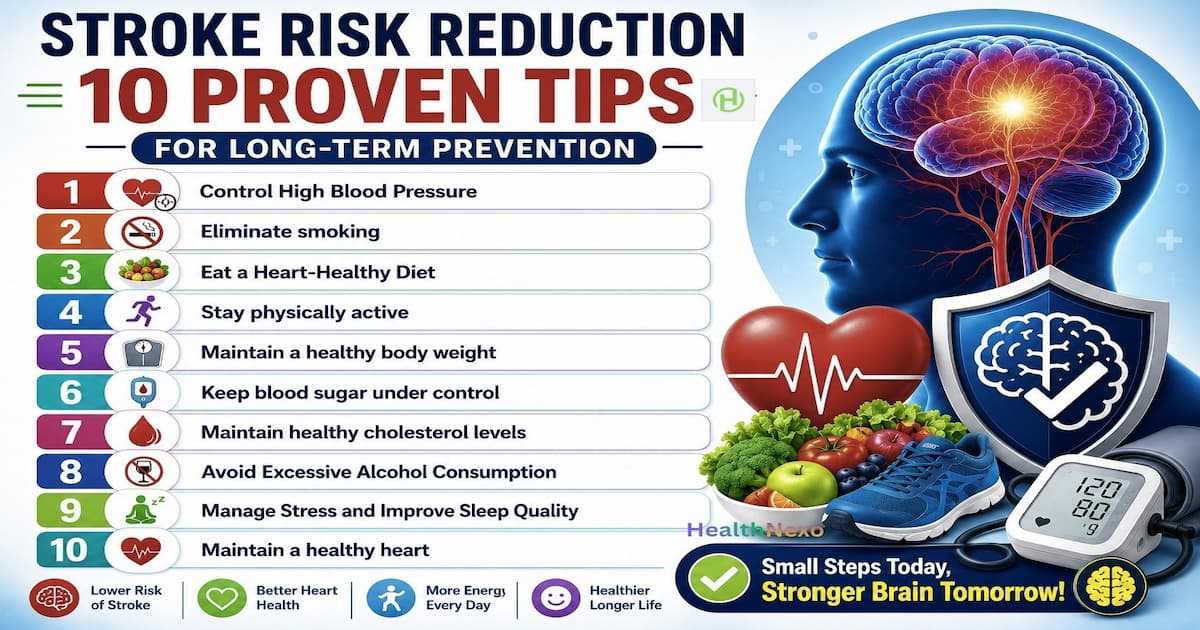
Diet is one part of stroke prevention, but other lifestyle and health measures also play an important role. Learn more about stroke risk reduction strategies for long-term prevention.
Key point: Focus on your overall diet rather than looking for one “stroke-preventing” food.
12 Nutrient-Rich Foods to Support Stroke Prevention
These foods can fit into a Mediterranean-style diet. They may support factors linked to heart and stroke risk. However, no single food has been proven to prevent stroke by itself.
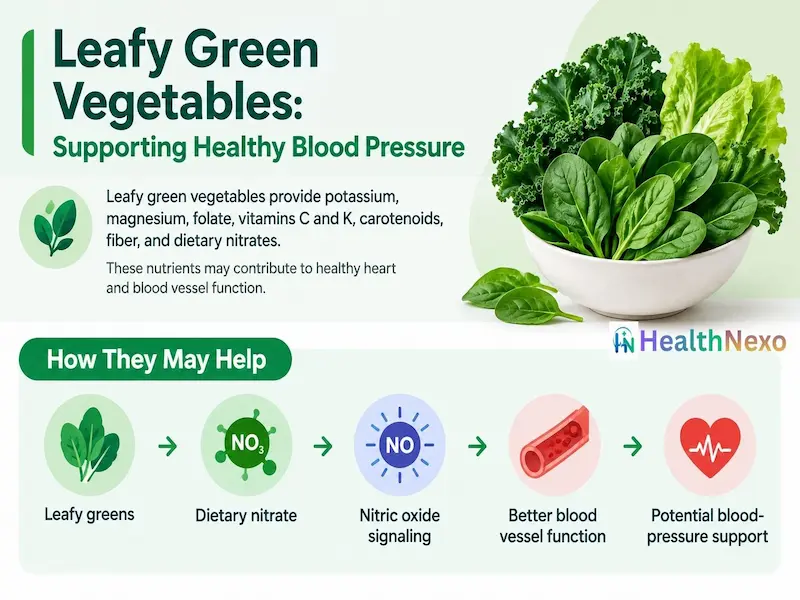
1. Leafy Green Vegetables: Supporting Healthy Blood Pressure
Leafy green vegetables provide potassium, magnesium, folate, vitamins C and K, carotenoids, fiber, and dietary nitrates. These nutrients may contribute to healthy heart and blood vessel function. Examples include spinach, kale, mustard greens, and collard greens.
How They May Help
- Leafy greens → dietary nitrate → nitric oxide signaling → better blood vessel function → potential blood-pressure support
An umbrella review found that higher vegetable intake was linked to an approximately 8% lower risk of stroke (RR 0.92). However, most of the studies were observational, so they cannot prove that vegetables prevent stroke. A randomized study included 231 adults with high blood pressure. After five weeks, eating more leafy green vegetables did not significantly lower 24-hour ambulatory systolic blood pressure compared with the control group.
2. Berries: Supporting Cardiovascular Health
Berries contain anthocyanins, polyphenols, vitamin C, fiber, and potassium. These nutrients and plant compounds may support heart and blood vessel health. Common berry choices include blueberries, strawberries, raspberries, and blackberries.
How They May Help
- Berries → anthocyanins + polyphenols → vascular and cellular signaling → potential cardiovascular support
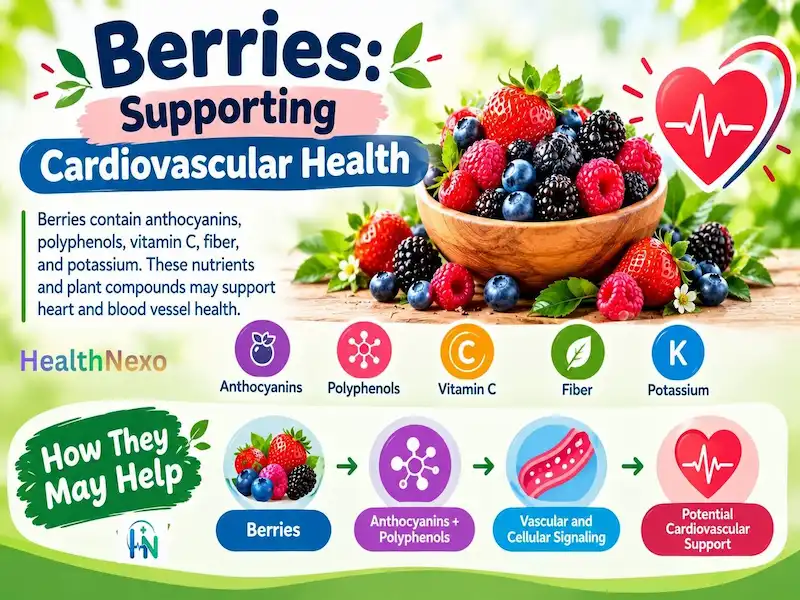
A meta-analysis of 22 randomized controlled trials involving 1,251 people found that berries may improve LDL cholesterol and systolic blood pressure. However, a 2026 meta-analysis of nine randomized controlled trials involving 547 adults found no significant effect on resting blood pressure. The available evidence was considered low to very low in certainty.
Berries can be part of a healthy diet, but they should not be considered a standalone way to prevent stroke.
3. Fatty Fish: Providing Heart-Healthy Omega-3s
Fatty fish provides omega-3 fatty acids, especially EPA and DHA. It also provides protein, vitamin D, and selenium. Fish can also replace foods that contain more saturated fat.
How They May Help
- Fatty fish → EPA/DHA → lipid and cardiovascular signaling → cardiovascular support
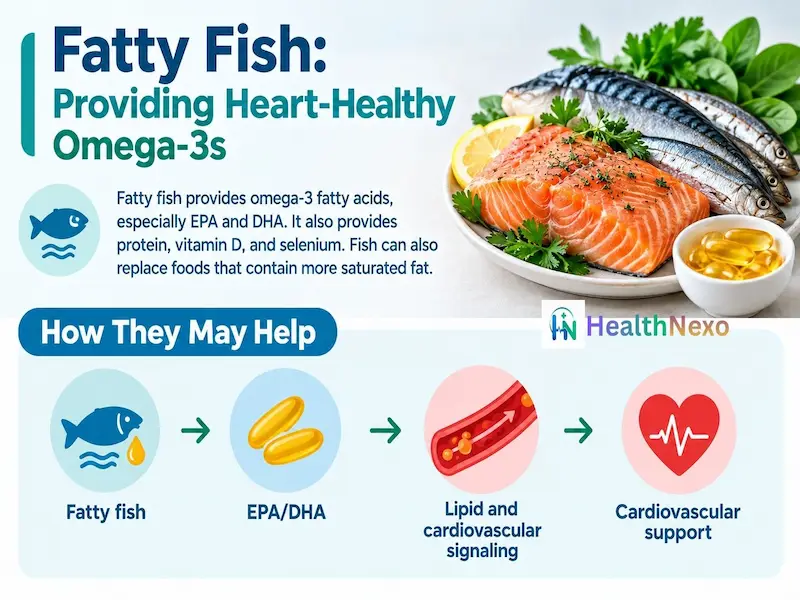
A meta-analysis of 33 prospective cohort studies found that higher fish intake was linked to about a 10% lower risk of stroke (HR 0.90, 95% CI 0.85–0.96).
However, these studies show an association. They do not prove that eating fish directly prevents stroke.
4. Oats: Supporting Healthy Cholesterol Levels
Oats are rich in beta-glucan, a type of soluble fiber. They also contain magnesium, iron, B vitamins, and other plant compounds. Beta-glucan may help lower LDL cholesterol by increasing the thickness of the intestinal contents and reducing bile acid reabsorption. Examples include rolled oats, steel-cut oats, and oatmeal.
How They May Help
- Oat beta-glucan → increased intestinal viscosity → less bile acid reabsorption → lower LDL cholesterol
A meta-analysis of 58 randomized controlled trials involving 3,974 people found that about 3.5 g/day of oat beta-glucan reduced LDL cholesterol by approximately 0.19 mmol/L.
The evidence for improving cholesterol is stronger than the evidence for directly preventing stroke.
5. Nuts: Supporting Heart and Vascular Health
Nuts provide unsaturated fats, plant protein, fiber, magnesium, potassium, vitamin E, and other useful nutrients. They can also improve the quality of dietary fat when they replace foods high in saturated fat. Examples include almonds, walnuts, pistachios, and peanuts.
How They May Help
- Nuts → unsaturated fats + fiber → better dietary fat quality → cardiovascular support
A dose-response meta-analysis of 14 prospective cohort studies found that higher nut intake was linked to about a 12% lower risk of stroke (RR 0.88, 95% CI 0.80–0.97).
However, these findings are observational. They do not prove that nuts prevent stroke.
6. Legumes: Supporting Metabolic and Cardiovascular Health
Legumes provide plant protein, fiber, folate, potassium, magnesium, iron, and slowly digested carbohydrates. Their protein and fiber content may also help with fullness and blood sugar control. Examples include lentils, chickpeas, beans, and peas.
How They May Help
- Legumes → fiber + plant protein → slower carbohydrate digestion → metabolic and cardiovascular support
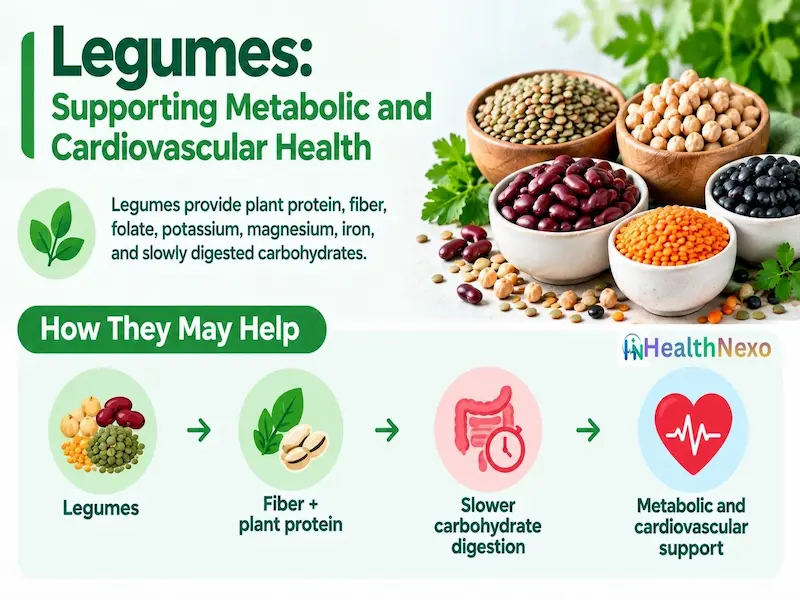
A meta-analysis of 16 randomized controlled trials involving 1,092 people found no significant overall reduction in blood pressure.
However, people with overweight or obesity had a modest reduction in systolic blood pressure of about 2.79 mmHg.
7. Extra-Virgin Olive Oil: Supporting Heart-Healthy Fat Intake
Extra-virgin olive oil contains monounsaturated fats and polyphenols. Using it instead of butter or other fats high in saturated fat can improve the overall quality of dietary fat.
How It May Help
- Olive oil → unsaturated fats + polyphenols → better dietary fat quality → cardiovascular support
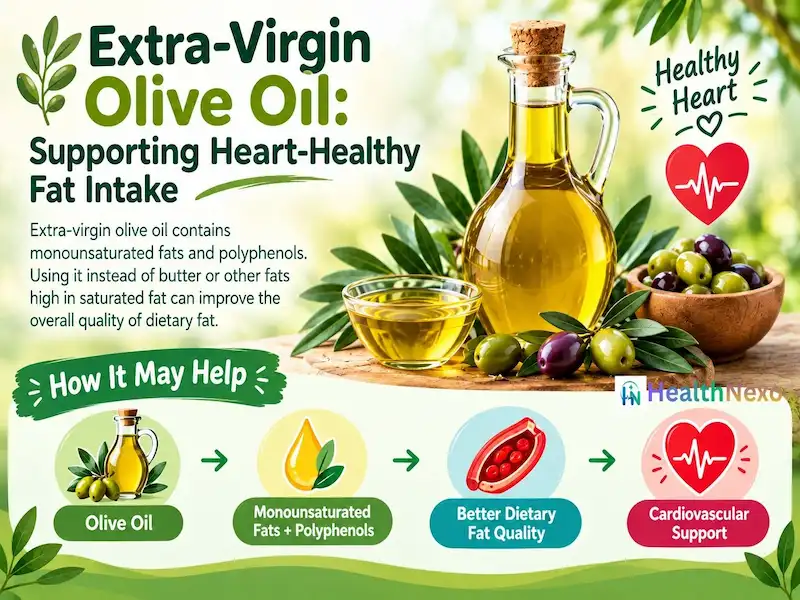
The revised PREDIMED analysis included 7,447 adults at high cardiovascular risk. Those following a Mediterranean diet supplemented with extra-virgin olive oil had fewer major cardiovascular events than the control group (3.8% vs. 4.4%; adjusted HR 0.69, 95% CI 0.53–0.91).
However, this was a combined outcome that included heart attack, stroke, and cardiovascular death. Therefore, it does not mean that stroke risk alone fell by 31%.
8. Avocado: Providing Heart-Healthy Unsaturated Fats
Avocados provide monounsaturated fats, fiber, potassium, folate, vitamin K, and vitamin E. Their healthy fats and fiber can improve diet quality when they replace foods higher in saturated fat.
How They May Help
- Avocado → unsaturated fats + fiber + potassium → better dietary quality → cardiovascular support
Potassium helps maintain normal blood pressure. Replacing saturated fats with unsaturated fats can also improve the quality of dietary fat.
Direct evidence that avocado itself prevents stroke is limited. It is best viewed as a nutrient-rich food that can fit into a heart-healthy diet.
9. Citrus Fruits: Supporting Vascular Health
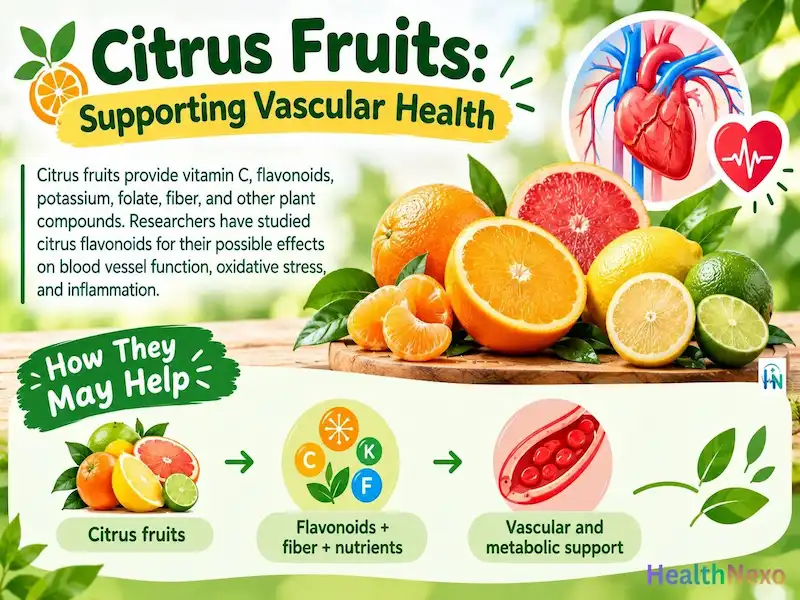
Citrus fruits provide vitamin C, flavonoids, potassium, folate, fiber, and other plant compounds. Researchers have studied citrus flavonoids for their possible effects on blood vessel function, oxidative stress, and inflammation. Examples include oranges, mandarins, grapefruits, and lemons. Whole citrus fruits usually provide more fiber than fruit juice.
How They May Help
- Citrus fruits → flavonoids + fiber + nutrients → vascular and metabolic support
A systematic review found that higher fruit intake was linked to about a 10% lower risk of stroke (RR 0.90).
However, this finding applies to fruit intake overall. It does not prove that citrus fruits alone reduce stroke risk.
10. Low-Fat Dairy and Fortified Alternatives: Supporting Nutrient Balance
Low-fat dairy foods provide protein, calcium, potassium, and vitamin B12. Fortified plant-based alternatives may also provide vitamin D and other nutrients. Examples include low-fat milk, plain yogurt, and calcium and vitamin D-fortified plant beverages.
How They May Help
- Dairy or fortified alternatives → protein + calcium + potassium → nutrient support → healthier dietary pattern
A meta-analysis of 55 prospective studies found low-quality evidence that higher dairy intake was linked to a modestly lower risk of stroke (RR 0.90, 95% CI 0.85–0.96).
Dairy foods are best viewed as part of an overall healthy diet rather than as stroke-preventive foods.
11. Soy Foods: Providing Plant-Based Protein and Healthy Fats
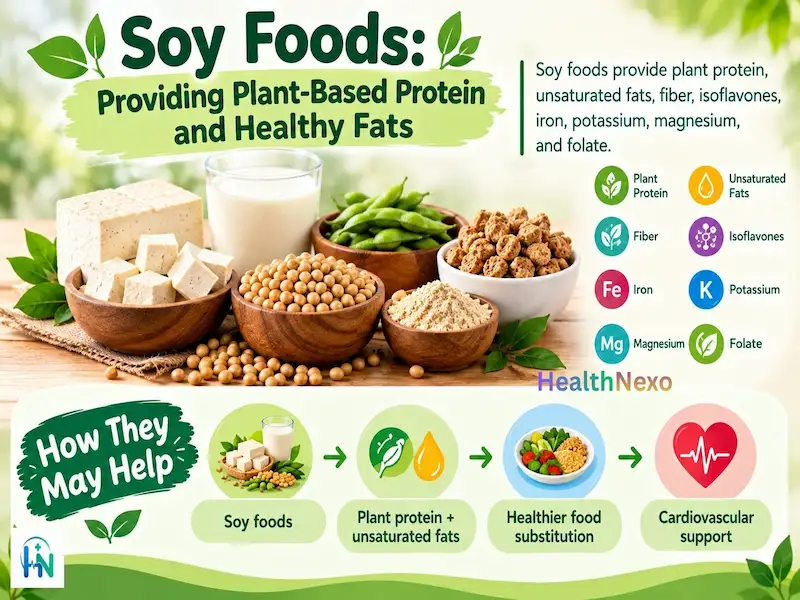
Soy foods provide plant protein, unsaturated fats, fiber, isoflavones, iron, potassium, magnesium, and folate. They may also improve diet quality when they replace foods that are higher in saturated fat. Examples include tofu, tempeh, and edamame.
How They May Help
- Soy foods → plant protein + unsaturated fats → healthier food substitution → cardiovascular support
A meta-analysis found that higher soy intake was linked to a lower risk of stroke (RR 0.82, 95% CI 0.68–0.99).
However, the evidence was mainly observational. Therefore, it does not prove that soy foods prevent stroke.
12. Whole Grains: Supporting Heart and Metabolic Health
Whole grains provide fiber, magnesium, B vitamins, iron, and other plant compounds. Their fiber may help support blood sugar control, cholesterol levels, digestion, and fullness. Examples include oats, barley, brown rice, and whole-wheat bread.
How They May Help
- Whole grains → fiber + micronutrients → better metabolic health → cardiovascular support
A meta-analysis of six prospective studies involving 247,487 people found that higher whole-grain intake was linked to about a 14% lower risk of stroke (RR 0.86, 95% CI 0.73–0.99).
However, the evidence is not completely consistent. Another analysis found no significant link between total whole-grain intake and ischemic stroke, although whole-grain breakfast cereals and bran were linked to lower risk.
Foods to Limit a Stroke-Supportive Diet
A healthy stroke-supportive diet is not only about adding nutritious foods. It also means limiting foods that may contribute to high blood pressure, unhealthy cholesterol, excess calorie intake, and poor metabolic health.
Limit or reduce:
- Processed meats: Sausages, bacon, hot dogs, and similar products
- High-sodium foods: Processed snacks, instant noodles, heavily salted meals, and some canned foods
- Refined carbohydrates: White bread, refined cereals, pastries, and other highly refined grain products
- Sugar-sweetened beverages: Soft drinks, sweetened drinks, and energy drinks
- Foods high in saturated fat: Fatty processed meats, butter, shortening, and some commercial foods
- Highly processed foods: Foods high in sodium, added sugar, unhealthy fats, or calories but low in nutrients
- Trans fats: Avoid partially hydrogenated oils where they are still present
The goal is not to completely avoid every food on this list. Instead, reduce how often you eat them and choose nutrient-rich alternatives more often.
The Bigger Picture: Diet and Stroke Prevention
Current evidence supports a Mediterranean-style eating pattern rather than relying on one food to prevent stroke. Try to include vegetables, fruits, whole grains, legumes, nuts and seeds, fish, and unsaturated fats regularly. At the same time, limit excess sodium, processed meats, refined carbohydrates, sugary drinks, and foods high in saturated fat.
This type of diet may help support healthy blood pressure, cholesterol, blood sugar, body weight, and heart health.
Beyond Diet: Other Ways to Reduce Stroke Risk
Diet is only one part of stroke prevention. Other important steps include:
- Controlling blood pressure
- Managing cholesterol
- Getting regular physical activity
- Avoiding tobacco
- Managing diabetes
- Maintaining a healthy body weight
- Getting enough sleep
- Following prescribed treatment when needed
People with high blood pressure, diabetes, high cholesterol, atrial fibrillation, previous stroke, or heart disease may need individualized medical care in addition to dietary changes.For people who have already experienced a stroke, newer rehabilitation approaches and emerging therapies may also help improve long-term function and recovery
Bottom Line: Build a Stroke-Supportive Diet
No single food can prevent stroke. However, Nutrient-Rich Foods to Support Stroke Prevention can be part of a long-term Mediterranean-style eating pattern rich in vegetables, fruits, whole grains, legumes, nuts, fish, and unsaturated fats.
This type of eating pattern may support healthy blood pressure, cholesterol, blood sugar, body weight, and cardiovascular health. For long-term stroke-risk reduction, it is important to combine a healthy diet with regular physical activity, tobacco avoidance, blood pressure and cholesterol management, diabetes control, and appropriate medical care.
Frequently Asked Questions (FAQs)
Q1. What type of diet may help reduce stroke risk?
A Mediterranean-style diet rich in vegetables, fruits, whole grains, legumes, nuts, fish, and unsaturated fats may help support lower stroke risk.
Q2. Which foods may support stroke prevention?
Vegetables, fruits, whole grains, legumes, nuts, fish, oats, and foods rich in unsaturated fats can fit into a stroke-supportive diet.
Q3. Can one food prevent a stroke?
No, no single food has been proven to prevent stroke on its own.
Q4. Is diet enough to prevent stroke?
No, stroke prevention also involves blood pressure and cholesterol management, physical activity, tobacco avoidance, diabetes management, healthy body weight, and appropriate medical care.
Medical Disclaimer
The information in this article is for general educational purposes only and is not intended to diagnose, treat, cure, or directly prevent stroke or any other medical condition. No single food can prevent stroke, and dietary changes should not replace prescribed medical treatment.
Nutritional needs and stroke risk can vary from person to person. Consult a qualified healthcare professional before making major dietary changes, especially if you have high blood pressure, diabetes, heart disease, high cholesterol, or a history of stroke.
If you experience sudden signs of stroke, seek emergency medical care immediately.
References
- Bushnell C, et al. 2024 Guideline for the Primary Prevention of Stroke. Stroke. 2024;55:e344-e424.
PubMed - Guo N, et al. Role of diet in stroke incidence: an umbrella review. BMC Med. 2022;20:194.
PubMed - Estruch R, et al. Primary Prevention of Cardiovascular Disease with a Mediterranean Diet Supplemented with Extra-Virgin Olive Oil or Nuts. N Engl J Med. 2018;378:e34.
NEJM - Zhao W, et al. Fish Consumption and Stroke Risk: A Meta-Analysis. J Stroke Cerebrovasc Dis. 2019;28:604-611.
PubMed - Whitehead A, et al. Cholesterol-lowering effects of oat β-glucan: a meta-analysis. Am J Clin Nutr. 2014;100:1413-1421.
PubMed - Shao C, et al. Nut intake and stroke risk: a dose-response meta-analysis. Sci Rep. 2016;6:30394.
PubMed - Chen Z, et al. Dairy Product Consumption and Cardiovascular Health: A Systematic Review and Meta-analysis. Adv Nutr. 2022;13:439-454.
PubMed - Zuo X, et al. Soy Consumption and the Risk of Type 2 Diabetes and Cardiovascular Diseases: A Systematic Review and Meta-Analysis. Nutrients. 2023;15:1358.
PubMed
Tags:

Md. Rakibul Hasan, BSc (Hons), MS (Thesis)
Biochemistry & Molecular Biology, University of Chittagong, Bangladesh
Senior Biochemist | Health Content Writer | Evidence-Informed Health Information Creator
Popular Diagnostic Centre Limited, Bangladesh.
He specializes in clinical biochemistry, laboratory diagnostics, and medical testing. Alongside his professional work, he is actively involved in health education and scientific communication.
As a Health Content Writer and Research-Based Health Information Creator, he simplifies complex medical and biochemical topics into clear, evidence-informed, and reader-friendly health information.