

Diabetes Prevention Strategies for Adults have never been more critical since it is one of the most prevalent chronic diseases today. According to the International Diabetes Federation (IDF), approximately 589 million adults worldwide are living with diabetes. Nevertheless, the majority of cases are related to lifestyle.
The reason for that is the existence of several lifestyle-related risk factors for developing both diabetes and prediabetes, such as poor nutrition, lack of physical activity, obesity, insufficient sleep, tobacco use, and genetic predisposition. Some of them can be controlled, and some cannot.
The present article aims to present information about diabetes, including its causes, symptoms, and risk factors, the mechanisms of the disease, and 10 scientifically-proven Diabetes Prevention Strategies for Adults.
Global Diabetes Statistics Infographic
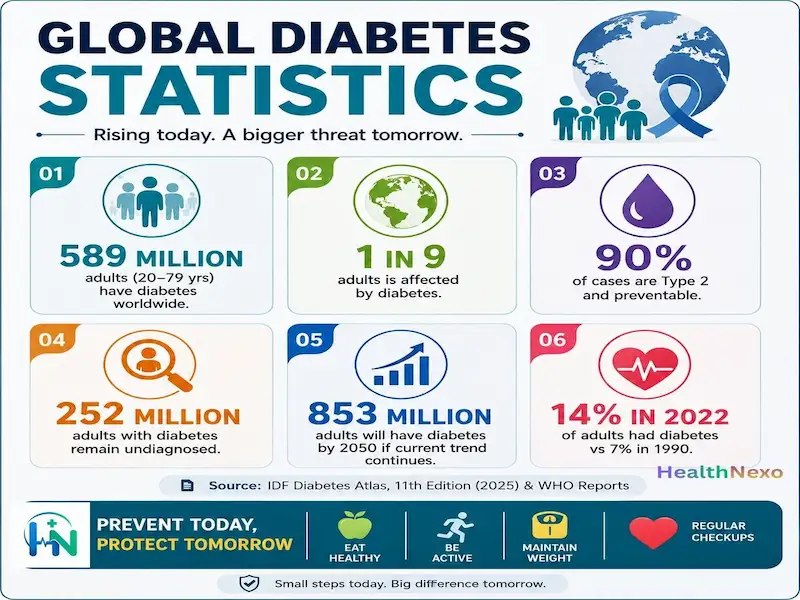
Diabetes is among the chronic diseases which are increasing significantly in the world, threatening many adults and putting a heavy burden on healthcare systems. The IDF Diabetes Atlas, 11th Edition (2025) and the World Health Organization (WHO) reports indicate that the disease is rising at an alarming rate.
Diabetes around the World
- 589 million adults (20–79 years old) are affected by diabetes across the world.
- 1 out of 9 adults is affected by diabetes worldwide.
- 90% of cases of diabetes are Type 2 diabetes, which is avoidable by adopting healthier habits.
- 252 million adults suffering from diabetes go undiagnosed.
- The figure of diabetes among adults worldwide will be 853 million by 2050 if the current trend continues.
- As reported by the World Health Organization (WHO), 14% of adults above 18 years of age had diabetes in 2022 as compared to 7% in 1990.
Understanding Diabetes
Diabetes is a chronic condition in which blood sugar (glucose) levels remain higher than normal because the body cannot produce enough insulin or use it effectively. The amount of sugar in the body depends on what and what a person eats. Insulin, a hormone that helps transfer it to cells, is involved in this process.
Diabetes develops when:
- The pancreas produces too little insulin.
- The body becomes resistant to insulin.
- Both problems occur together.
Common types of diabetes
There are four types of diabetes.
1. Type 1 Diabetes: The pancreatic cells are unable to produce insulin on their own and lifelong insulin treatment is needed.
2. Type 2 Diabetes: The most common type occurs due to the body’s inability to use insulin correctly or produce enough of it. It can be prevented with an appropriate lifestyle.
3. Gestational Diabetes: It happens during a woman’s pregnancy due to particular hormones, raising the risk of development diabetes late into her life.
4. Prediabetes: Sugar levels are a little high, but not enough to be diagnosed with diabetes and the blood is being managed.
How diabetes develops in the body
Diabetes starts when our body is unable to properly manage our body’s glucose levels (sugar). When our body doesn’t have enough of this hormone or when we’ve developed tolerance to it. Unhealthy lifestyle factors (poor diet, physical inactivity, excess body fat, and genetic factors)
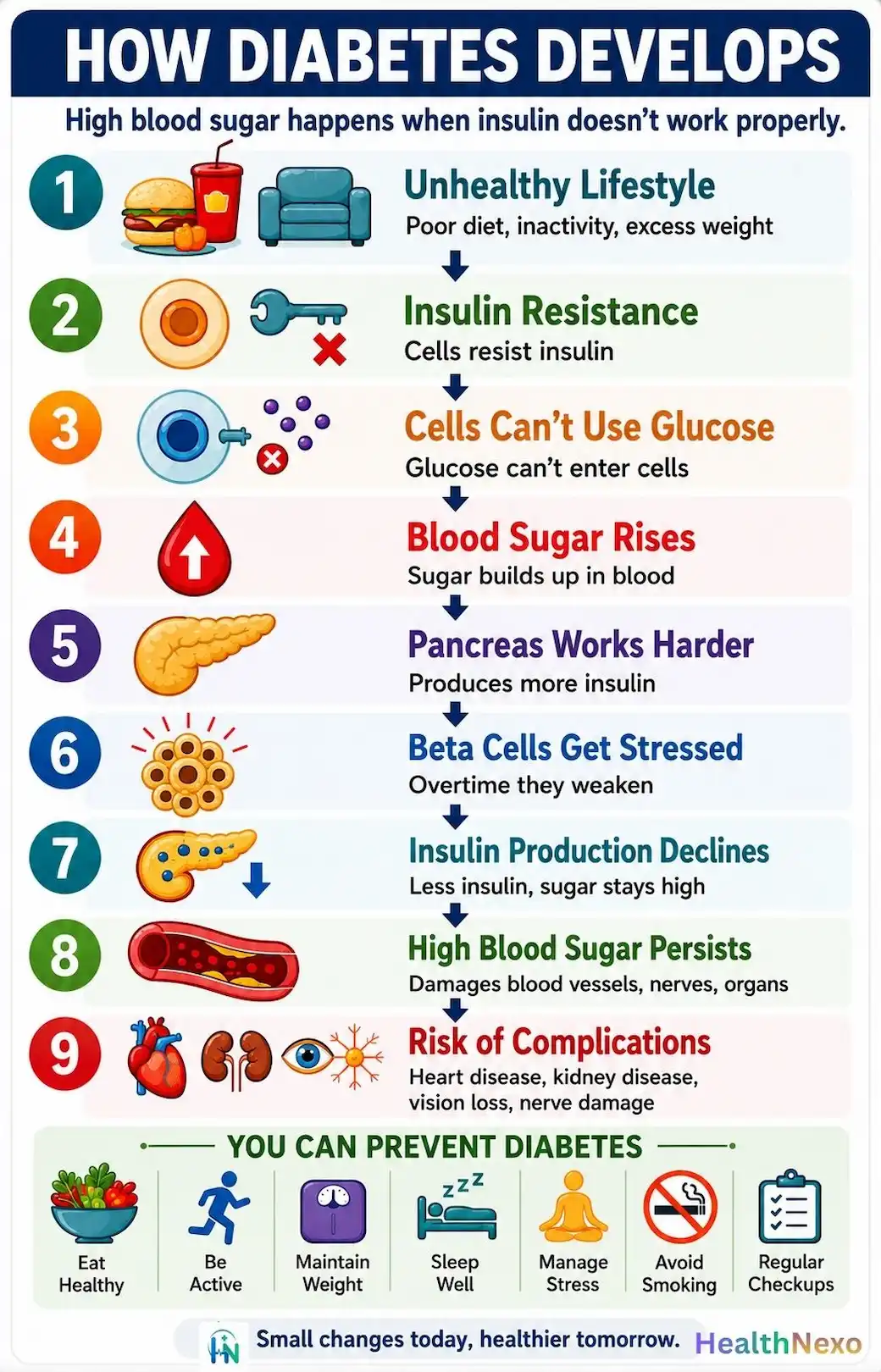
Over time, persistently high blood sugar can damage the heart, kidneys, eyes, nerves, and blood vessels.
Common Causes of Diabetes
The cause of the disease can be caused by any environmental factor or because of any lifestyle or hereditary problem. Here is an explanation of multiple causes of the disease.
- Being overweight or obese and having excess abdominal fat
- Inactivity
- Unhealthy dietary habits, including consumption of too many refined carbs and sugary products
- Genetics (family history of diabetes)
- Aging
- Smoking and using tobacco products
- Stress
- Insomnia or lack of sleep
- Abnormal blood pressure and cholesterol
- Changes in hormones, including gestational diabetes
All of these issues may result in insulin resistance and improper blood sugar management.
Major diabetes symptoms
Some common symptoms of diabetes are:
- Frequent urination
- Excessive thirst
- Excessive hunger
- Weight loss without any reason
- Tiredness/weakness
- Blurred vision
- Sores that do not heal easily
- Frequent infections
- Numbness/tingling sensation in the hands and feet
- Dry itchy skin
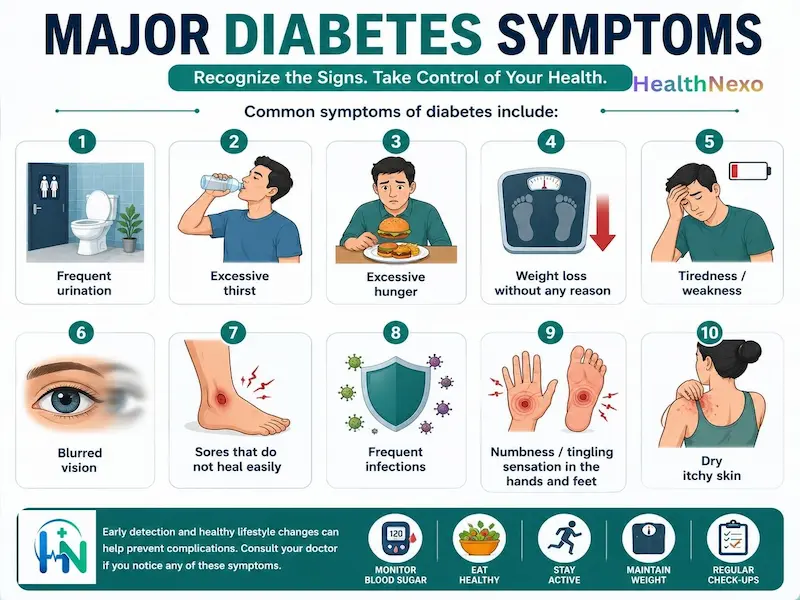
Please note that many people, especially in the initial stages of the disease, experience very mild symptoms or do not experience any symptoms at all.
Why Prevention Is Better Than Treatment
Diabetes prevention is much easier and cheaper than its treatment. When diabetes has developed, it usually involves a lifetime of treatment, blood sugar tests, and management of the disease. The practice of a healthy lifestyle is bound to decrease your risk of diabetes and associated problems. Healthy lifestyle can help you to:
- Lower risks of developing type 2 diabetes
- Maintain blood sugar levels
- Prevent diseases of the heart, kidneys, and nervous system
- Maintain good vision
- Maintain healthy weight
- Stay healthy
- Improve overall health and well-being
10 Evidence-Based Diabetes Prevention Strategies for Adults
These 10 evidence-based diabetes prevention strategies for adults can help lower diabetes risk, support healthy blood sugar levels, and improve overall health through simple, sustainable lifestyle changes.
Summary of 10 Evidence-Based Diabetes Prevention Strategies for Adults
| Strategy | Key Benefit |
| 1. Maintain a Healthy Weight | Improves insulin sensitivity and lowers diabetes risk. |
| 2. Eat a Balanced Diet | Supports healthy blood sugar and overall health. |
| 3. Increase Fiber Intake | Slows glucose absorption and improves blood sugar control. |
| 4. Exercise Regularly | Enhances insulin function and helps maintain a healthy weight. |
| 5. Avoid Sugary Drinks | Prevents blood sugar spikes and excess calorie intake. |
| 6. Prioritize Quality Sleep | Supports hormone balance and healthy glucose metabolism. |
| 7. Manage Stress | Helps reduce stress hormones that affect blood sugar. |
| 8. Quit Smoking | Improves insulin sensitivity and protects blood vessels |
| 9. Monitor Blood Sugar | Detects diabetes early and supports timely intervention. |
| 10. Control Blood Pressure & Cholesterol | Protects heart health and supports healthy metabolism. |
1. Maintain a Healthy Weight: First Step to Prevent Diabetes
To avoid diabetes, one of the most significant factors is to maintain a healthy body weight. Any extra fatty deposits in the stomach can also cause insulin resistance and reduce the functioning capacity of the body to control the sugar in it.
How It Works: Extra body fat → Insulin resistance → Blood sugar increase → Diabetes risk increase
Advantages
- Increased insulin sensitivity
- Controls blood sugar levels
- Decreases inflammation
- Heart health benefits
Tips for Implementation
- Consume well-balanced diets
- Control portion sizes
- Regular exercise
- Healthy body weight.
Fact: Losing 5–10% body weight lowers chances of developing diabetes among obese people.
2. A Balanced Diet: The Foundation of Diabetes Prevention
Maintain blood sugar levels by eating healthy foods you increase your chances of prevention of diabetes. Only healthy foods including fiber, fat and protein should be considered.
More:
- Whole grains (oats, brown rice, quinoa)
- Vegetables (spinach, broccoli, cauliflower)
- Fruit (berries, apples, oranges)
- Protein (fish, eggs, legumes)
- Fat (avocado, olive oil, seeds)
Less:
- Sugar (sodas, desserts)
- Processed grains (white bread)
- Fried foods
- Processed meats
3. Fiber Intake: A Key Nutrient for Diabetes Prevention
Eat a diet high in fiber. A diet high in fiber is a crucial component in diabetes prevention. Fiber can slow digestion, help keep blood glucose levels from peaking, increase your insulin sensitivity, and fill you up.

Advantages:
- Improves digestion
- Helps in maintaining proper body weight
- Improves blood glucose control
- Reduces cholesterol level
- Decreases chances of getting type 2 diabetes
Best Sources: Oats, legumes, apples, berries, vegetables, nuts, seeds.
Daily Amount of Consumption: It is recommended to have 25–38 grams of dietary fiber per day.
4. Exercise Regularly: Your Daily Defense against Diabetes
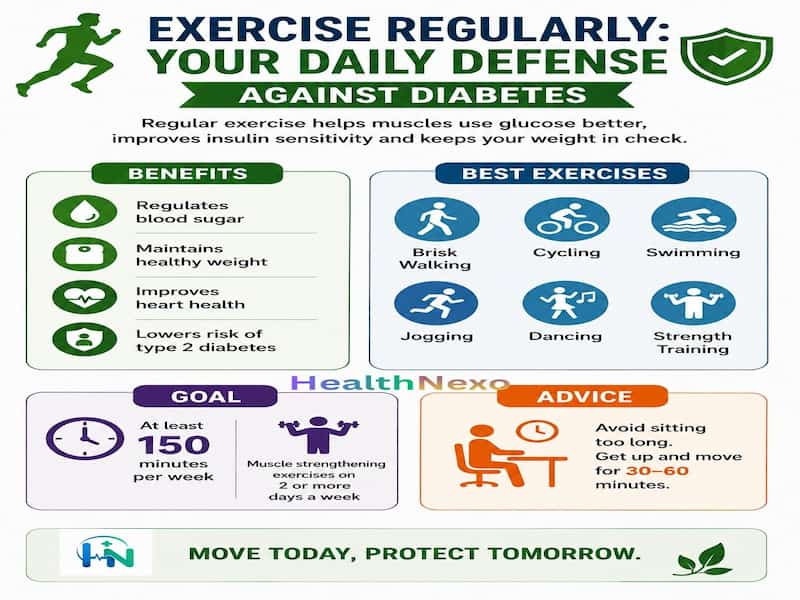
Exercise is perhaps one of the most effective methods of avoiding diabetes. Regular exercise increases the ability of the muscles to take up glucose. In this way, healthy insulin sensitivity levels and the desired weight can be obtained.
How It Works: Regular exercise → Increased glucose absorption by the muscles → Insulin sensitivity → Better blood sugar control → Reduced risk of diabetes
Advantages:
- Regulates your blood sugar
- Maintains an ideal body weight
- Improves cardiovascular health
- Reduces the risk of developing type 2 diabetes
Recommended Exercises: These include brisk walking, cycling, swimming, jogging, dancing, and strength training exercises.
Objective: Exercise for at least 150 minutes every week. Engage in muscle strengthening activities on two or more days a week.
Advice: Do not sit for long. Rather, get up, stretch, and walk for about 30–60 minutes.
5. Avoid Sugar-Sweetened Beverages: A Smart Choice for Diabetes Prevention
Many drinks with sugar, such as fizzy drinks, are also high-calorie options. These drinks bring about rapid increases in our levels of blood glucose. Furthermore, consumption of such beverages results in an increase of insulin production and excess weight.
How It Works: Sugary drinks → Quick glucose uptake → High blood glucose → Insulin demand increase → Weight gain and insulin resistance → Higher chances of developing diabetes.
Do not drink:
- Soft drinks
- Tea and coffee with sweeteners
- Energy drinks
- Fruit juices in packs
Instead, drink:
- Water
- Green or herbal tea without any sweeteners
- Black coffee (unsweetened)
- Carbonated water (unsweetened)
Pro tip: Flavor your water with lemon, cucumber, or mint.
6. Prioritize Quality Sleep: A Key Factor in Diabetes Prevention
If your body takes the right amount of sleep on a daily basis, it will allow control of your body from blood sugar. Lack of the right amount of sleep may harm few who have appetite regulate functions which regulate insulin. For longer periods, it increases the risk of diabetes in your body.
How It Works: Lack of sleep → Hormone imbalance (increased cortisol and ghrelin and decreased leptin) → Insulin resistance → Increased blood glucose level → Diabetes.
Sleep Tips:
- Sleep 7 to 9 hours each day.
- Stick to a sleeping routine.
- Cut down on-screen time before sleeping.
- Reduce coffee intake at night.
- Create a comfortable sleeping environment.
- Limit screen time before bed.
- Avoid caffeine and large meals late in the evening.
- Keep your bedroom cool, dark, and quiet.
7. Manage Stress Effectively: Protect Your Health and Blood Sugar Balance
Long-term stress can disrupt blood sugar regulation by increasing stress hormones that affect insulin function. Managing stress may help improve insulin sensitivity and support overall metabolic health.

How does the stress coping mechanism work?
- Stress → Rise of cortisol and adrenaline → Fall in insulin resistance → Rise in blood glucose → Risk of developing diabetes.
The ways to deal with stress in a healthy manner:
- Deep breathing or meditation
- Yoga or exercise
- Spend time with your family
- Soft, relaxing music
- Walk in nature
- Write down what you are grateful for in your life.
Note: Fifteen minutes of relaxation per day will help to cope with stress and control your blood glucose levels.
8. Quit Smoking: A Vital Step toward Diabetes Prevention
If you smoke, your chances of being at risk of diabetes. This is since smoking damages blood vessels in the body, leading to swelling and insulin resistance to decrease. You have the ability to manage blood glucose levels by giving up smoking. Manage heart health to avoid diabetes.
Benefits of Quitting Smoking:
- Increases insulin efficiency
- Promotes good blood flow
- Decreases inflammation
- Prevents heart problems
- Enhances general health
Advice: If you have trouble quitting smoking, consult with a doctor or enroll in a smoking cessation program.
9. Monitor Blood Sugar: A Smart Approach to Diabetes Prevention
Regular blood sugar testing can help detect prediabetes or diabetes early, even before symptoms appear. You can take prompt action as to adjust your lifestyle and can reach for medical help.
Who should be screened for diabetes?
- Adults above the age of 35 years
- Overweight and obese people
- People with a family history of diabetes
- Those with high blood pressure or high cholesterol
- Those living an inactive lifestyle
Tests which can be administered:
- Fasting Plasma Glucose (FPG)
- HbA1c test
- Oral glucose tolerance test (OGTT)
Hints: It is advisable to have your health checks done frequently to ensure that your blood glucose is fine. Early detection will protect against diabetes.
10. Maintain Normal Blood Pressure and Cholesterol Levels
Blood pressure and cholesterol levels must be within normal limits for heart and blood vessels health. Moreover, normal blood pressure and cholesterol levels will also help with metabolism and will protect you from getting diabetes.
How does this work?
- Healthy Blood Pressure & Cholesterol → Better Heart & Blood Vessel Health → Improved Insulin Function → Reduced Diabetes Risk
Advice:
- Have additional fruits and vegetables
- Minimize the intake of salt, trans fats, and saturated fats
- Consume healthy fats like olive oil and nuts
- Exercise regularly
- Achieve and maintain a healthy body weight
- Follow your doctor’s prescribed medication regimen
Advice: Make sure you undergo routine medical checks to determine blood pressure and cholesterol levels.
Who Is at Higher Risk of Diabetes?
Certain individuals have a higher risk of becoming diabetic for various reasons, including age, genetics, lifestyle, and overall health.
The groups include:
- People above 35 years old
- Overweight or obese individuals
- Individuals who have family members with diabetes
- Females with a history of gestational diabetes
- Individuals with high blood pressure or high levels of cholesterol
- Inactive individuals
- Individuals with PCOS
Being aware of the risk factors can be a great way to avoid or delay the onset of type 2 diabetes.
Summary of Research
Studies indicate that adopting a healthier lifestyle can significantly reduce the risk of diabetes and enhance metabolic health.
Key Research Findings
- Weight reduction by 5 to 10 % is sufficient for improving insulin sensitivity.
- Physical activities help regulate blood sugars.
- A fiber-heavy diet helps with the regulation of blood sugars and the intestines.
- The limitation of sugars can lead to lesser chances of weight gain.
When Should You See a Doctor?
Many people with prediabetes or early-stage type 2 diabetes have no symptoms. Seek medical advice if you notice any warning signs, as early diagnosis can help prevent serious complications.
See a healthcare provider if you experience:
- Frequent urination, especially at night
- Excessive thirst that doesn’t improve with drinking water
- Unexplained weight loss
- Blurred vision
- Persistent fatigue or unusual weakness
- Slow-healing cuts, wounds, or sores
- Frequent skin, gum, or urinary tract infections
- Tingling Sensation in Hands or Feet
Expert Recommendations
Some renowned and trustworthy health organizations, including the CDC, WHO, and the ADA, suggest healthy practices like food intake, exercising as some of the ways in which a person can avert suffering from diabetes. They say a few easy preventive behaviors they may be able to take consist of balanced eating habits, exercising, keeping a correct body weight, as well as medical check-ups.
Final Thoughts
Diabetes Prevention Strategies for Adults can significantly reduce the risk of developing diabetes and its long-term complications. While factors such as age and family history cannot be changed, healthy lifestyle habits can make a meaningful difference. Eat a balanced diet, exercise regularly, maintain a healthy weight, sleep 7–9 hours, manage stress, avoid smoking, and schedule regular health checkups to support healthy blood sugar levels. Small lifestyle changes today can lead to a healthier future.
Frequently Asked Questions (FAQs)
Q1. Can diabetes be prevented naturally?
Yes. A healthy diet, regular exercise, weight management, quality sleep, and avoiding smoking can help reduce diabetes risk.
Q2. What foods help prevent diabetes?
Whole grains, vegetables, fruits, legumes, nuts, seeds, and lean proteins support healthy blood sugar levels.
Q3. How much exercise is recommended?
Aim for at least 150 minutes of moderate exercise per week, plus strength training on 2 or more days.
Q4. What are the main risk factors for diabetes?
Common risk factors include excess weight, physical inactivity, unhealthy diet, family history, high blood pressure, smoking, and poor sleep.
Q5. Can prediabetes be reversed?
Yes. Healthy eating, regular physical activity, and weight loss can often help return blood sugar to a healthy range.
Q6. What is the best way to prevent diabetes?
Follow evidence-based diabetes prevention strategies, including a balanced diet, regular exercise, maintaining a healthy weight, managing stress, sleeping well, and getting regular health checkups.
Q7. Can lifestyle changes reduce diabetes risk?
Yes. Healthy lifestyle changes can significantly lower the risk of developing diabetes and improve overall health.
References
- International Diabetes Federation (IDF). Diabetes Atlas, 11th Edition (2025).
- World Health Organization (WHO). Diabetes Fact Sheet.
- Centers for Disease Control and Prevention (CDC). National Diabetes Prevention Program.
- American Diabetes Association (ADA). Standards of Care in Diabetes.
- Diabetes Prevention Program Research Group. Reduction in the Incidence of Type 2 Diabetes with Lifestyle Intervention or Metformin. New England Journal of Medicine. 2002; 346:393–403.
- Knowler WC, et al. 10-year Follow-up of Diabetes Prevention Program Outcomes. The Lancet. 2009; 374:1677–1686.
⚕️ Medical Disclaimer
The information provided in this article is for educational and informational purposes only. It is not intended to be a substitute for professional medical advice, diagnosis, or treatment. Always consult a qualified healthcare professional before making any medical decisions, starting any treatment, or changing your current healthcare plan.

Md. Rakibul Hasan, BSc (Hons), MS (Thesis)
Biochemistry & Molecular Biology, University of Chittagong, Bangladesh
Senior Biochemist | Health Content Writer | Evidence-Informed Health Information Creator
Popular Diagnostic Centre Limited, Bangladesh.
He specializes in clinical biochemistry, laboratory diagnostics, and medical testing. Alongside his professional work, he is actively involved in health education and scientific communication.
As a Health Content Writer and Research-Based Health Information Creator, he simplifies complex medical and biochemical topics into clear, evidence-informed, and reader-friendly health information.



1 thought on “Diabetes Prevention Strategies for Adults: 10 Evidence-Based Ways to Reduce Your Risk”