
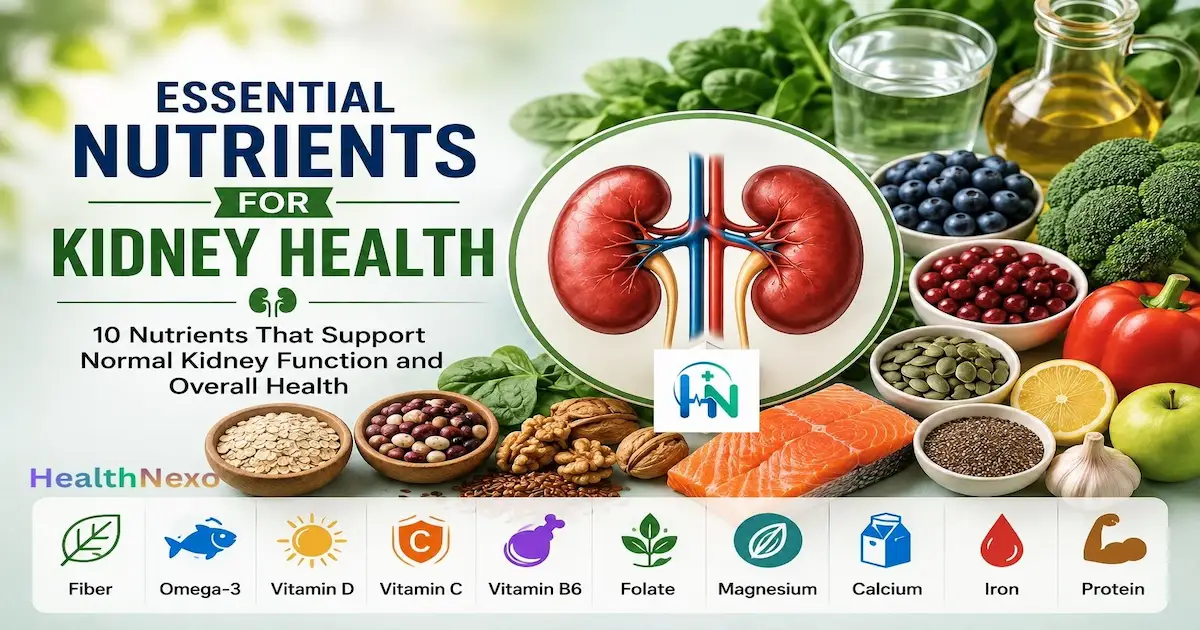
The kidneys filter blood, remove waste, balance fluids and electrolytes, regulate blood pressure, and help activate vitamin D. A balanced diet provides essential nutrients for kidney health, including fiber, omega-3 fatty acids, vitamins, minerals, and protein. However, no single nutrient can repair or cure the kidneys. For people with chronic kidney disease (CKD), nutritional needs may vary based on kidney function, medications, lab results, and dialysis status.
In this article, you’ll learn about 10 important nutrients, their food sources, benefits, and key considerations for people with CKD.
Key Takeaways
- Key nutrients that maintain the health of the kidneys facilitate proper functioning of the body and the health of the patient.
- Each type of nutrient performs its own specific function in the body – fiber, omega-3, vitamins, minerals, and protein.
- Protein is necessary for healthy muscles and tissues, but the protein requirement varies according to CKD status.
- Sodium, potassium, phosphorus, and fluid intake may need to be regulated as the functioning of the kidneys deteriorates.
- It is advisable to consume a nutritious diet rather than taking extra nutritional supplements.
- Patients suffering from CKD should consume their own individualized diet as per kidney function and medications.
Kidney Disease Worldwide: Prevalence and Key Statistics
Chronic kidney disease (CKD) is a significant public health issue globally. It is said that there are 674 million people living with CKD, which accounts for 9% of the global population. The prevalence is highest in developing countries. There has been a rising number of deaths from kidney disease in the world. Kidney disease was the 9th most common cause of death globally in 2021 compared to the 19th position in 2000, with an increase in mortality by 95%.
Key Statistics
- There are about 674 million people with CKD in the world.
- CKD is found in about 9% to 10% of the population.
- The majority of people suffering from CKD are from low and middle-income countries (LMICs).
- In 2021, kidney diseases ranked 9th on the list of major causes of death.
- From 2000 to 2021, there was an increase of 95% in deaths caused by kidney diseases.
- Diabetes and hypertension are important risk factors for CKD.
- Kidney disease might be the 5th largest cause of death in 2050.
How Kidney Function Works
The kidneys continually filter the blood and help the body maintain balance in fluid, electrolyte, acid, and waste products. Every kidney has millions of minute filters known as nephrons.
Kidney Function in Simple Form:
- Blood → Filtration → Reabsorption → Excretion of Waste Products → Urine
Key Kidney Functions
- Blood filtration: Filtration of water and small molecules from the blood.
- Reabsorption: Reabsorption of beneficial water, glucose, and electrolytes into the blood.
- Excretion of wastes: Excretes waste products via urine.
- Regulation of fluid and electrolyte balance: Control of fluid, sodium, potassium, and other electrolytes.
- Regulation of acid-base balance: Maintenance of normal pH of blood.
- Regulation of blood pressure: Blood pressure regulation via fluid balance and hormone pathways.
- Endocrine functions: Erythropoietin production and activation of vitamin D.
How Nutrition Supports Kidney Function
Good nutrition is crucial for the overall well-being of your kidneys and metabolism. Various foods have various impacts on different physiological processes that are associated with kidney function.
- Blood Pressure and Hydration: Increased intake of sodium may cause fluid retention and raise your blood pressure, which may put extra strain on the cardiovascular and renal systems.
- Blood Sugar and Metabolism: A proper and fiber-rich diet may contribute to healthy blood sugar levels. It is important to remember that diabetes is the most common cause of CKD.
- Antioxidant Defense: Nutrients like vitamin C help maintain your body’s defense against oxidative stress and contribute to the functioning of the antioxidant system.
- Calcium, Phosphorus, vitamin D Balance: Your kidneys control the balance of these substances. Impaired kidney function causes the disruption of this process.
- Proteins and Waste Disposal: Proteins are necessary for the maintenance of your muscles and tissues. But protein metabolism causes nitrogenous waste production.
The Kidney–Nutrition Connection
Diet → Digestion → Absorption → Metabolism → Circulation → Filtration by the Kidneys → Excretion of Urine.
The nutrients get digested and absorbed into the blood for use within the body. Kidneys help to maintain fluid balance, electrolyte balance, pH balance, and metabolism. In case of poor kidney function, the body may manage the nutrients and minerals differently. This means that kidney nutrition is all about balance, not about having too much of the nutrients.
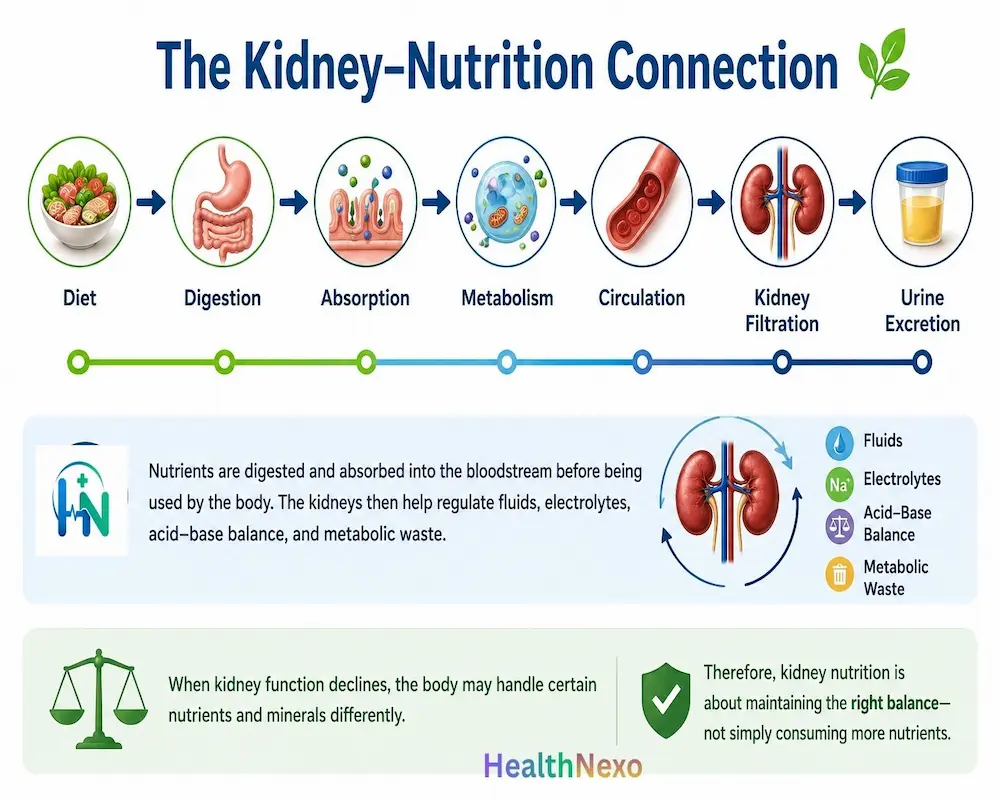
Key Idea: A kidney-healthy diet emphasizes appropriate nutrition without extra intake.
10 Essential Nutrients for Kidney Health
These nutrients support normal metabolism, heart, bone, blood, and digestive health. Essential nutrients for kidney health help support normal body function as part of a balanced diet but do not treat or cure kidney disease. The following 10 nutrients play significant roles in good health. The minerals’ sodium, potassium, and phosphorus are mentioned individually since their intake may require modification in CKD.
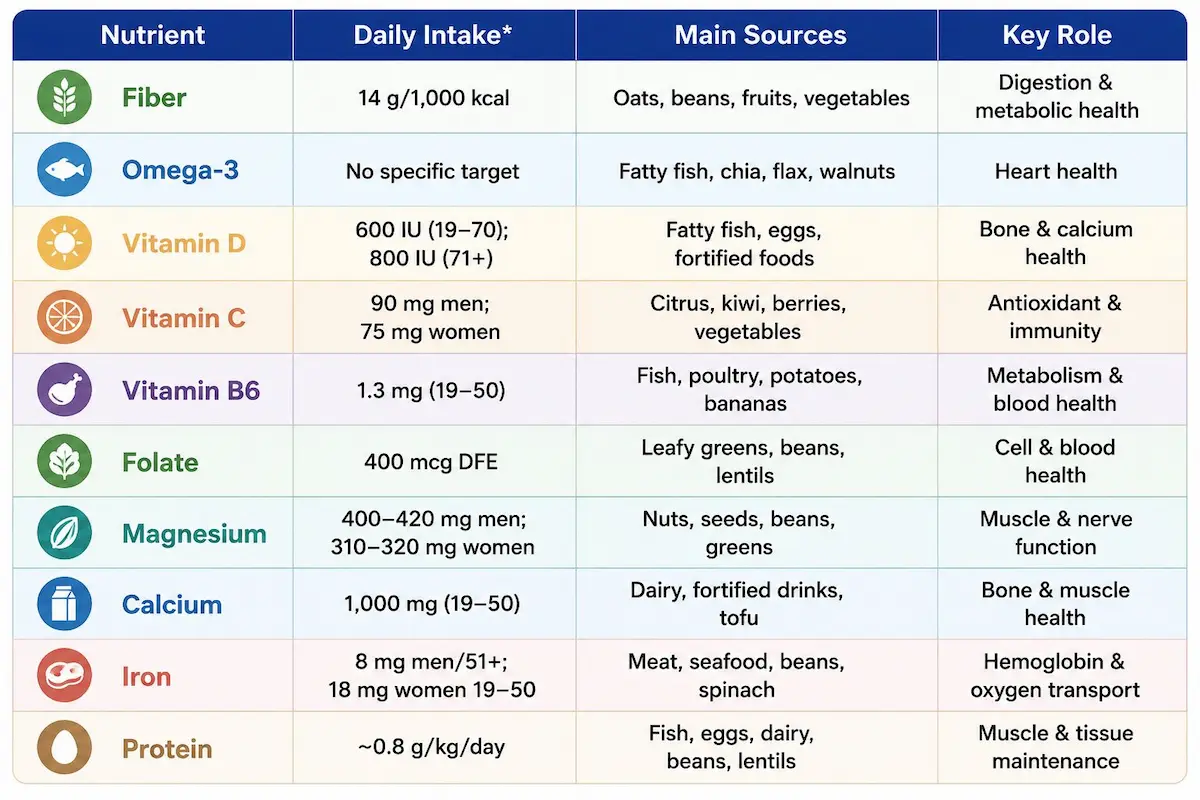
Summary table: 10 Essential Nutrients for Kidney Health
1. Fiber: Gut Support for Kidney Health
Fiber is good for maintaining proper digestion, regulation of blood sugar and cholesterol, and a good gut microbial community. Some types of fiber are metabolized by the microbes in the gut to form short-chain fatty acids (SCFAs).
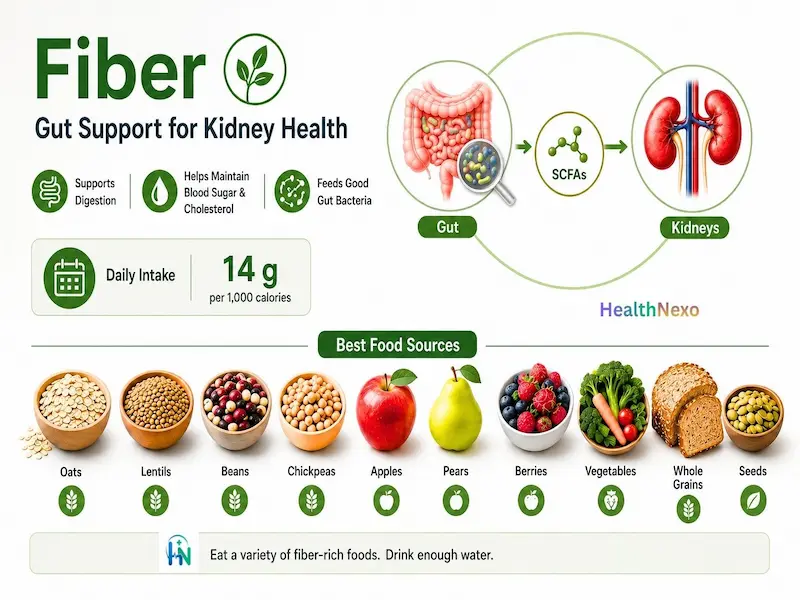
- Daily Intake for Healthy Adults: 14 g per 1,000 calories
- Best Food Sources: Oats, barley, lentils, beans, chickpeas, apples, pears, berries, vegetables, whole grains, and seeds.
Kidney Consideration: Individuals with CKD may need to change certain potassium or phosphorus-containing foods depending on their kidney functioning and test results.
Evidence: Sufficient fiber intake is necessary for maintaining metabolic and cardiovascular health but is not a treatment for kidney disorders.
2. Omega-3: Heart Support for Kidney Health
Omega-3 fats are beneficial for good heart health and the regulation of inflammation. As heart and kidney health are closely related to one another, these functions can also benefit the kidneys.
- Daily Intake for Healthy Adults: No specific daily intake is established for kidney health. Focus on food sources.
- Best Food Sources: Salmon, sardines, mackerel, tuna, chia seeds, flaxseeds, and walnuts.
Kidney Consideration: Individuals with CKD are advised to consult their medical provider prior to high-dose omega-3 supplementation because they are on anticoagulant medication.
Evidence: Omega-3 fatty acids are good for cardiovascular wellness but not a CKD remedy.
3. Vitamin D: Bone and Mineral Support
It is also needed by the body in order for it to be able to absorb the calcium and make bones healthy. Kidney is involved as well in the conversion of vitamin D into its usable form.
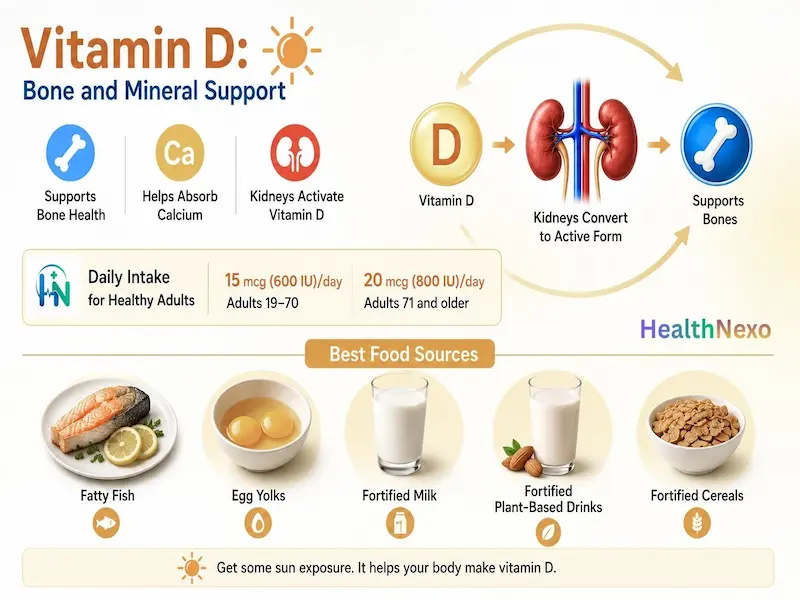
- Daily Intake for Healthy Adults: 15 mcg (600 IU)/day for adults aged 19–70; 20 mcg (800 IU)/day for adults aged 71 and older.
- Best Food Sources: Fatty fish, egg yolks, fortified milk, fortified plant-based drinks, and fortified cereals.
Kidney Consideration: Individuals with CKD can have changes in their vitamin D metabolism. Supplementation at high doses must only be done under proper medical advice.
Evidence: Vitamin D is essential for bone and calcium health, but is not used to treat CKD.
4. Vitamin C: Antioxidant Support
Ascorbic acid, or vitamin C, is an antioxidant that promotes immunity, tissue repair, and iron absorption. Getting enough of it ensures proper functioning of the body.
- Daily Intake for Healthy Adults: Men: 90 mg/day, and Women: 75 mg/day
- Best Food Sources: Oranges, kiwi, strawberries, bell peppers, broccoli, tomatoes, and other fruits and vegetables.
Kidney Consideration: Individual requirements for vitamin C may be required for patients with end-stage CKD or calcium oxalate kidney stone history. Do not use large doses of vitamin C supplement without professional guidance.
Evidence: Vitamin C helps in maintaining healthy antioxidant and immune system function.
5. Vitamin B6: Metabolic Support
Vitamin B6 is required for protein, carbohydrate, and fat metabolism. It also assists in maintaining healthy nerves and the formation of red blood cells.
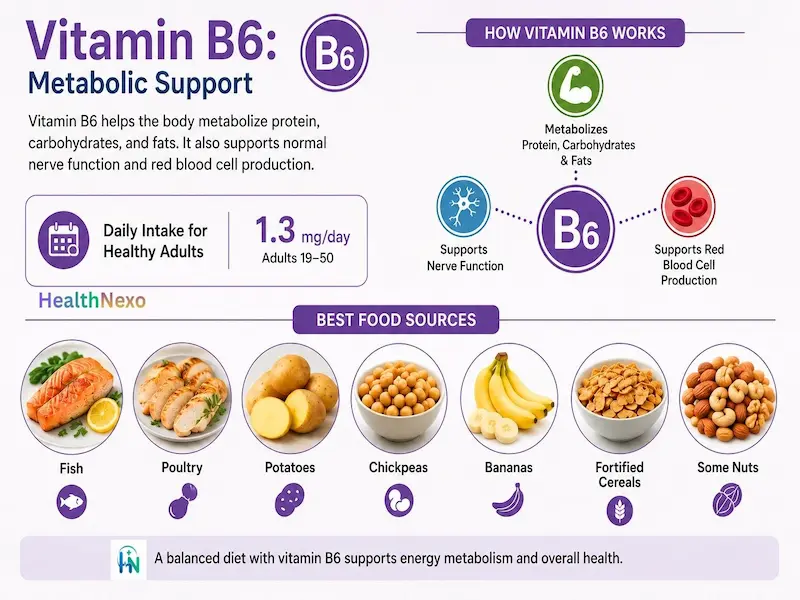
- Daily Intake for Healthy Adults: 1.3 mg/day for adults aged 19–50.
- Best Food Sources: Fish, poultry, potatoes, chickpeas, bananas, fortified cereals, and some nuts.
Kidney Consideration: Do not take high doses of vitamin B6 supplements without a healthcare professional’s advice.
Evidence: Vitamin B6 is crucial for metabolism but cannot cure kidney disease.
6. Folate: Blood Health Support
Folic acid is another name for a B vitamin that helps in the production of DNA and cell division. This is essential for the formation of red blood cells.
- Daily Intake for Healthy Adults: 400 mcg DFE/day.
- Best Food Sources: Leafy greens, beans, lentils, asparagus, avocado, oranges, and fortified grains.
Kidney Consideration: If you have CKD or consume many vitamin preparations, consult your physician regarding folate supplementation.
Evidence: Folate is associated with healthy cell growth and blood cells and does not address CKD problems.
7. Magnesium: Mineral Support
It aids in muscle and nerve activity, production of energy, and electrolyte balance. Magnesium is also used in many significant biochemical processes within the body.
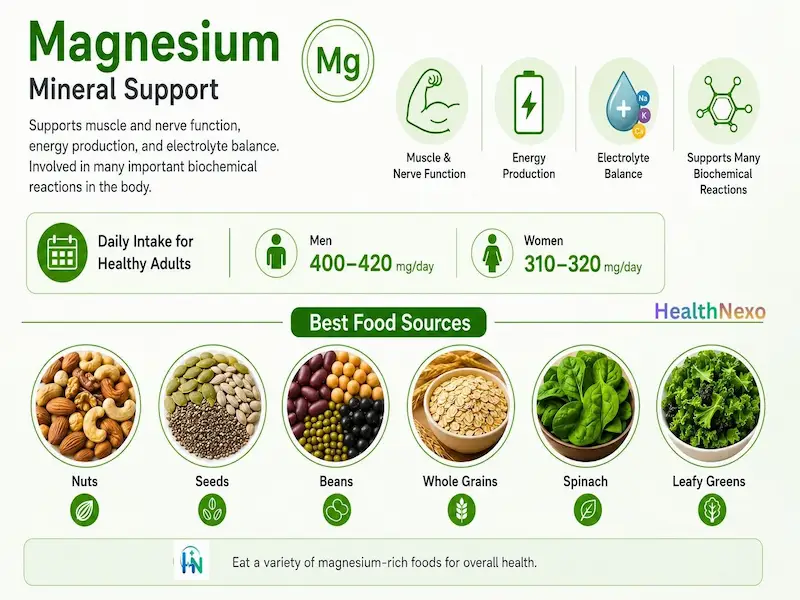
Daily Intake for Healthy Adults:
- Men: 400–420 mg/day
- Women: 310–320 mg/day
Best Food Sources: Nuts, seeds, beans, whole grains, spinach, and other leafy greens.
Kidney Consideration: Decreased kidney efficiency may impact magnesium excretion from the body. Thus, high-dose magnesium supplementation must be taken with care.
Evidence: Magnesium is critical for optimal body functioning, but the exact effect of magnesium on CKD is unknown.
8. Calcium: Bone and Mineral Support
Calcium is needed for bone strength, muscle activity, nerve impulses, and blood coagulation. Calcium and phosphorus levels in the body are regulated by the kidneys.
- Daily Intake for Healthy Adults: 1,000 mg/day for most adults aged 19–50.
- Best Food Sources: Yogurt, milk, fortified plant-based drinks, calcium-set tofu, and selected leafy greens.
Kidney Consideration: Patients with CKD may have an abnormal calcium-phosphorus balance. Not all patients with CKD will need calcium supplementation.
Evidence: Calcium is an important component for bones and minerals. However, calcium requirements will vary individually in CKD patients.
9. Iron: Blood Health Support
Iron is required for the formation of hemoglobin, which helps in transporting oxygen through the bloodstream. It is also necessary for proper energy metabolism.
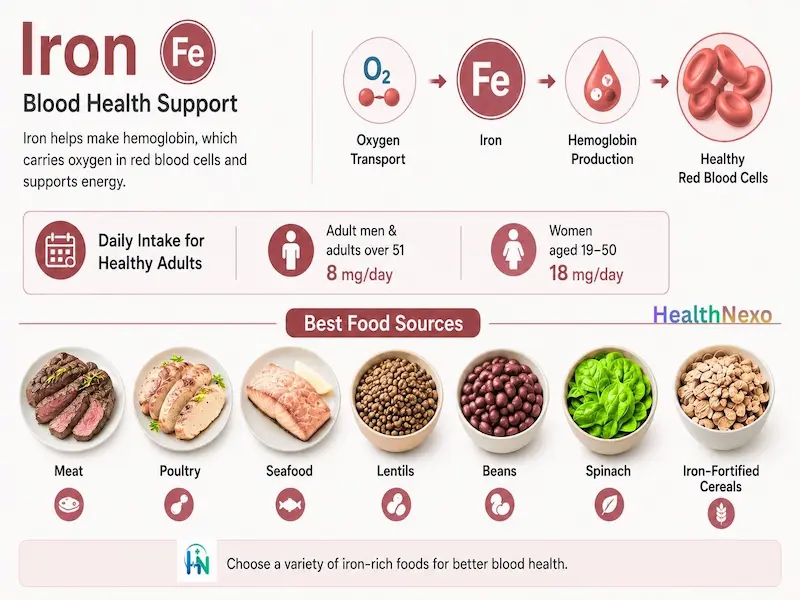
Daily Intake for Healthy Adults:
- Adult men and adults over 51: 8 mg/day
- Women aged 19–50: 18 mg/day
Best Food Sources: Meat, poultry, seafood, lentils, beans, spinach, and iron-fortified cereals.
Kidney Consideration: People with CKD often have anemia, but their individual iron requirements can differ. Test yourself for iron deficiency before you take any iron supplements.
Evidence: Iron is necessary for the normal development of blood cells. Patients with CKD-induced anemia may require iron supplementation.
10. Protein: Muscle and Tissue Support
Protein contains amino acids that are crucial for muscle growth and tissue repair. But the appropriate amount of protein can depend on the state of your kidneys.
- Daily Intake for Healthy Adults: About 0.8 g/kg of body weight/day.
- Best Food Sources: Fish, eggs, poultry, yogurt, milk, beans, lentils, and other protein-rich foods.
Kidney Consideration: Protein requirements may differ greatly among patients with CKD. High and low protein intakes could be damaging to an individual with CKD.
Evidence: Protein is very important for maintaining healthy muscles and tissues, although one should be cautious about protein intake when having CKD.
Note: It is important to understand that these guidelines apply to the healthy population as they cannot serve as specific dietary recommendations for individuals with CKD. Nutrient requirements depend upon the health status of patients.
What About Sodium, Potassium, and Phosphorus?
Sodium, potassium, and phosphorus are minerals regulated by the kidneys. These may have different recommendations depending on kidney function and lab tests in the case of CKD.
- Sodium: The average daily amount is less than 2,300 mg. Excessive sodium intake leads to high blood pressure and fluid retention.
- Potassium: This mineral helps muscles, nerves, and heart work correctly. Potassium limitation is not always necessary for people with CKD because the intake is determined individually.
- Phosphorus: This mineral helps build healthy bones, cells, and provides energy. With advanced CKD, phosphorus can accumulate in the blood since the kidneys cannot eliminate excess. When limitation is advised, remember to look at the labels for products with “phos.”
Kidney tip: Individual recommendations for sodium, potassium, phosphorus, and protein consumption are necessary for patients with CKD.
Nutrients vs. Supplements: Which Is Better?
In most cases, a healthy diet can supply the body with all the necessary nutrients for most healthy individuals. However, supplements can help when a deficiency is detected, but taking excess can be harmful, particularly to someone suffering from kidney problems.
Before consuming dietary supplements:
- Make sure that you really require them.
- Don’t take high-potency supplements without medical assistance.
- Let your healthcare provider know about them.
- In the case of CKD, discuss proper doses with a doctor.
Healthy Diet for Kidney Health
1. Go for a Variety of Whole Foods: Eat proper fruits, vegetables, whole grains, and protein sources.
2. Avoid Too Much Salt Intake: Avoid too much consumption of overly salted and processed foods.
3. Select Proper Protein Sources: High intake of protein is not always good for your kidney.
4. Drink Proper Amounts of Fluids: Consume enough water as per your CKD requirement and fluid intake limits if any.
5. Avoid Processed Foods: Some processed foods have too much sodium, added sugar, and phosphorus content.
6. Achieve Proper Weight: Proper eating and physical activities ensure metabolic health.
7. Get Your Personalized Nutritional Needs Advice: You can approach a healthcare provider or a registered dietitian for your needs.
Bottom Line
Essential nutrients for kidney health support normal metabolism, cardiovascular health, blood pressure regulation, bone health, and other important body functions. It should be noted that sometimes more nutrients are not necessarily good. In general, one should aim at getting enough nutrients, but not too many. It may be necessary to adjust sodium, potassium, phosphorus, protein intake, fluids, as well as some vitamins for people with CKD.
Frequently Asked Questions (FAQs)
Q1. What are the essential nutrients for kidney health?
Fiber, omega-3 fatty acids, vitamin D, C and B6, folic acid, magnesium, calcium, iron, and proteins are vital nutrients. They help maintain proper metabolic function, heart health, bone health, blood health, and nutrition.
Q2. What is the best nutrient for kidney health?
There is not one nutrient that can be called the best. The varied diet that one consumes gives numerous nutrients required by the body.
Q3. Can nutrients improve kidney function?
While nutrients are required to maintain optimal physiological function, more nutrients will not necessarily enhance kidney function. Individuals suffering from chronic kidney disease require proper medical treatment and nutrition recommendations.
Q4. Is protein good for kidney health?
Protein is important for the building and repairing of muscles and tissues. On the other hand, patients suffering from CKD require individual protein recommendations.
Q5. Should people with CKD take vitamin supplements?
Not necessarily. Certain individuals might need certain supplements, but too much can be wrong when their kidneys are functioning at a lower level.
Q6. Should people with CKD avoid potassium?
No. It is not necessary for all people who have chronic kidney disease to limit their potassium intake. It all depends on various conditions.
Q7. How much sodium is recommended for kidney health?
For adults, a general goal in public health for sodium intake is to have less than 2,300 mg daily. People who have CKD might require a personalized goal.
Q8. What foods provide nutrients for kidney health?
Foodstuffs like oats, grains, vegetables, fruits, beans, fish, eggs, milk products or substitutes, nuts, and seeds contain many essential nutrients. Food preferences must be altered in certain individuals with CKD.
References
- World Health Organization (WHO). Kidney Disease. Global CKD prevalence and burden. WHO – Kidney Disease
- National Kidney Foundation (NKF). Nutrition and Kidney Disease. CKD nutrition, sodium, potassium, phosphorus, protein, and supplements. NKF – Nutrition and Kidney Disease
- NKF KDOQI. Nutrition in Chronic Kidney Disease: 2020 Update. Evidence-based nutrition recommendations for CKD. KDOQI – Nutrition in CKD
- NIH Office of Dietary Supplements. Vitamin D Fact Sheet for Health Professionals. Vitamin D requirements, sources, and safety. NIH – Vitamin D Fact Sheet
- National Academies of Sciences, Engineering, and Medicine. Dietary Reference Intakes. Recommended nutrient intake guidelines. Dietary Reference Intakes
⚕️ Medical Disclaimer
The information provided in this article is for educational and informational purposes only. It is not intended to be a substitute for professional medical advice, diagnosis, or treatment. Always consult a qualified healthcare professional before making any medical decisions, starting any treatment, or changing your current healthcare plan.
Tags:

Md. Rakibul Hasan, BSc (Hons), MS (Thesis)
Biochemistry & Molecular Biology, University of Chittagong, Bangladesh
Senior Biochemist | Health Content Writer | Evidence-Informed Health Information Creator
Popular Diagnostic Centre Limited, Bangladesh.
He specializes in clinical biochemistry, laboratory diagnostics, and medical testing. Alongside his professional work, he is actively involved in health education and scientific communication.
As a Health Content Writer and Research-Based Health Information Creator, he simplifies complex medical and biochemical topics into clear, evidence-informed, and reader-friendly health information.



1 thought on “Essential Nutrients for Kidney Health: 10 Nutrients That Support Normal Kidney Function and Overall Health”