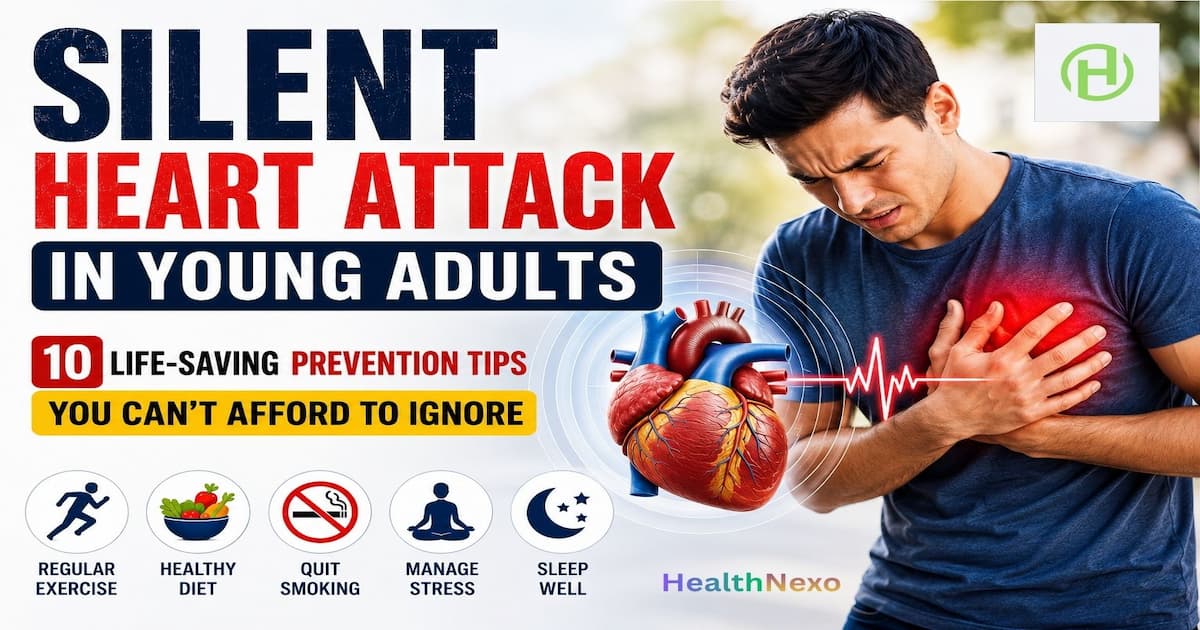
A silent heart attack in young adults usually occurs when blood supply to the heart is partially or completely blocked without causing any obvious symptoms. Many young people may misunderstand the symptoms and take them for just as stress, fatigue, indigestion or lack of sleep, because the warning signals may be very mild and can be ignored easily. As a result, delayed diagnosis can lead to an increased possibility of causing permanent damage to the heart muscles. The World Health Organization reports that heart disease is one of the major reasons for deaths worldwide. Several studies conducted within the recent years have revealed that the tendency toward cardiac attacks has been growing among young people aged below 40 years.
In this article, we discuss the symptoms, causes, diagnosis, prevention tips, and treatment options for hidden coronary problems in young people.
Silent heart attack in young adults
Hidden heart attacks are defined by a blockage of the flow of blood to the muscles of the heart with no signs and early signals observed. The younger generation tends to ignore physical indications as they ‘do not feel like something serious at all’.
Key facts about hidden heart attack:
Symptoms may be very mild or absent
- Often confused with acidity or fatigue
- Damage may only be discovered later
- It can lead to permanent heart muscle injury.
- May increase future complications of cardiac events.
Mechanism of Myocardial Infarction
The most common biological pathway is:
Atherosclerosis → Plaque rupture → Blood clot → Low blood flow → less oxygen supply → Injury to heart muscle.
Step-by-step process:
- LDL cholesterol is accumulated in the arteries
- Chronic inflammation weakens the vessel lining.
- Plaque becomes unstable
- Rupture triggers blood clot formation
- Blood flow to heart muscle is reduced or blocked.
In silent myocardial infarctions, blockage may be partial or gradual, and pain signals may not be strongly activated.
Why Heart Attacks Are Increasing in Adults Under 40
The modern lifestyle is the main reason for a high incidence of heart complications amongst young people.
Major Causes of Silent Heart Attack:
- Junk food and unhealthy diet
- Lack of physical activity
- Cigarette smoking and vaping
- Constant stress
- Insomnia or sleep deprivation
- Diabetes and obesity
- High Cholesterol
Scientific Causes behind hidden myocardial infarction
Key Scientific Causes:
1. Chronic Systemic Inflammation
With persistent inflammation, the lining of the blood vessels may be damaged and plaque may form. CRP, IL-6 and TNF-alpha may be considered appropriate markers of arterial stiffness.
2. Endothelial Dysfunction
Dysfunction of the endothelial lining leads to reduction in the amount of nitric oxide available. This leads to bad blood flow and coagulation. It is highly associated with smoking, diabetes, stress and diet.
3. Insulin Resistance and Metabolic Syndrome
If you have insulin resistance plus hyperglycemia, hypertriglyceridemia, visceral fat, hypertension, and inflammation, then overweight people are at very high risk of developing CHD.
4. Stress and Cortisol
Continuous chronic stress may lead to excessive production of cortisol and adrenaline through activation of both the sympathetic nervous system and the HPA axis. Then it triggers hypertension, increased blood flow, and vascular damage associated with inflammation.
5. Nicotine and Smoking
Nicotine constricts the blood vessels, produces free radicals and causes platelet aggregation. Carbon monoxide is produced during the process of smoking, and it inhibits the delivery of oxygen through the blood.
6. Sleep Deprivation
Lack of sleep is related to increased insulin resistance, blood pressure variability, cortisol and inflammation.
Symptoms of silent heart attack
The physical conditions of heart can be relatively minor and easy to overlook.
Common signs of illness include:
- Minor pressure or tightness in the chest area
- Difficulty breathing
- Fatigue or sudden weakness
- Lightheadedness or dizziness
- Cold sweats
- Indigestion or nausea
- Discomfort in jaw, neck, shoulder, or arms
These effects might be less prominent in women and individuals with diabetes.
Silent Heart Attack Diagnosis
There are numerous diagnostic procedures that doctors use to detect the symptoms of heart diseases, such as damaged heart muscles, blockages in arteries of the heart and malfunctioning heart.
1. ECG (Electrocardiogram): An ECG records the electrical activity of the heart.
It helps detect:
- Irregular heart rhythm
- Reduced blood supply
- Previous silent cardiac episode
- Signs of damaged heart muscles
2. Blood Tests: Blood tests assist in determining heart muscle injury.
- Troponin Test: Levels of troponin increase when heart muscle cells are damaged.
- NT-proBNP Blood Test: It helps determine stress on the heart and heart failure risk.
3. Echocardiogram: It utilizes ultrasonic waves to form pictures of the heart.
It assists the doctor in assessing:
- Heart pumping strength
- Valve function
- Heart muscle damage
- Blood flow efficiency
4. Stress Test (Treadmill Test): This measures the activity of your heart when you are being physically active.
It can identify:
- Reduced blood flow
- Hidden artery blockage
- Abnormal heart responses during exercise
5. Coronary Angiography: In this imaging test, blocked coronary arteries are viewed using dye and X-rays.
It helps determine:
- Location of blockage
- Severity of narrowing
Best treatment option
Best ways to prevent heart disease
Undetected heart attacks in young individuals are almost preventable with lifestyle changes in younger life. Just simple, consistent changes can significantly reduce the chances of heart complications and improve your health. Here are ten tips to get you where you want to be:
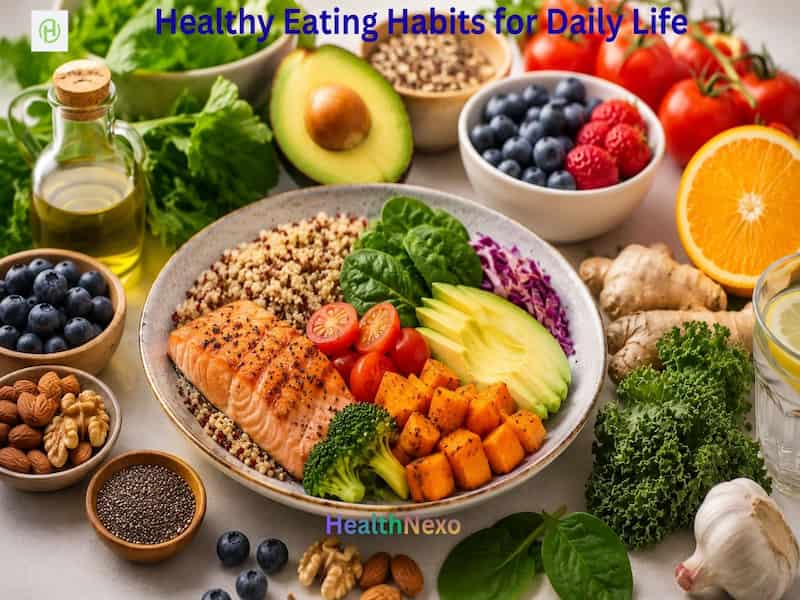
1. Healthy Eating Habits for Daily Life: Anti-Inflammatory Nutrition
The best eating habit for your cardiovascular health is a crucial component of good health. To live a life free of cardiac disorder, one has to be very careful in one’s diet. An unhealthy diet can increase cholesterol buildup inside the arteries, causing what is known as a “silent” heart attack.
What to take:
- Fresh fruits and vegetables
- Whole grain food items such as brown rice, oats, and whole wheat.
- Healthy fats that include nuts, seeds, and olive oil
- Foods high in fiber content.
What to avoid:
- Fried and greasy foods
- Fast foods and other snack items
- Highly sugary foods and soft drinks
- Trans fats and packaged foods.
2. Daily Fitness Habits: Cardiovascular Adaptation
Consistent exercise can promote good circulation of the blood in your heart. On the other hand, inactivity is a serious problem for cardiac health in young adults.
Scientifically Recommended Target:
- 150 minutes moderate exercise weekly or 75 minutes vigorous activity weekly
- Aerobic and resistance training both provide cardiac advantages.
- 30 minutes brisk walking daily
- Cycling or jogging
- Swimming or light cardio workouts
- Exercise helps reduce obesity, stress, and cholesterol levels.
3. Healthy weight maintenance strategies
Extra weight puts more strain on the heart. it develops diabetes gradually and increases blood pressure, which is the main cause of artery blocks.
Benefits of healthy weight:
- Lowers cholesterol levels
- Reduces blood pressure
- Improves heart efficiency
- Even small weight loss can improve heart function significantly.
4. Quit Smoking Gradually
Smoking is the most significant single factor for heart complications. It has damaging effects on the blood vessels and reduces oxygen supply to the heart.
Effects of smoking:
- Increases artery blockage
- Raises blood pressure
- Promotes clot formation
You will significantly lower the chance of developing physical discomforts from blocked arteries by avoiding smoking.
5. Reduce stress and anxiety: Nervous System Regulation
Frequent stress has a large effect on heart pumping and causes heart problems at a young age.

Stress management techniques:
- Meditation
- Yoga
- Deep breathing exercises
- Regular relaxation time
Stress control is essential for preventing silent myocardial infarction.
6. Better sleep quality
When there is inadequate sleep and, as a result, inability of the heart to perform, hormone regulation consequently leads to Cardiac Disorder.
Ideal sleep habits include:
- 7–8 hours of sleep daily
- Fixed sleep schedule
- Avoid screens before bedtime
7. Healthy Hydration Habits
Blood circulation, as well as a healthy heart, requires a proper amount of purified water. Without a good amount of water, the heart will pump a lot to achieve the required circulation.

Here are some tips:
- Consume lots of water throughout the day
- Avoid excessive consumption of caffeine
- Hydration while working out
8. Limit alcohol consumption
Large amounts of alcohol used over a period of time will damage heart muscles and also increase blood pressure in artery walls.
Vulnerability of alcohol:
- Weakens heart function
- Increases blood pressure
- Raises triglyceride levels
Limiting alcohol supports long-term heart wellness.
9. Basic health screening test
Regular check-ups under the supervision of doctors can alert you to possible heart troubles before they grow complicated.
Early adults with dangerous factors should monitor:
- Blood pressure check
- Lipid profile
- Blood sugar test
- HbA1c
- Body composition
- ECG if an early signal appears
10. Know family medical history
Genetics is a potential harmful factor for heart-related illness. If you have a family history like heart blockage, heart attack, heart valve complications, then prevention strategies are even more important at an earlier age.
Why it matters:
- Higher inherited possibility of heart related disease
- Need for early lifestyle changes
Medications for heart attack treatment
If you are taking certain medication that helps to improve the blood flow, decrease blood pressure, reduce the chance of blood clot formation, and avoid any further attacks. Make sure that you always talk to your doctor for concerns about your heart health conditions.
1. Antiplatelet drugs: Antiplatelets do not allow platelets to clump and form blood clots in your arteries.
- Example: Aspirin and Clopidogrel.
2. Statins: Statins control the level of cholesterol and prevent the formation of plaque on the walls of the arteries.
- Example: Atorvastatin and Rosuvastatin.
3. Beta blockers: Beta-blockers work in reducing your heart rate and blood pressure to make your heart function more effectively.
- Example: Metoprolol and Atenolol.
4. ACE inhibitors/ABs: Drugs of this kind relax blood vessels to the extent that circulation of blood in it enhances.
- Examples: Enalapril and Losartan.
5. Nitrates: Nitrates, which make blood vessels bigger, and then the blood can deliver more oxygen to the heart.
- Examples: Nitroglycerin.
6. Anticoagulant drugs: More potent blood thinners which may be given in specific circumstances.
- Examples: Heparin and Warfarin (for specific cases).
When to seek medical help:
Contact your doctor immediately if you develop:
- Chest pain and/or chest pressure
- Breathlessness
- Pain radiating from the chest to the arms, jaw, neck, and/or back
- Fainting and/or lightheadedness
- Chills and/or cold sweat
- Profound fatigue or exhaustion
- Arrhythmia
Never neglect a symptom involving your heart.
Key Takeaway
Nowadays, there has been quite a large incidence of silent heart attack in young adults and high levels of stress, food habits, smoking and exercise are a risk for heart attack. Awareness about signs and symptoms of heart attack and a lifestyle healthy for heart is only a way to prevent heart attack.
This content is general, and not as information on diagnosis, or advice, or any treatment.
Frequently Asked Questions (FAQs)
Q1. What is a silent heart attack in young people?
A silent heart attack is one that happens with either no or non-typical symptoms. Many individuals have the symptoms but mistakenly attribute them as being stress or tiredness, or possibly acidity, or minor aches and pains.
Q2. What are common silent heart attack symptoms?
Some health signs that may appear are mild chest pain, fatigue, light-headedness, breathlessness, nausea, aches and pains of the upper body.
Q3. What causes heart attacks at a young age?
There are 6 risk factors. They include poor dietary habits, inadequate physical activities, smoking, stress, obesity, and high blood cholesterol levels.
Q4. How can I minimize the possibility of developing heart disease?
Reduce the chances of contracting heart disease through a good diet, exercise, nonsmoking, stress management, proper weight control, and frequent doctor visits.
Q5. What are the symptoms of blocked arteries?
This may manifest as chest pressure, difficulty breathing, feeling dizzy, and feeling fatigued and irregular heartbeats.
 Medical Disclaimer
 Medical Disclaimer
The information provided in this article is for educational and informational purposes only. It is not intended to be a substitute for professional medical advice, diagnosis, or treatment. Always consult a qualified healthcare professional before making any medical decisions, starting any treatment, or changing your current healthcare plan.
Tags:

Md. Rakibul Hasan, BSc (Hons), MS (Thesis)
Biochemistry & Molecular Biology, University of Chittagong, Bangladesh
Senior Biochemist | Health Content Writer | Evidence-Informed Health Information Creator
Popular Diagnostic Centre Limited, Bangladesh.
He specializes in clinical biochemistry, laboratory diagnostics, and medical testing. Alongside his professional work, he is actively involved in health education and scientific communication.
As a Health Content Writer and Research-Based Health Information Creator, he simplifies complex medical and biochemical topics into clear, evidence-informed, and reader-friendly health information.

2 thoughts on “Silent Heart Attack in Young Adults: 10 Life-Saving Prevention Tips You Can’t Afford to Ignore”