
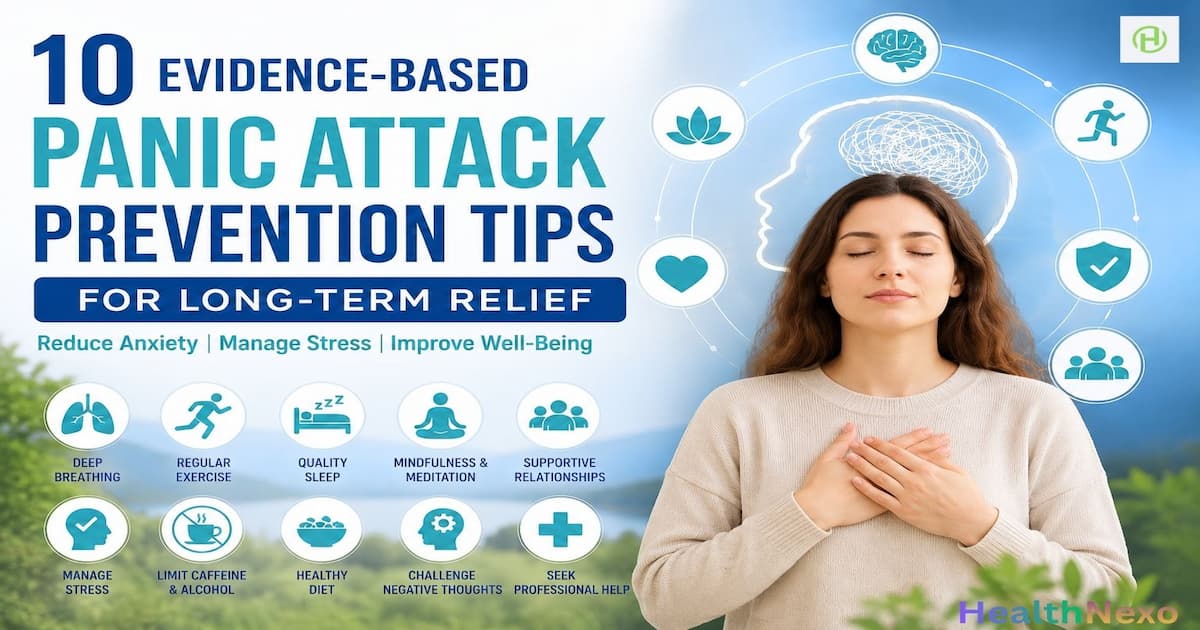
Panic attack prevention tips can assist you in minimizing the frequency and severity of panic attacks. They can help improve emotional well-being, reduce anxiety, and support better overall health. If you or someone you know suffers from panic attacks, learning how to prevent and manage them is an important step toward long-term recovery.
Panic attacks can cause a rapid heartbeat, shortness of breath, shaking, sweating, dizziness, and an overwhelming fear of losing control. The good news is that panic attacks can often be managed with healthy lifestyle habits, stress management techniques, therapy, and other evidence-based coping strategies.
Within this guide, you will learn 10 panic attack prevention tips that are supported by research. You’ll also find out about common triggers, coping methods, and treatments to control and prevent additional attacks.
Understanding Panic Attacks: How They Happen
A panic attack is a sudden episode of intense fear that occurs even when there is no real danger or immediate threat. This happens as a result of your body’s fight-or-flight response going haywire. Consequently, you could feel that you are in immediate danger even when you are well and good.
The vast majority of anxiety attacks peak after only 5 to 10 minutes. At this stage, your brain is interpreting a benign situation as a threat, setting your stress response in motion.
Scientific Mechanism:
Trigger or stress → Amygdala activation → Fight-or-flight response → Adrenaline release → Physical symptoms → Increased fear → Panic attack
Common Symptoms of a Panic Attack
An episode of panic usually starts spontaneously and peaks within five to ten minutes. There can be multiple mental and physical symptoms.
Physical Symptoms:
- A fluttering or fast heartbeat
- Chest pain or chest discomfort
- Breathing difficulties
- Sweating or trembling
- Lightheadedness or dizziness
- Tingling or nausea
Emotional Symptoms:
- Extreme terror or fear
- Fear of death or losing control
- Disconnected from reality
- Having trouble focusing
Underlying Causes of Panic Attacks
Panic attacks occur when the brain mistakenly interprets a safe situation as a threat, triggering the body’s fight-or-flight response. It activates the fight-or-flight response in the body, leading to severe physical and emotional reactions.
Common causes and risk factors:
- Hyperactive amygdala: An overactive amygdala may mistakenly send danger signals, triggering a panic attack.
- Exaggerated fight-or-flight response: A hypersensitive threat response can trigger a fast heart rate, difficulty breathing, sweating, and fear.
- Balance of brain chemicals: Levels of brain chemicals (serotonin, norepinephrine, and GABA) can increase the likelihood of panic attacks.
- Chronic stress or trauma: A prolonged exposure to stress, trauma, or significant life changes in either personal or professional life can predispose the brain to heightened states of fear and anxiety.
- Family history: A family history of panic disorder or another anxiety disorder increases the likelihood of you getting panic disorder.
- Stimulants: Certain medications, medical conditions, or stimulants such as excessive caffeine may increase anxiety and trigger panic attacks in some people.
Recognizing these causes would help one identify personal triggers and employ effective panic attack prevention tips to minimize the possibility of such attacks in the future.
Why Prevention Matters
Healthy lifestyle choices and evidence-based coping strategies can help prevent panic attacks and improve overall mental well-being. Practicing these strategies consistently may reduce the frequency of panic attacks and improve your ability to manage stress.
Benefits of Panic Attack Prevention:
- Helps reduce the frequency and severity of panic attacks
- Reduces overall levels of tension and anxiety
- Enhances emotional resilience and coping strategies
- Promotes better sleep quality
- Helps manage panic symptoms with confidence
- Helps you maintain your mental health over the long-term.
Expert Opinion: The National Institute of Mental Health (NIMH) describes panic disorder as highly treatable. The best treatment usually consists of CBT, lifestyle changes and medication only if required.
10 Evidence-Based Panic Attack Prevention Tips
They are simple, practical, and evidence-based panic attack prevention tips that you can introduce into your everyday life. These 10 panic attack prevention strategies, which you can read today, have all been shown to work at least for some panic attack sufferers.
1. Identify and Manage Your Triggers
A perfect panic attack prevention tip is to figure out what triggers your attacks. By understanding your triggers, you can avoid or reduce exposure to the factors that bring on a panic attack.
Tip: Write in a journal or use a note app to highlight your panic and symptoms, and note things that may trigger them. This helps in identifying patterns and handling future attacks in a better way.
How It Helps:
Find a trigger → Lower exposure → Lower amygdala activation → No adrenaline → No panic attack
2. Practice Deep Breathing Exercises Daily
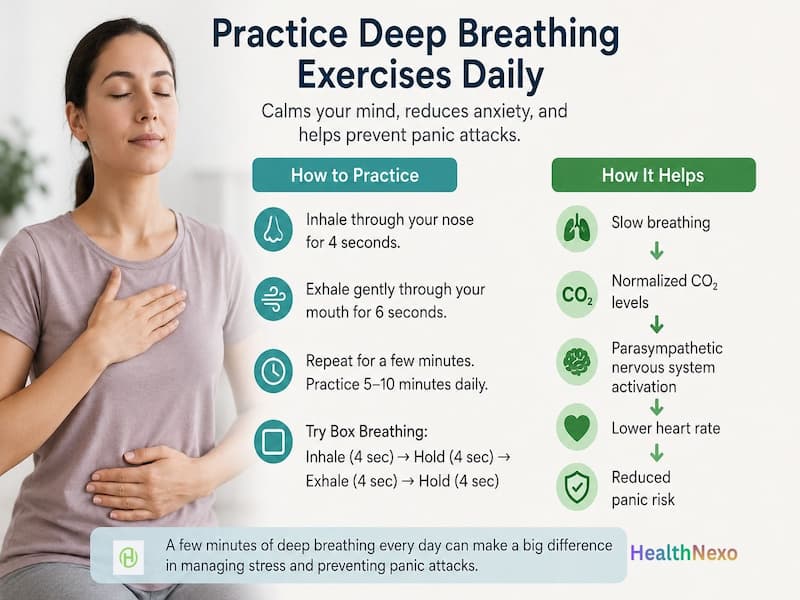
One of the best panic attack prevention tips is deep breathing. It is the cure to ease your body’s fight-or-flight response, ease your anxiety and relaxation.
How to Practice:
- Slowly breathe in through your nose for 4 seconds
- Release gently out of your mouth as you breathe out for 6 seconds
- Repeat a few times until you are feeling calmer
- Do this for 5 – 10 minutes a day.
Another option for you is box breathing: Breathe in (4 sec) → Breathe hold (4 sec) → Breathe out (4 sec) → Hold your breath (4 sec).
How It Helps:
Slow breathing → Normalized CO₂ → Activation of the parasympathetic nervous system → Lower heart rate → less chance of panic
3. Get Physical Activity in Your Routine
Regular exercise is a natural stress reliever, helps in anxiety management, and works wonders for both physical and mental health. It also helps regulate your body’s stress response, elevates your mood and equips you to face difficult situations with greater resilience. Exercise may also reduce the risk of subsequent panic attacks.
Best Exercises:
- Brisk walking
- Jogging
- Cycling
- Swimming
- Yoga
- Strength training
Aim for at least 150 minutes of moderate-intensity exercise per week. If you are a complete beginner, start with 15 to 20 minutes per day.
How It Helps:
- Increased endorphins in response to regular exercise
- lowered rates of cortisol
- Improved emotional regulation
- lowered risk of panic attacks
Finding: Research suggests that regular aerobic exercise may help reduce anxiety symptoms.
4. Prioritize High-Quality Sleep
Adequate good sleep regulates hormones that induce stress, anxiety, and depression while enhancing emotional balance. Having a regular sleep schedule decreases the levels of stress in your body, enhances your mood, and decreases the risk of panic attacks. Sleep deprivation, on the other hand, tends to increase anxiety and will also increase the probability of experiencing panic attacks.
Healthy Sleep Habits:
- Keep a regular sleep routine in bed and awake
- Skip caffeine in the afternoon.
- Avoid screens for at least 30–60 minutes before bedtime.
- Keep your bedroom cool, quiet and dark.
- Refrain from eating a substantial meal shortly before bedtime.
- Sleep 7–9 hours per night as an adult.
5. Minimize or Eliminate Caffeine, Alcohol, and Nicotine
For some individuals, caffeine, alcohol, and nicotine produce or exacerbate anxiety and panic symptoms. If you find that these substances aggravate your symptoms, then consider limiting or avoiding them. Reducing their use might lessen chances of future panic attacks and enhance calmness overall.
Common Effects:
- Caffeine: Can cause a racing heart, jitters, or heightened anxiety, particularly in sensitive people.
- Alcohol: Can disrupt sleep and can worsen anxiety.
- Nicotine: Also, nerve stimulants may heighten anxiety.
If you discover these trigger symptoms, gradually reduce the amount of intake.
6. Practice Mindfulness and Meditation Daily
Mindfulness helps you become more aware of your thoughts without judging them, making it easier to stay focused on the present moment. Performing it regularly over time can also lead to reduced stress levels, better emotional control, and reduced frequency of panic attacks.
Simple Techniques:
- Spend at least 5–10 minutes a day concentrating on your breathing.
- Watch your thoughts without being critical of them.
- 5-4-3-2-1 Grounding Technique during an Anxiety Attack
How It Helps:
Mindfulness practice → Less activity in the amygdala → Improved emotional regulation → Less anxiety → Fewer panic attacks
Evidence: Research indicates that mindfulness-based interventions can decrease symptoms of anxiety and enhance emotional regulation.
7. Challenge Negative Thoughts with Cognitive Behavioral Therapy (CBT)
One of the most effective treatments for panic disorder is Cognitive Behavioral Therapy or CBT. It helps you recognize and replace negative thought cycles that can bring on or escalate panic attacks.
Simple CBT Strategies:
- Ask yourself: “What evidence supports this fear?”
- Stop the catastrophizing and the black or white thinking.
- Panic attacks don’t last, by reminding yourself that this, too, shall pass.
- Keep a journal to identify negative thought patterns and challenge them with more balanced thinking.
Quick tip: Cognitive behavioral therapy (CBT) is the most effective treatment for panic disorder, according to the American Psychological Association.
8. Choose Nutrient-Rich Foods
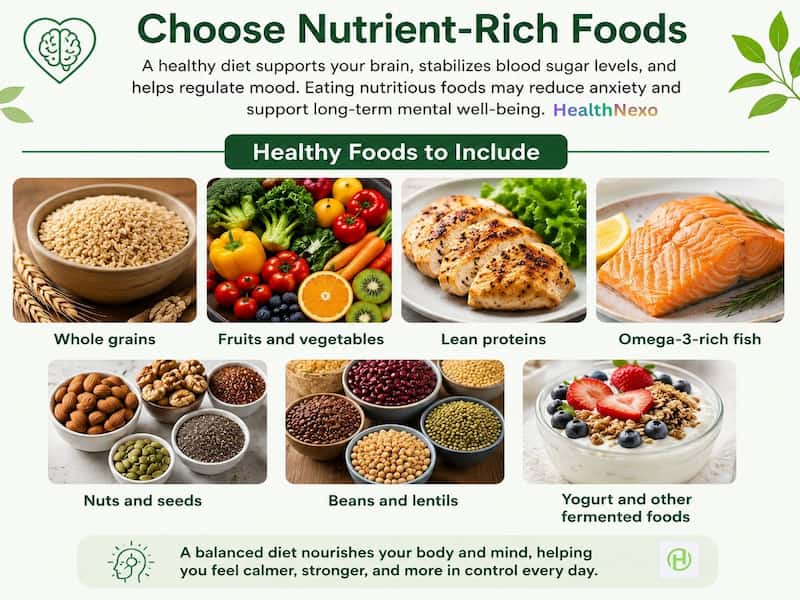
A healthy diet is beneficial for the brain, stabilizes blood sugar, and is helpful for mood stabilization. Consuming whole and healthy food may ease anxiety and improve overall mental health in the long term.
Healthy Foods to Include:
- Whole grains
- Fruits and vegetables
- Lean proteins
- Omega-3-rich fish
- Nuts and seeds
- Beans and lentils
- Yogurt and other fermented foods
Best Tips: Stay well hydrated and avoid processed foods, sugary beverages, and other foods that might make your symptoms worse.
How It Helps:
Balanced meals → Stable blood sugar → Better brain function → Improved mood → lower risk of panic symptoms
9. Stay Connected with Supportive People
Having help from your family, friends or a mental health professional can really make a world of difference. This makes you feel less alone, bolsters confidence, and makes panic attacks more manageable.

How It Helps:
Social support → Physical safety→ Lower stress → better emotional resilience→ reducing the risk of experiencing panic attacks.
10. Seek Professional Help When Needed
If your panic attacks are happening more frequently or getting worse, get help. There are some that might affect your daily life. Do not turn a blind eye to them. A healthcare provider or mental health professional can pinpoint the underlying issue, suggest appropriate therapy, and answer questions about how to alleviate your symptoms.
Treatment Options:
- Cognitive Behavioral Therapy (CBT)
- Exposure therapy
- Stress management techniques
- Relaxation training
Medications for Panic Attacks
Medication may be prescribed to treat frequent or severe panic attacks. Take medications only as prescribed by your healthcare provider.
1. Selective Serotonin Reuptake Inhibitors (SSRIs): SSRIs are the primary medications used for long-term management of panic disorder.
- Examples: Sertraline, Escitalopram, Fluoxetine and Paroxetine.
How they work: Raise serotonin level which helps boost mood; can be effective for anxiety and panic attacks.
2. Serotonin-Norepinephrine Reuptake Inhibitors (SNRIs): SNRIs are sometimes indicated when SSRIs are inappropriate.
- Example: Venlafaxine.
What they do: Raise serotonin and norepinephrine and facilitate emotional regulation and panic symptom reduction.
3. Benzodiazepines: They offer immediate, short-term release from severe panic attacks. They are usually only prescribed for short term use, because they may be habit forming.
- Examples: Clonazepam, Lorazepam, and Alprazolam.
Role in Anxiety: They enhance the intoxicating effects of GABA to result in fast-acting relief from anxiety.
4. Other Medications: Sometimes your doctor will give you beta blockers to treat physical symptoms like a fast heartbeat or trembling.
Important Caution: Never start, stop or alter any medications without your healthcare provider. Medication is most effective in conjunction with behavioral therapies (CBT) and healthful lifestyle habits.
When to Seek Emergency Medical Care
The following symptoms require immediate medical attention:
- Chest pain that is intense or that travels to your arm, jaw, shoulder, or back
- Shortness of breath that does not improve
- Loss of consciousness, seizures, a sudden confused state, or weakness
- Thoughts of self-harm or suicide
Note: Do not assume that it is a panic attack if there is chest pain or trouble breathing. If you are unsure whether your symptoms are caused by a panic attack or a medical emergency, seek emergency medical care immediately.
Key Takeaways
These panic attack prevention tips may help: habits as simple as knowing your triggers, taking deep breaths, managing stress, sleeping well, exercising regularly, and eating a healthy diet support the mental state of mind. Contact a mental health professional if you find that panic attacks are happening frequently or affecting your day-to-day life. CBT is one of the major types of treatments available and typically involves a combination of CBT, medication (if necessary), and lifestyle changes.
Implement these panic attack or panic disorder prevention tips today, and learn how to become more resilient and less anxious, while lowering your risk of future panic attacks.
Frequently Asked Questions (FAQs)
Q1. Can panic attacks be prevented completely?
Not always. Nonetheless, the incidence and severity of panic attacks can be mitigated by maintaining appropriate habits, managing stress, and seeking professional treatment.
Q2. What is the best way to avoid panic attacks?
The most effective ways to prevent panic attacks include identifying triggers, practicing deep breathing, getting enough sleep, exercising regularly, limiting caffeine, and managing stress.
Q3. How can you quickly stop a panic attack?
Deep, slow breaths, 5-4-3-2-1 grounding technique, and remembering that these sensations are completely normal and all will be well.
Q4. Can breathing exercises help prevent panic attacks?
Yes. Deep breathing on a regular basis is also good to soothe your nervous system, and help prevent another panic attack.
Q5. Does caffeine increase the risk of panic attacks?
Yes. High caffeine intake can increase anxiety and may trigger panic attacks in some individuals.
Q6. Can panic attacks improve without medication?
Yes. A lot of people endure panic attacks through lifestyle adjustments and Cognitive Behavioral Therapy (CBT).
Q7. When to see a doctor for panic attacks
If you experience frequent, severe, and/or disruptive panic attacks, visit a healthcare provider.
Q8. Is exercise good for preventing panic attacks?
Yes. Exercise is a great way to take the edge off stress, feel better, and perhaps even stave off coming panic attacks from happening in the future.
References
- National Institute of Mental Health (NIMH). Panic Disorder.
- Mayo Clinic. Panic Attacks and Panic Disorder: Symptoms and Causes.
- National Health Service (NHS). Panic Disorder.
- Cleveland Clinic. Panic Attacks: Symptoms, Causes & Treatment.
- American Psychological Association (APA). Clinical Practice Guideline for Anxiety Disorders.
- American Psychiatric Association. Practice Guideline for the Treatment of Patients with Panic Disorder.
- National Center for Biotechnology Information (NCBI). Panic Disorder (StatPearls).
- Cochrane Library. Psychological Therapies for Panic Disorder in Adults.
 Medical Disclaimer
 Medical Disclaimer
The information provided in this article is for educational and informational purposes only. It is not intended to be a substitute for professional medical advice, diagnosis, or treatment. Always consult a qualified healthcare professional before making any medical decisions, starting any treatment, or changing your current healthcare plan.
Tags:

Md. Rakibul Hasan, BSc (Hons), MS (Thesis)
Biochemistry & Molecular Biology, University of Chittagong, Bangladesh
Senior Biochemist | Health Content Writer | Evidence-Informed Health Information Creator
Popular Diagnostic Centre Limited, Bangladesh.
He specializes in clinical biochemistry, laboratory diagnostics, and medical testing. Alongside his professional work, he is actively involved in health education and scientific communication.
As a Health Content Writer and Research-Based Health Information Creator, he simplifies complex medical and biochemical topics into clear, evidence-informed, and reader-friendly health information.
2 thoughts on “10 Evidence-Based Panic Attack Prevention Tips for Long-Term Relief”