
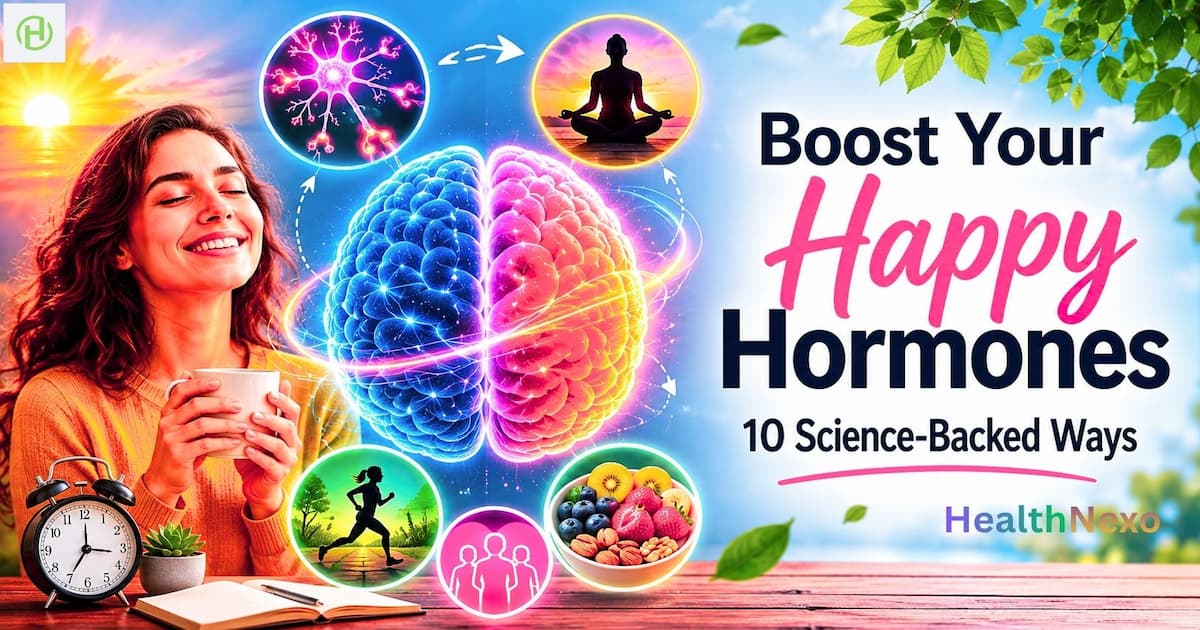
Boost your happy hormones by following many science-based natural ways, such as managing stress, reducing stress hormone production, and promoting natural happiness and motivation etc. Positive hormones are scientifically proved to affect a lot of areas of life, feelings and ability to cope with prolonged stress and how one feels in general. We know from neuroscience studies and research that there are four main “feel good” neurochemicals, and they are serotonin, endorphins, oxytocin and dopamine.
Studies also have demonstrated the effect of GABA and rhythmicity, diversity in our gut microbiome, and prefrontal-limbic connections on our happy emotions. Unhealthy habits including lack of sleep, processed foods, long periods of computer use and chronic stress could result in a lack of happy hormones which has an effect on mental health.
In this article, we will explore 10 advanced science-backed ways to boost your happy hormones, improve emotional stability, reduce stress, and create overall happiness.
Happy Hormones Explained: The science of happiness and mindset
Mood-boosting hormones are neuropeptides and neurotransmitters that control how we feel about everything. They also dictate our levels of motivation and stress, emotional happiness and reward behavior, our interaction with other people, and in fact they are controlled heavily by areas like the hypothalamus, limbic system and the prefrontal cortex of the brain.
Main Happy Hormones
- Dopamine: It helps with reward prediction, increases motivation for goals (made in VTA, has effect on nucleus accumbens)
- Serotonin: It is involved in emotional stability, mood, and sleep (is related to the raphe nuclei and brain gut connection)
- Endorphins: They are naturally occurring peptides related to opioids, associated with pain relief, a reduction in stress by activating opioid receptors.
- Oxytocin: This hormone associated with social bonding, attachment and trust (it’s also implicated in reducing amygdala activation)
Key Insight
Recent research suggests that low gut microbial diversity is directly linked to increased levels of anxiety and reduced dopamine signaling.
Effects of Happy Hormones on Emotional Well-Being
When happy hormones are produced at too low a level, it will lead to stress, tiredness and a low mood, but when we keep the feel-good chemical level stable, then our mental well-being will be positive and excellent.
The effects of brain happiness chemicals include:
- Mood enhancement and emotional balance
- Higher motivation and levels of productivity
- Lower levels of stress and anxiety
- Better sleep quality
- Improved bonding and trust among individuals
- Better focus and mental clarity
- Feelings of restfulness and peace
- Greater sense of satisfaction and enjoyment
- Higher levels of stress resilience
Overall, positive mental well-being and increased quality of life
Signs of Low Happy Hormones
A reduced amount of brain happiness chemicals (dopamine, serotonin, endorphins and oxytocin) may affect our mood, energy and emotions.
Some signs and symptoms associated with it:
- A pervasive low mood and sadness
- Apathy and lack of motivation
- Low energy and tiredness
- Irritability and restlessness
- Reduced concentration/Brain fog
- Insomnia
- Loss of enjoyment from regular activities
- Social withdrawal
10 Science-Backed Ways to Boost Your Happy Hormones
1. Exercise on a daily basis (Now Known: Myokine Effect on Brain)
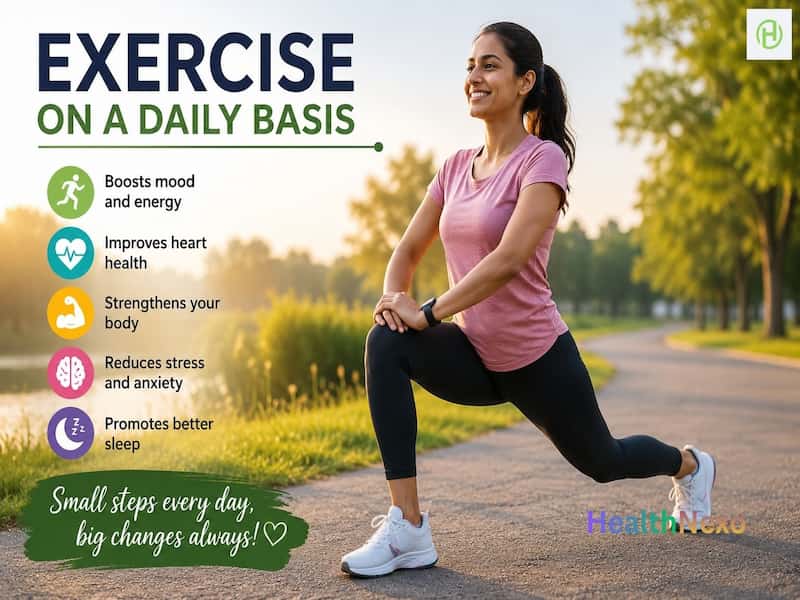
Regular physical exercise is the strongest and most potent way to boost your happy hormones by providing mental health benefits by elevating endorphins, dopamine, serotonin and oxytocin that enhance the regulation of the brain’s mood and stress circuits.
The BDNF is increased, which helps to promote brain growth and better memory and brain function. Exercise is beneficial to dopamine function and lowers stress hormones such as cortisol, and consequently anxiety and low mood.
Best evidence-based exercises:
- Brisk walking
- Cycling
- Swimming
- Resistance training
- Yoga
- Aerobic exercise
It may also be that a moderate amount of exercise, generally 150min/wk, could influence your mood, energy or mental status.
2. Get Morning Sunlight to Improve Serotonin
Light is able to have an influence on the rhythm of the body’s natural processes (circadian rhythms) and also on the releasing process of serotonin. Light on retina cells inside the eye can transfer signals to the brain, thus having an effect on serotonin and the circadian rhythm. Excessive light can even be beneficial in the morning in terms of serotonin levels and in the evening, in terms of melatonin levels, meaning the individual will sleep in adequate amounts and/or will have a normal and stable level of mood.
Practical tips:
- Spend 15–30 minutes outside once you wake up
- Go for an early walk in natural sunlight
- Open your windows and curtains earlier
- Have regular exposure to sunlight everyday
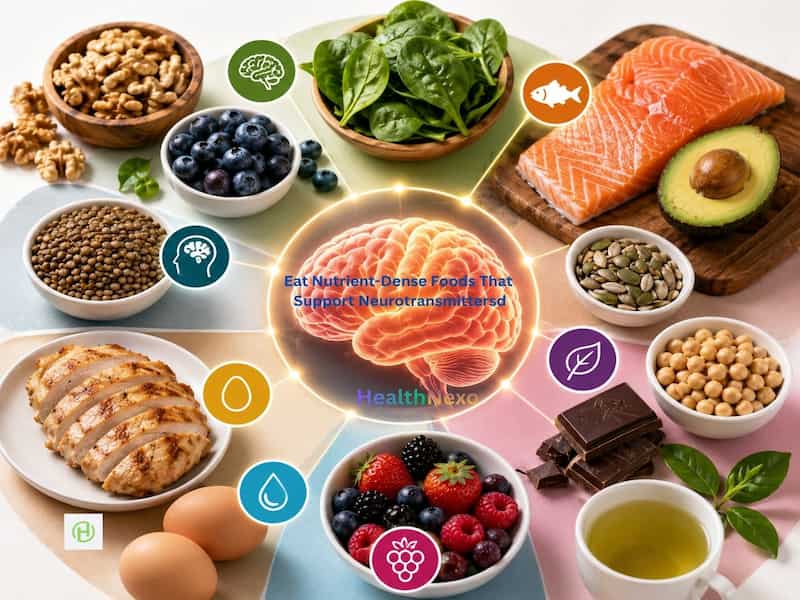
3. Eat Nutrient-Dense Foods That Support Neurotransmitters
It is important to consume appropriate amounts of amino acids, micronutrients such as vitamins and minerals, antioxidants, and fats so that you have enough neurotransmitters and hence happier hormones. Poor food sources will interfere with the signal which is sent between brain cells, consequently affecting your mood, emotion and motivation.
Key nutrients to boost your happy hormones:
- Tryptophan (Aids in serotonin synthesis): Eggs, milk, yogurt, bananas, turkey
- Tyrosine (Aids in dopamine synthesis): Fish, chicken, almonds, pumpkin seeds, avocados
- Omega-3 fatty acids (helps the brain to work properly): Salmon, sardines, walnuts, chia seeds
According to scientific research, the connection between the gut and the brain and the ability of the gut to regulate mood and a good part of our body’s serotonin is produced by the gut.
Healthy gut food:
- Yogurt and other fermented foods
- Fiber-rich fruits and vegetables
- Whole grain
4. Improve sleep quality naturally
Sleep is needed to maintain neurotransmitter balance, help regulate emotions, consolidate memory and overall brain function. The brain regenerates during deep sleep, and helps the mood-stabilizing hormones. Poor sleep can decrease dopamine and increase cortisol and contribute to emotional dysregulation and cause an inability to regulate emotions, as well as, increase the potential for anxiety, depression, fatigue, brain fog, irritation and a loss of drive.
Sleep improvement tips:
- Follow a schedule of sleep
- Avoid using your electronic devices in bed
- Avoid consumption of caffeine in the evening
- The room should be cool and dark enough when you sleep in it
- Practice stress reduction techniques before sleeping
On average, most adults’ need at least 7 to 9 hours of quality sleep to run physically and mentally.
5. Practice Meditation and Mindfulness
Neuroscience is the study of the brain and emotion and has developed to explain how meditation affects our minds. It is likely that consistent practice of mindfulness meditation can actually restructure the brain systems that are involved in mood and stress. Potential effects of meditation may include an increased sensitivity to serotonin, lower cortisol levels, an improved attention span and a general sense of relaxation in the nervous system.
Effective techniques:
- Guided meditation
- Box breathing
- Body scan meditation
- Mindful walking
- Thankfulness meditation
6. Relax with music that Stimulates Positive Emotions
Another area of the brain that seems to be quite sensitive to music is the reward system. Brain scans indicate that emotionally rewarding music elicits the same pattern of dopamine activation in the nucleus accumbens, ventral tegmental area, and the like as are typically thought to mediate pleasure and motivation.
Mood-boosting music habits:
- Calm music for relaxation
- Upbeat music for energy
- Instrumental music for focus
7. Build Social Connections for oxytocin Neurobiology
From ancient times, humans have been social beings and close social relationships can help boost your happy hormones and lead to an increase in oxytocin, which then encourages bonds to be strengthened, trust and empathy to increase and feelings of security and well-being. Another proposed function of oxytocin lies in reducing stress and anxiety and increasing stress resilience.

Good Social Behavior:
- Spending time with supportive people
- Attending social events and meetings
- Cultivating close friendships
- Having a discussion with the members of your family
- Positive physical touch (hugging)
8. Setting Goals and Rewarding Yourself for Small Successes
All of these processes, such as motivation, reward, and task-directed behavior, have dopamine in common, which is released upon reward for task completion. This neurotransmitter is released upon forward progress towards an important goal and in turn serves to fuel the energy and motivation to complete such tasks. Clear goal achievement, task completion and goal advancement lead to increases in mood and output.
Healthy goal examples:
- Consistent daily exercise routines
- Acquiring a new skill
- Establishing appropriate sleep patterns
- Systematic completion of tasks
9. Laugh More and Engage in Enjoyable Activities
There are many advantages to one’s health and well-being which can be achieved from laughter itself. Laughter leads to the production of endorphins, lowered cortisol levels, relaxed muscles, increased immunity and stimulated brain centers linked with the pleasure centers and socialization process.

Healthy enjoyment activities:
- Watching comedy or funny content
- Spending time with positive people
- Creative hobbies
- Playing games
- Outdoor activities
10. Practice gratitude daily to Strengthen Positivity
In recent positive psychology literature there is a wide evidence base for gratitude in practice and well-being. Its benefits for well-being would involve better mental health. Gratitude may even elicit neural pathways both within dopamine and serotonin pathways that play significant roles in moods and stability.
Simple gratitude practices:
There are 3 things that I am grateful for every single day:
- Reflect on positive experiences
- Express appreciation to others
- Making a regular habit of giving thanks
Foods That Support Happy Hormones
Boost your happy hormones and are positively affected by your food in a completely natural way. Whilst you have the basics of amino acids, vitamins, minerals and fats required, your food can also have effects on mood, energy, stress and emotional state.
Some foods supported by science are:
1. These amino acids, like tyrosine and tryptophan, which are contained in eggs, fish and poultry, help the body create dopamine and serotonin.
2. Bananas and fruits offer compounds which promote the production and utilization of serotonin and maintain your energy balance.
3. Seeds and nuts (almonds, walnuts, pumpkin seeds): These are great source of good fats and minerals necessary for optimal brain function.
4. Fatty fish (salmon, sardines): It consists of omega-3 fats that are beneficial for the functioning of neurotransmitters.
5. Fermented foods (yoghurt, kephir, kimchi): These are necessary to maintain proper health of the gut where serotonin is manufactured.
6. Dark chocolate: can be helpful in triggering the release of endorphins and thereby enhancing mood
7. Green Leafy Vegetables: They have good amounts of magnesium and folate that help in brain function.
Supplements for Happy Hormones
Here is a selection of supplements that could help your body to boost your happy hormones by supporting the production of serotonin, dopamine, oxytocin and endorphins. The supplements do not provide a quick fix, but can ensure the brain works well even if it has had problems.
Main Supplements
1. Vitamin D: Increases serotonin activity and could lead to improved mood and decreased fatigue.
2. Omega-3 fatty acids: Helps maintain brain cell functioning by promoting dopamine and serotonin signaling.
3. Magnesium: Helps reduce stress, induce feelings of relaxation, and enhance sleep quality.
4. B vitamins complex (Vitamin B6, B12, and folic acid): Needed for the production of dopamine and serotonin and also helps in balancing energy.
5. L-Tyrosine: Promotes dopamine synthesis and increases alertness.
6. L-Tryptophan / 5-Hydroxytryptamine (5-HTP): Increases serotonin production and leads to enhanced mood and sleep quality.
7. Probiotics: Improve gut health because serotonin production relies on the gut-brain axis.
Important Points
Some of the supplements probably may have drug interaction with your prescription medications, and they must be checked with your doctor before taking them.
Final Thoughts
Boost your happy hormones by realizing that being happy does not depend on any one particular hormone, but depends instead on the way you live your life, the way you sleep, eat, exercise, interact, and view the world. Although it might not make much difference right now in improving your emotional well-being through changing your habits slightly from what you do at present, in time, the brain and body get used to doing even just two new things each day. These four chemicals are called mood-boosting hormones.
The above information is for educational purposes only and should not replace professional advice, diagnosis, or treatment.
Frequently Asked Questions (FAQs)
Q1. What are happy hormones?
The main types of happy hormones include dopamine, serotonin, endorphins, and oxytocin, which are brain chemicals that affect one’s overall happiness.
Q2. How can I naturally boost happy hormones?
Some natural ways include exercise, proper sleep, sun exposure, diet, meditation, laughter, and social interactions.
Q3. Which hormone is most responsible for happiness?
In reality, there is not just one “happy” hormone. Those that people usually refer to the most are: dopamine, endorphins, serotonin, and Oxytocin.
Q4. How does meditation affect brain chemistry?
Meditation assists the body in relaxing the nervous system and can boost serotonin levels as well as decrease stress hormones.
Q5. Why are social relationships important for emotional health?
Social connections promote positive interactions and release oxytocin, thus decreasing stress, loneliness, and anxiety.
 Medical Disclaimer
 Medical Disclaimer
The information provided in this article is for educational and informational purposes only. It is not intended to be a substitute for professional medical advice, diagnosis, or treatment. Always consult a qualified healthcare professional before making any medical decisions, starting any treatment, or changing your current healthcare plan.

Md. Rakibul Hasan, BSc (Hons), MS (Thesis)
Biochemistry & Molecular Biology, University of Chittagong, Bangladesh
Senior Biochemist | Health Content Writer | Evidence-Informed Health Information Creator
Popular Diagnostic Centre Limited, Bangladesh.
He specializes in clinical biochemistry, laboratory diagnostics, and medical testing. Alongside his professional work, he is actively involved in health education and scientific communication.
As a Health Content Writer and Research-Based Health Information Creator, he simplifies complex medical and biochemical topics into clear, evidence-informed, and reader-friendly health information.

3 thoughts on “Boost Your Happy Hormones Naturally: 10 Science-Backed Strategies for Happiness”