
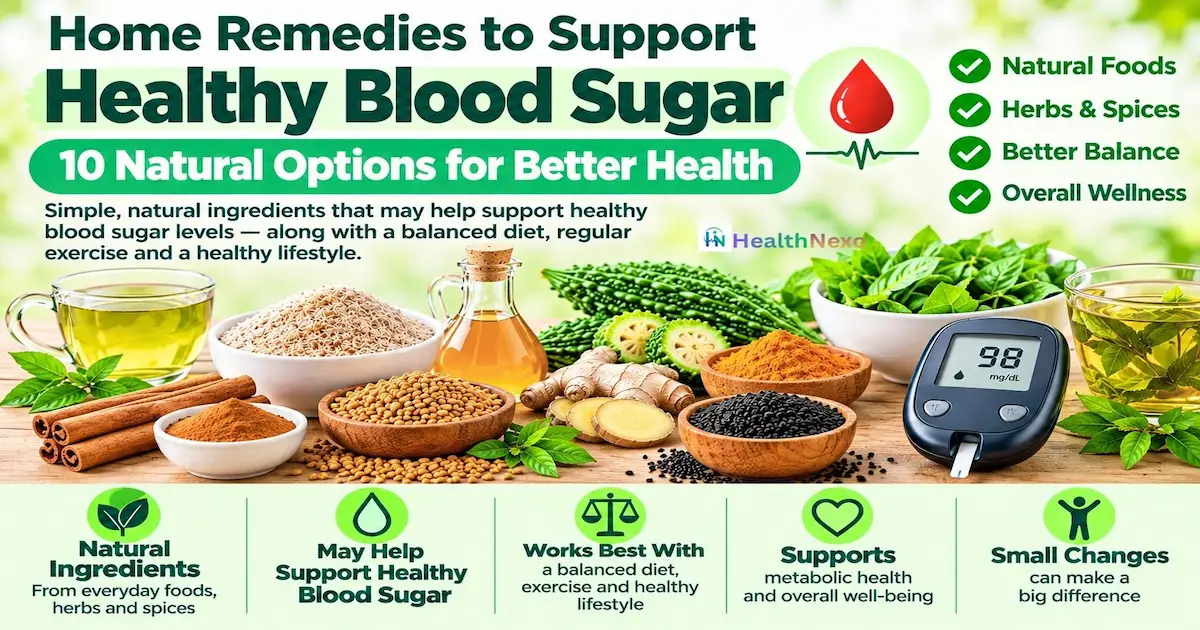
Maintaining healthy blood glucose levels supports metabolic health and may help reduce the risk of diabetes-related complications. Home remedies to support healthy blood sugar may offer modest benefits alongside a balanced diet, regular physical activity, adequate sleep, healthy weight management, and appropriate medical treatment.
In this article, “home remedies” refers to commonly used foods, herbs, spices, and natural products studied for their potential effects on blood glucose. However, concentrated supplements require greater caution. The ADA does not recommend herbs or spices as supplements for treating diabetes or achieving specific glycemic targets.
Quick Summary
- Psyllium: May help reduce fasting glucose and HbA1c through its soluble fiber content.
- Cinnamon: May improve fasting glucose and HbA1c, but evidence remains mixed.
- Fenugreek: May support fasting and post-meal glucose control.
- Apple Cider Vinegar: May modestly reduce short-term post-meal glucose responses.
- Berberine: Has substantial research showing potential benefits for glucose control but may interact with medicines.
- Ginger: May improve some glucose markers, although results vary.
- Bitter Melon: Shows promising effects on glucose and insulin-related markers, but evidence is still developing.
- Curcumin/Turmeric: May modestly improve glucose and insulin-sensitivity markers.
- Black Cumin: May reduce fasting glucose and HbA1c, but findings are heterogeneous.
- Green Tea: May have a small effect on fasting glucose, with limited evidence for HbA1c improvement.
Home Remedies to Support Healthy Blood Sugar
These natural options may provide modest support for blood sugar control when used alongside a healthy lifestyle and appropriate medical treatment. The evidence varies considerably among these options, and some may interact with medications.
1. Psyllium Husk
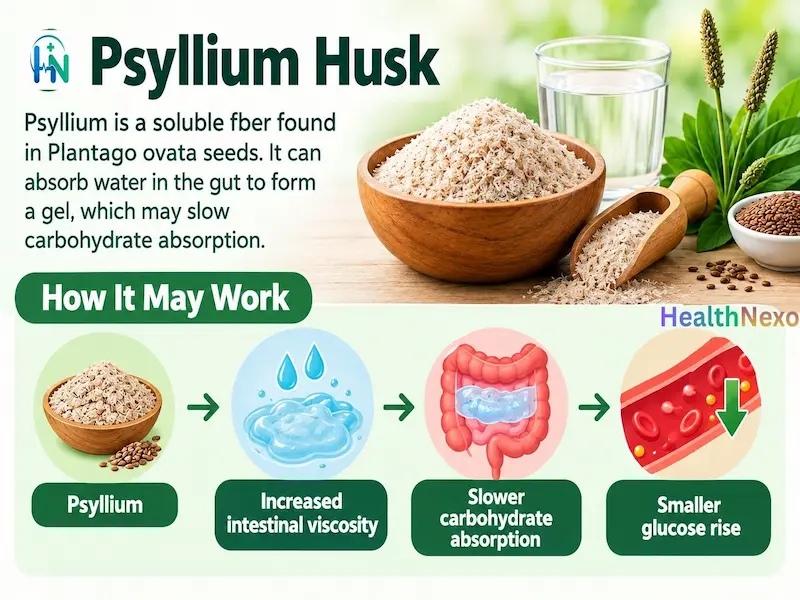
Psyllium is a soluble fiber found in Plantago ovata seeds. It can absorb water in the gut to form a gel, which may slow carbohydrate absorption.
How It May Work
- Psyllium → increased intestinal viscosity → slower carbohydrate absorption → smaller glucose rise
What the Research Shows
A GRADE-assessed meta-analysis in 2024 included 19 randomized controlled studies involving 962 participants. The comparison of psyllium with placebo showed:
- Fasting blood glucose: −6.89 mg/dL
- HbA1c: −0.75 percentage points
- HOMA-IR: −1.17
- Insulin: No significant difference
Practical Tip
Psyllium should be taken with sufficient water. Because fiber may affect the absorption of some medicines, people taking prescription drugs should ask a healthcare professional about appropriate timing.
Psyllium has relatively consistent evidence among the natural options discussed here, particularly for fasting glucose and HbA1c.
2. Cinnamon
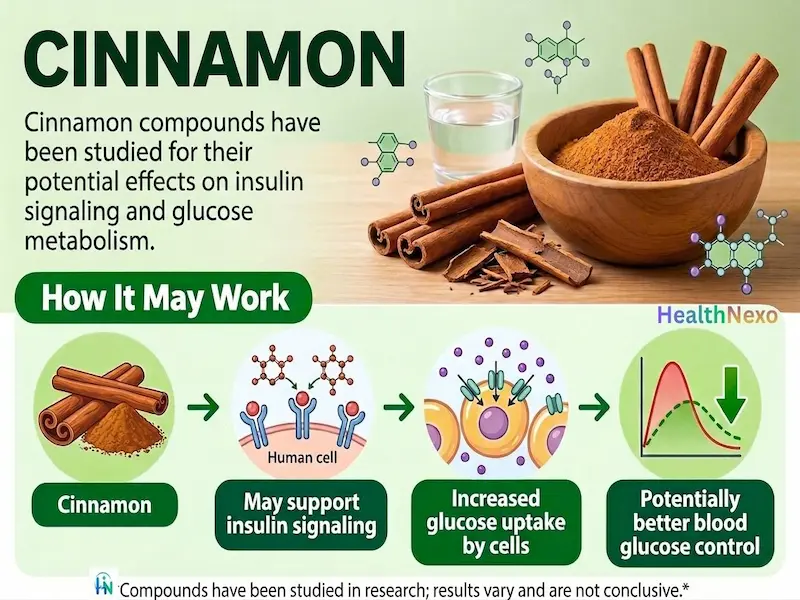
Cinnamon compounds have been studied for their potential effects on insulin signaling and glucose metabolism.
How It May Work
- Cinnamon compounds → may support insulin signaling → potentially better blood glucose control.
What the Research Shows
A recent dose-response systematic review and meta-analysis of 24 randomized controlled trials found statistically significant reductions in fasting blood glucose, HbA1c, and HOMA-IR.
The reduction in HbA1c was −0.67%, although there was variation based on the type, dosage, form, and duration of cinnamon use.
Practical Tip
Rather than using high doses, consider adding cinnamon to foods such as oatmeal or yogurt, or to unsweetened beverages.
Cassia cinnamon can contain significant amounts of coumarin, so high-dose cinnamon supplements should be used cautiously.
Although cinnamon has been studied for its potential glycemic effects, it is not an alternative treatment for diabetes.
3. Fenugreek
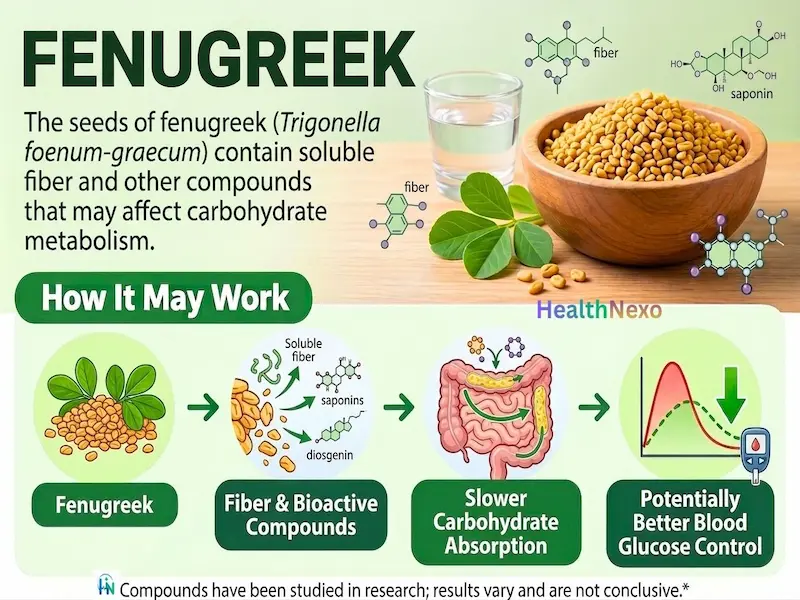
The seeds of fenugreek (Trigonella foenum-graecum) contain soluble fiber and other compounds that may affect carbohydrate metabolism.
How It May Work
- Fenugreek → fiber and bioactive compounds → slower carbohydrate absorption → potentially better blood glucose control
What the Research Shows
A 2025 updated meta-analysis included 26 randomized controlled trials. The pooled results showed:
- Fasting blood glucose: −16.75 mg/dL
- 2-hour postprandial glucose: −22.28 mg/dL
- HbA1c: −0.63 percentage points
- Fasting insulin: SMD −0.42
However, postprandial glucose measurements showed extremely high heterogeneity.
Practical Tip
Fenugreek seeds can be added to regular meals. If you use concentrated fenugreek supplements while taking glucose-lowering medicines, consult a healthcare professional.
Fenugreek has shown potential benefits in clinical studies, but differences in preparation, dosage, populations, and study quality make the overall evidence difficult to interpret.
4. Apple Cider Vinegar
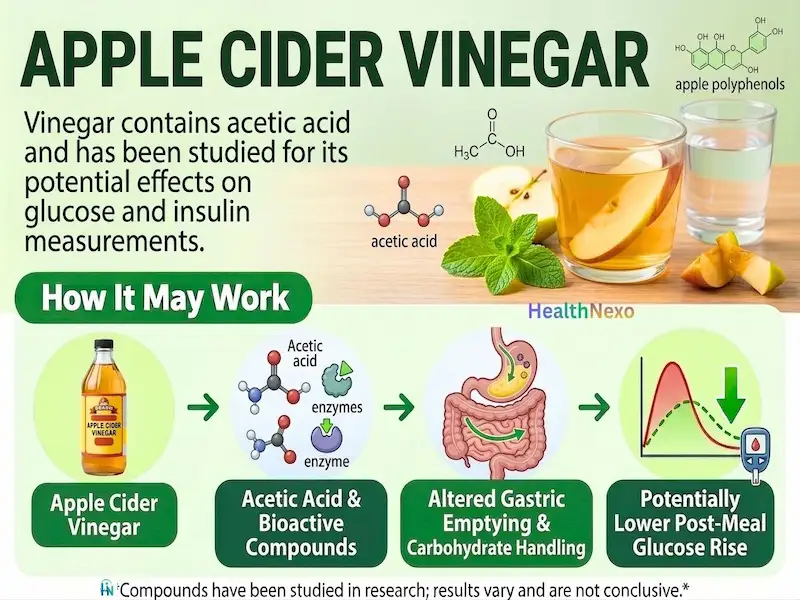
Vinegar contains acetic acid and has been studied for its potential effects on glucose and insulin measurements.
How It May Work
- Acetic acid → altered and carbohydrate handling → potentially lower post-meal glucose rise
What the Research Shows
A systematic review and meta-analysis found that vinegar intake was associated with lower glucose and insulin responses. The pooled effects were:
- Glucose AUC: SMD −0.60
- Insulin AUC: SMD −1.30
These findings suggest a possible short-term effect on post-meal glucose responses, but vinegar should not be considered a treatment for diabetes.
Practical Tip
If you choose to use vinegar, avoid drinking it undiluted. Undiluted vinegar may irritate the digestive tract and contribute to dental enamel erosion.
5. Berberine
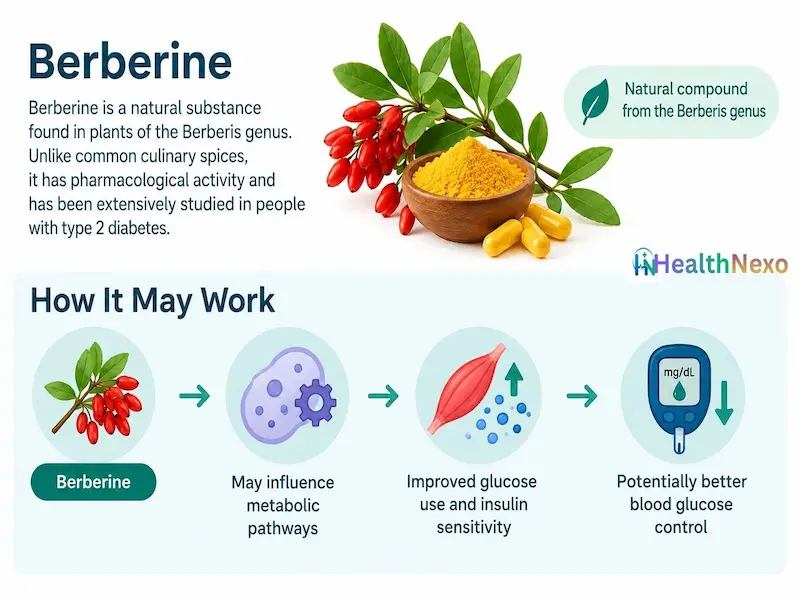
Berberine is a natural substance found in plants of the Berberis genus. Unlike common culinary spices, it has pharmacological activity and has been extensively studied in people with type 2 diabetes.
How It May Work
- Berberine → may influence metabolic pathways → improved glucose use and insulin sensitivity → potentially better blood glucose control
What the Research Shows
A systematic review and meta-analysis from 2024 included 50 randomized controlled trials involving 4,150 subjects. In monotherapy, berberine showed:
- Fasting plasma glucose: −0.59 mmol/L, or around −10.6 mg/dL
- 2-hour postprandial plasma glucose: −1.57 mmol/L, or around −28.3 mg/dL
When combined with glucose-lowering medication, the pooled HbA1c reduction was −0.69 percentage points.
Practical Tip
Berberine should not be treated like an ordinary dietary supplement because it can interact with glucose-lowering and other medicines.
Berberine has been extensively studied, but the quality, duration, and design of studies vary.
6. Ginger
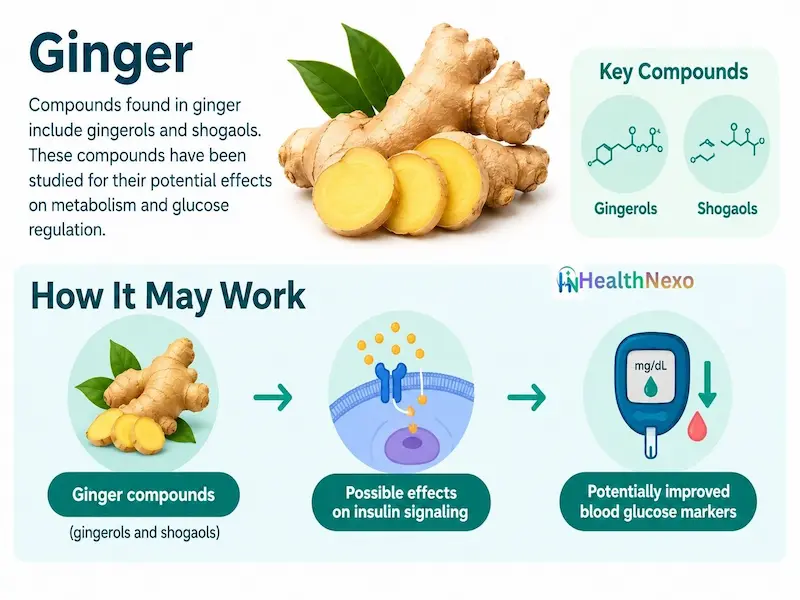
Compounds found in ginger include gingerols and shogaols. These compounds have been studied for their potential effects on metabolism and glucose regulation.
How It May Work
- Ginger compounds → possible effects on insulin signaling → potentially improved blood glucose markers
What the Research Shows
A meta-analysis of 13 randomized studies published in 2026 found:
- Fasting blood glucose: −16.27 mg/dL
- HbA1c: −0.41%
Nevertheless, there was considerable heterogeneity, with I² statistics of 86.39% for fasting glucose and 92.09% for HbA1c. The researchers noted that the overall effects were of limited clinical importance.
Practical Tip
Using fresh ginger in regular meals or tea may be a more practical approach than relying on concentrated extracts, especially because the optimal dose and long-term safety of supplements remain uncertain.
The findings are promising, but they are not consistent. The wide variation between studies makes it difficult to determine how much benefit ginger may provide.
7. Bitter Melon
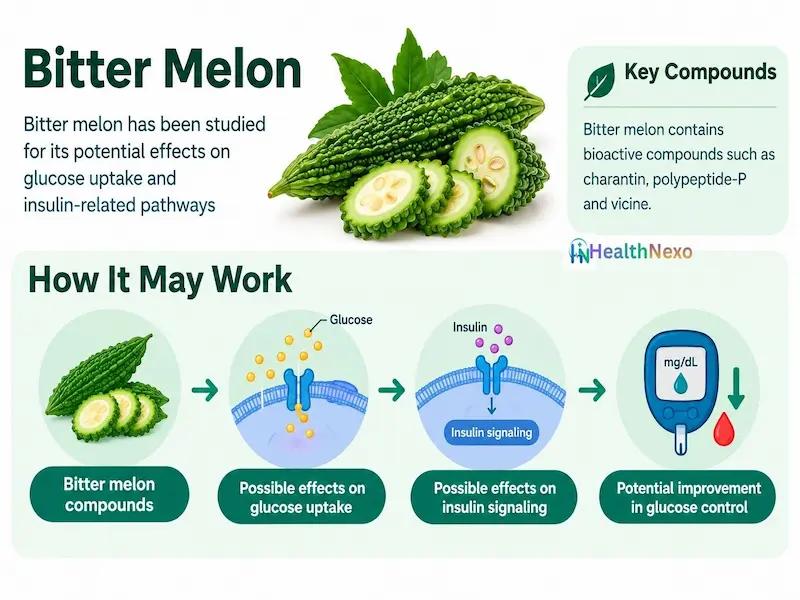
Bitter melon has been studied for its potential effects on glucose uptake and insulin-related pathways.
How It May Work
- Bitter melon compounds → possible effects on glucose uptake and insulin signaling → potential improvement in glucose control
What the Research Shows
A 2025 GRADE-adherent meta-analysis included 25 trials with 34 sub-studies. The pooled results showed reductions in:
- Fasting blood glucose: SMD −0.46
- HbA1c: SMD −0.57
- Insulin: SMD −0.48
- HOMA-IR: SMD −0.52
Earlier research had reported little or no significant benefit, so the overall evidence is still developing.
Practical Tip
Bitter melon can be eaten as a vegetable in regular meals. If you use concentrated forms while taking glucose-lowering medicines, discuss their use with a healthcare professional because they may affect blood glucose levels.
Overall, bitter melon shows potential, but the evidence is still developing and should be interpreted cautiously.
8. Curcumin/Turmeric
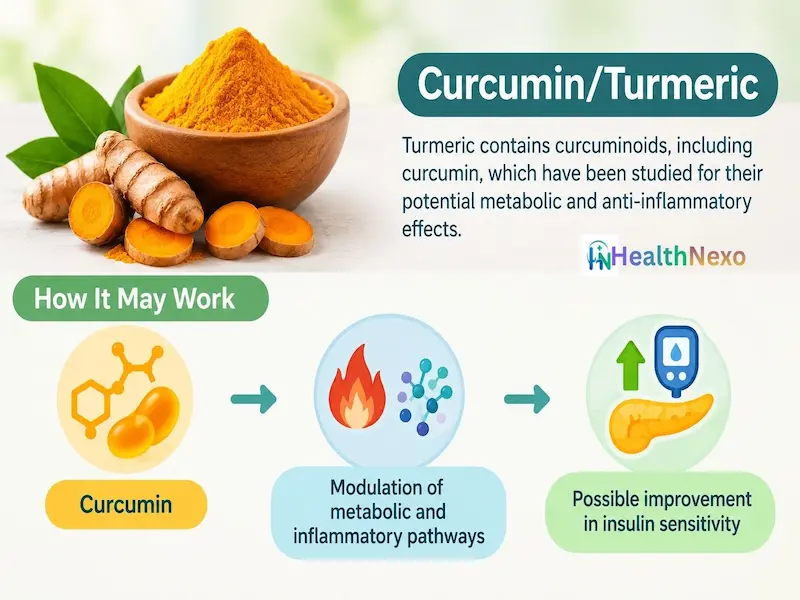
Turmeric contains curcuminoids, including curcumin, which have been studied for their potential metabolic and anti-inflammatory effects.
How It May Work
- Curcumin → modulation of metabolic and inflammatory pathways → possible improvement in insulin sensitivity
What the Research Shows
A systematic review and meta-analysis conducted in 2026 included 34 randomized controlled trials with 39 interventions. Compared with control groups, curcumin or turmeric supplementation resulted in:
- Fasting blood glucose: −10.15 mg/dL
- HbA1c: −0.32%
- Fasting insulin: −0.69 μU/mL
- HOMA-IR: −0.46
- OGTT glucose: −11.53 mg/dL
However, significant variation between studies means the findings should be interpreted cautiously.
Practical Tip
Turmeric can be used as a culinary spice in normal meals. Curcumin supplements are more concentrated and may interact with medicines, so they should be used cautiously.
Clinical evidence on curcumin is increasing, but current evidence is not sufficient to use it as an alternative therapy.
9. Black Cumin
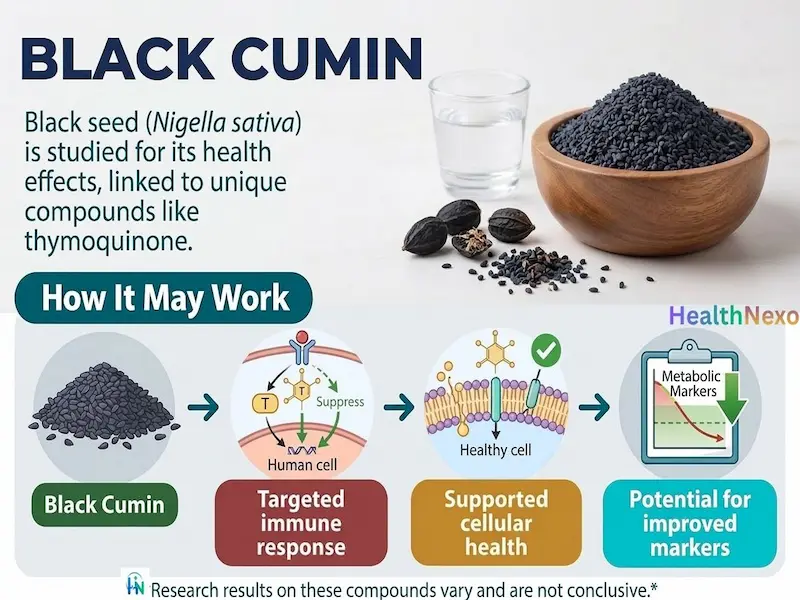
Black seed, Nigella sativa, contains compounds such as thymoquinone that have been studied in randomized clinical trials.
How It May Work
- Nigella sativa compounds → possible metabolic effects → potential improvement in glucose markers
What the Research Shows
A 2025 meta-analysis focused specifically on type 2 diabetes included 16 randomized controlled trials. It found:
- Fasting blood glucose: −21.43 mg/dL
- HbA1c: −0.44 percentage points
However, no statistically significant changes were observed in 2-hour glucose, fasting insulin, or HOMA-IR.
Practical Tip
Black cumin seeds may be used in ordinary meals. More caution is needed when using black cumin oils or supplements because the optimal dosage and long-term safety are not well established.
Black cumin shows potential, although results are heterogeneous and cannot be regarded as assured benefits.
10. Green Tea
Catechins such as EGCG, found in green tea, have been studied for their potential effects on glucose metabolism.
How It May Work
- Green tea catechins → possible metabolic effects → potential influence on glucose regulation
What the Research Shows
A systematic review and meta-analysis of 27 randomized controlled trials involving 2,194 subjects found a small decrease in fasting glucose:
- Fasting glucose: −1.44 mg/dL
However, green tea did not significantly affect HbA1c or fasting insulin levels.
Practical Tip
Choose unsweetened green tea rather than adding sugar or other calorie-containing sweeteners.
Green tea has only a small effect on fasting glucose, while its overall effect on glycemic control appears limited, and evidence for HbA1c improvement is not strong.
Comparing the Evidence Behind These Natural Options
The amount and quality of evidence vary among these 10 options.
- More consistent evidence: Psyllium
- Substantial research but important limitations: Berberine, fenugreek
- Potential benefits with variable or heterogeneous evidence: Cinnamon, vinegar, ginger, bitter melon, curcumin, black cumin
- Small or limited effect: Green tea
Statistical significance does not always mean that an effect is large enough to be clinically meaningful. The size of the benefit, consistency of findings, study quality, safety, and individual circumstances all matter.
A Safer Way to Think About Natural Blood Sugar Support
Natural products should be viewed as complementary options rather than substitutes for diabetes treatment.
The foundation of blood sugar management remains:
Balanced diet → regular physical activity → healthy weight management when appropriate → adequate sleep → glucose monitoring → prescribed treatment when indicated
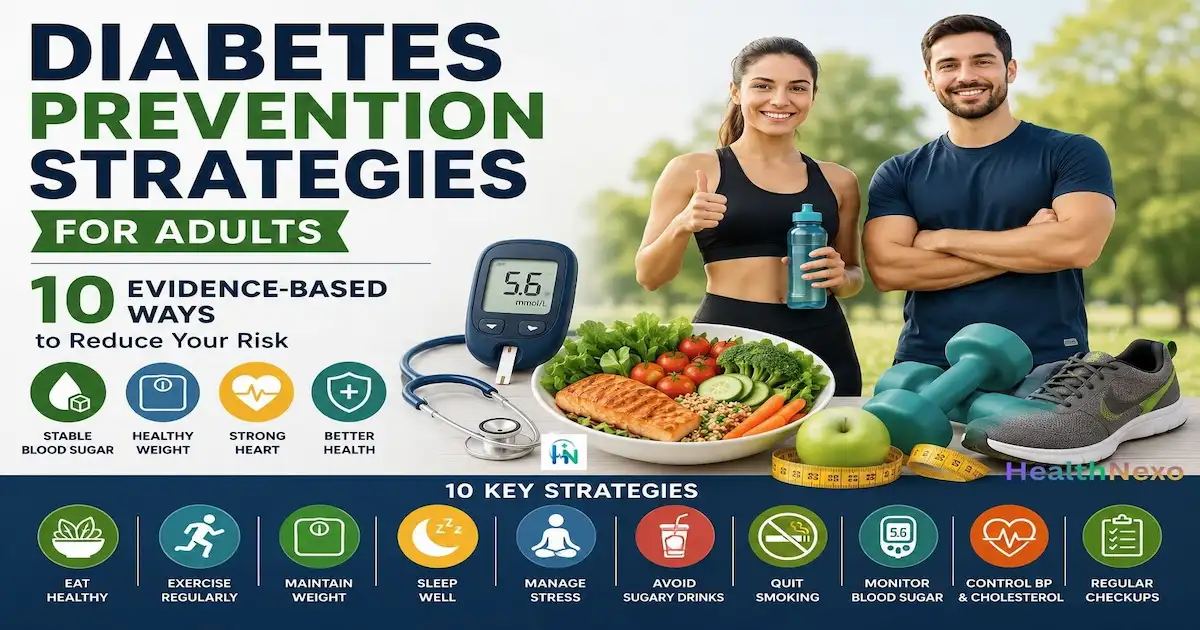
These lifestyle habits are also important for reducing the risk of developing type 2 diabetes. These lifestyle habits are also important for reducing the risk of developing type 2 diabetes. See Diabetes Prevention Strategies for Adults for practical, evidence-based prevention strategies.
For people with diabetes, supplements that may lower glucose can sometimes increase the risk of hypoglycemia when combined with insulin or other glucose-lowering medicines.
Natural Does Not Mean Risk-Free
Plant-derived products can have pharmacological effects. Additional care is important if you:
- Are using insulin or other glucose-lowering medicines
- Experience episodes of low blood sugar
- Are using several prescription medicines
- Are using blood-thinning medicines
- Have liver or kidney disease
- Are you pregnant or breastfeeding?
- I am planning to take concentrated herbal extracts
Berberine has particular concerns because of its pharmacological effects and potential drug interactions. Similar medication-interaction or safety concerns may also apply to concentrated preparations of cinnamon, curcumin, ginger, black cumin, and bitter melon.
Practical Daily Approach
Rather than taking several supplements at once, start by building healthy daily habits.
- Morning: Choose water or another unsweetened beverage, such as plain tea or green tea.
- During meals: Use foods and spices such as cinnamon, ginger, turmeric, fenugreek, and black cumin in normal culinary amounts.
- Fiber: If psyllium is appropriate for you, ask a healthcare professional about the right amount and timing, especially if you take other medicines.
- Carbs: Choose minimally processed, fiber-rich carbohydrate foods and limit refined carbohydrates and sugary foods and drinks.
- Monitoring: If you have diabetes and start a supplement that may lower blood glucose, monitor your glucose as recommended by your healthcare professional.
Key Takeaway
Research suggests that some home remedies to support healthy blood sugar may provide modest benefits, but the strength and consistency of evidence vary considerably. Psyllium has relatively consistent evidence for improving fasting glucose and HbA1c, while berberine and fenugreek have also shown potential benefits.
These options should complement—not replace—a balanced diet, physical activity, glucose monitoring, and prescribed diabetes treatment when needed.
Frequently Asked Questions (FAQs)
Q1. Can natural remedies cure diabetes?
No. Natural remedies cannot cure diabetes. However, some may provide modest benefits for certain blood glucose measures when used alongside standard diabetes care.
Q2. Which Natural Remedies Have the Most Consistent Evidence for Blood Pressure Control?
Garlic, potassium-rich foods, and oats have relatively consistent evidence for modest blood pressure benefits. They should complement, not replace, prescribed treatment when needed.
Q3. Can I stop my diabetes medicine?
No. Never reduce or stop insulin or prescribed medication because of a supplement without medical supervision. For emerging treatment approaches, see New Diabetes Treatment Options Without Insulin.
Q4. Is cinnamon proven to lower blood sugar?
Some studies suggest that cinnamon may modestly improve blood glucose markers, but findings are inconsistent. It should not be used as a substitute for proven diabetes treatments.
Q5. Can apple cider vinegar replace diabetes medicine?
No. While vinegar may reduce post-meal glucose responses to a small extent, it cannot substitute for diabetes treatment.
Q6. Are natural supplements safer than prescription medicines?
Not necessarily. Natural products can interact with other medicines and may cause unwanted side effects.
Medical Disclaimer
The information in this article is intended for educational purposes only and should not be used as a replacement for professional medical advice. People with diabetes or prediabetes are encouraged to seek advice from a healthcare professional before taking supplements or adjusting medication.
References
- American Diabetes Association Professional Practice Committee. Standards of Care in Diabetes—2026. Diabetes Care. 2026;49(Suppl 1).
- Gholami Z, et al. Psyllium and glycemic control. BMC Endocr Disord. 2024;24:82.
- Moridpour AH, et al. Cinnamon and glycemic control. Phytother Res. 2024;38:117–130.
- Chehregosha F, et al. Fenugreek and glycemic parameters. Avicenna J Phytomed. 2025;15:1677–1699.
- Shishehbor F, et al. Vinegar and postprandial glucose. Diabetes Res Clin Pract. 2017;127:1–9.
- Wang J, et al. Berberine and type 2 diabetes. Front Pharmacol. 2024;15:1455534.
- Chen X, et al. Ginger supplementation and glycemic control. Syst Rev. 2026;15:231.
- Mkhize SAL, et al. Momordica charantia and glycemic control. Metab Open. 2025;28:100407.
- Bahari H, et al. Curcumin/turmeric supplementation and glycemic control. Food Sci Nutr. 2026;14(4):e71748.
- Karimi M, et al. Black seed (Nigella sativa) and type 2 diabetes. Complement Ther Med. 2025;90:103174.
- Zheng X, et al. Green tea and glycemic control. Nutr Metab (Lond). 2020;17:56.
Tags:

Md. Rakibul Hasan, BSc (Hons), MS (Thesis)
Biochemistry & Molecular Biology, University of Chittagong, Bangladesh
Senior Biochemist | Health Content Writer | Evidence-Informed Health Information Creator
Popular Diagnostic Centre Limited, Bangladesh.
He specializes in clinical biochemistry, laboratory diagnostics, and medical testing. Alongside his professional work, he is actively involved in health education and scientific communication.
As a Health Content Writer and Research-Based Health Information Creator, he simplifies complex medical and biochemical topics into clear, evidence-informed, and reader-friendly health information.



1 thought on “Home Remedies to Support Healthy Blood Sugar: 10 Natural Options for Better Health”