
All should take up routine health checkups to keep themselves in check with their health conditions and know what diseases may arise. These tests help you find out exact health problems. Routine health checkups may reveal diseases even though you feel no symptom, since many diseases develop with no symptom at initial stage; the disease may be diagnosed early. Routine screening can identify issues before you get bad conditions. Getting tested early can make you healthier, and they might even save your life. Routine health checkups keep your body informed about it.
This book tells you about routine health checkups. It explains normal results and also tells you why regular check-ups are good for your health.
Importance of Regular Health Check-ups
Getting routine health checkups are extremely essential for a healthy life. These checkups identify actual health disorders, often before any physical signs develop, thus it is quite simple to manage them. Here are key importance:
- Early diagnosing of diseases: Routine health checkups can be detected at their earliest stages, even when the body is not showing any visual symptoms.
- Improving the success of medications: The proper treatment increases when doctors have the opportunity to identify potential illness in patients at an early stage.
- Prevention of complications: The detection of medical conditions at the initial stages of their development can help to avoid the severity of life-threatening complications.
- Lowering the cost of future treatment: Identifying health conditions at the earliest stages can often be more economical than addressing severe conditions.
- Promotes a change in lifestyle: Routine health checkups stimulate one to adopt exercise and other good lifestyle habits.
- Improving quality of life: Leading a healthy lifestyle is able to maintain physical fitness and keep their energy levels at a high through routine health checkups.
11 regular health screening tests: preventive healthcare guide
Routine health checkups prevent any potential health issues from becoming serious conditions and allow you to receive immediate treatment. Your regular medical checkups and care practice can enhance long-term health, help disease prevention and awareness of your physical state. 11 common health screening tests essential for preventing disease are given as follows.
1. Blood Pressure Test (BP)
Blood pressure tests check how much pressure your blood is putting on your artery walls at every beat. When it is high, which is termed as Hypertension, is a silent killer which can take toll of your brain, heart, eyes, kidneys etc. Etc in the long run. But when blood pressure is low this condition is termed as Hypotension and symptoms are fatigues, dizziness and light headedness.
By measuring your blood pressure frequently can get relevant information regarding your heart and keep under check.
Normal BP range:
- Systolic BP is commonly in the 90 to 120mmHg range
- Diastolic BP is commonly in the 60 to 80 mmHg range
2. Blood Sugar Test
The primary objective of a blood sugar test is to determine the amount of sugar that exists in the blood through a randomly taken or fasting test. This test is used to help identify if you have insulin resistance, pre-diabetes or diabetes. Diabetes which is poorly controlled is dangerous and can result in significant harm to your blood vessels, kidneys, nerves and eyes.
Managing your blood sugar levels is main way for prevention of issues like kidney disease, nerve damage and vision problems.
Here are typical blood sugar ranges:
- Fasted blood glucose: 70-100 mg/dL (before having eaten anything for several hours)
- Random blood glucose: Under 140 mg/dL
- HbA1c (Glycated Hemoglobin): 4-5.6%
3. Lipid Profile test (Lipid Panel)
This is a blood test that looks for fats in the blood such as cholesterol and triglycerides. We look at the type ‘good’ cholesterol (HDL) and ‘bad’ cholesterol (LDL). If the level of either bad cholesterol (LDL) or triglycerides is too high it poses an increased risk of a heart attack or stroke and disease of the arteries (blood vessels) as they build up as plaque within the arteries. Too little ‘good’ cholesterol (HDL) in the blood means there is less removed from the body.
Normal results:
- Total cholesterol: Less than 200mg/dL
- LDL cholesterol: Less than 100mg/dL
- HDL cholesterol: Between 40-60mg/dL
- Triglycerides: Less than 150mg/dL
4. CBC (Complete Blood Count)
The CBC (Complete Blood Count) test looks at your red blood cells (these deliver oxygen around your body), white blood cells (these help to fight infections) and platelets (these assist in blood clotting).It also looks at other features of blood. The CBC can also show signs of infection, anemia, inflammation and other disorders of the blood such as leukemia.
Reference values (Normal):
- Hemoglobin: Adult Female: 12.0-15.0g/dL and Adult male: 13.0-17.0 g/dL
- White blood cell count (WBC): 4,000-11,000 cells/L
- Red blood cell count (RBC): 4.50-5.50 million/l
- Platelets: 150,000-450,000 cells/L
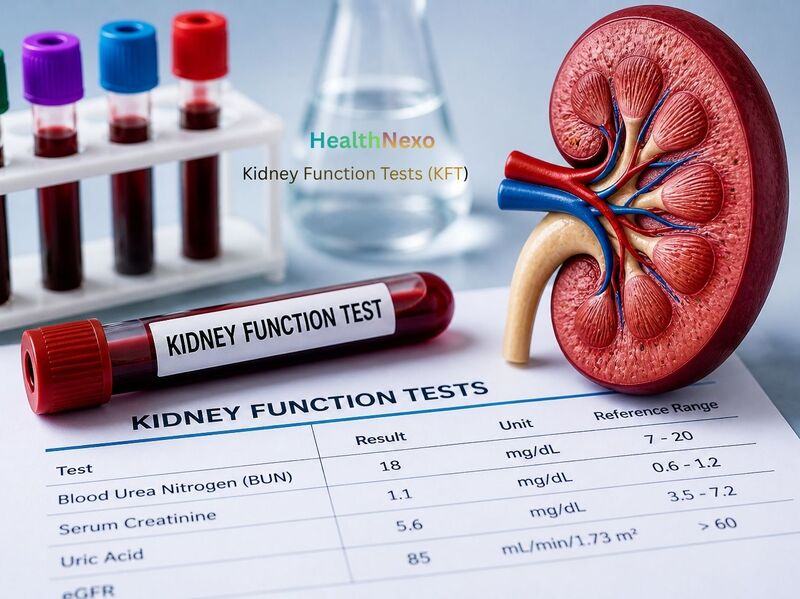
5. Kidney Function Tests (KFT)
The KFTs are blood tests that check how well the kidneys are able to clear waste and excess fluid from the blood. Their function is evaluated primarily by evaluating creatinine and BUN levels. Kidney failure or damage elevates both of these markers.
Benefits include early detection of kidney issues as well as risk reduction of kidney disease, kidney failure, hypertension, and electrolyte and fluid imbalance, in individuals such as diabetics, hypertensive, and those with a familial predisposition to renal failure.
Reference values:
- Creatinine: 0.6-1.3 mg/dL;
- BUN: 7-20 mg/dL.
- Uric Acid: For male- 3.50-7.20mg/dl and For women- 2.60-6.00 mg/dl
6. Tests for Liver Function (LFT)
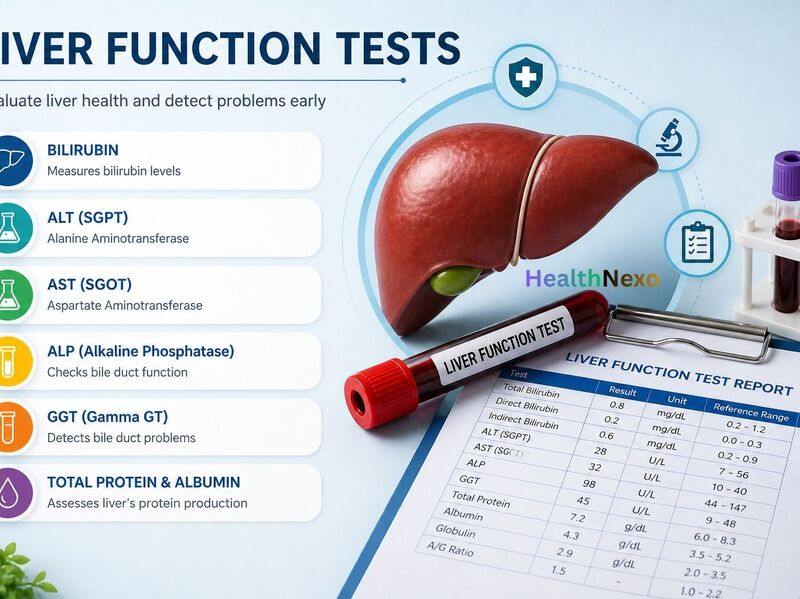
The liver is an important organ, responsible for the removal of waste and synthesis of protein, it also assist in digestion. The LFT are tests, conducted to quantify the amount of each function, the liver performs and this is assessed using enzyme levels and compound measurement in the blood.
Tests are likely to be carried out to help detect any liver problems like Hepatitis or Fatty Liver disease in their very early stages. Very high enzyme levels can signify a liver injury or a chronic condition.
Reference range:
- Alanine Aminotransferase (ALT): 7-56 units/L
- Aspartate Aminotransferase (AST): 10-40 units/L
- Alkaline Phosphatase (ALP): For adult male- 40-130u/l and For adult women- 35-105u/l
- Gamma-Glutamyl Transferase(GGT): up to 50.00 g/dl
- Total Protein: 6.60-8.70g/dl
- Serum Albumin: 3.50-5.20 g/dl
- Total Bilirubin: 0.1-1.2 mg/dL
7. Thyroid Function Tests (TFT)
Thyroid function tests-these test the hormones produced by the thyroid. These hormones affect energy levels, body temperature and how the body processes food. These tests are useful when someone has a suspected problem with their thyroid.
They are able to detect over activity of the thyroid gland called hyperthyroidism, which can cause wearing thin, anxiety symptoms, rapid heartbeat and problems sleeping. They can also identify under activity of the thyroid gland known as hypothyroidism which can cause fatigue, weight gain, depression and a slow metabolic rate.
Normal ranges:
- TSH (Thyroid stimulating hormone): For adults 0.47-5.00 uIu/ml
- T3 (Triiodothyronine): For adults 0.51- 1.65 ng/ml
- T4 (Thyroxine): For adults 4.50-12 ug/dL
8. Routine urine test
It is a test for unusual substances within your urine. These are tests to see if there is any blood, protein, glucose, bacteria, red blood cells or white blood cells in the sample. These are used in screening for kidney disease, UTIs and diabetes. The tests themselves are inexpensive, do not hurt and take only a small amount of time to perform.
Normal results:
- pH: 4.5-8
- Protein: Negative
- Glucose: Negative
9. Body Mass Index (BMI)
BMI is a simple quick way of checking if your weight is healthy relative to your height, and if you are underweight, overweight or obese. An appropriate BMI helps decrease the risk of such problems as heart disease, diabetes and high blood pressure.
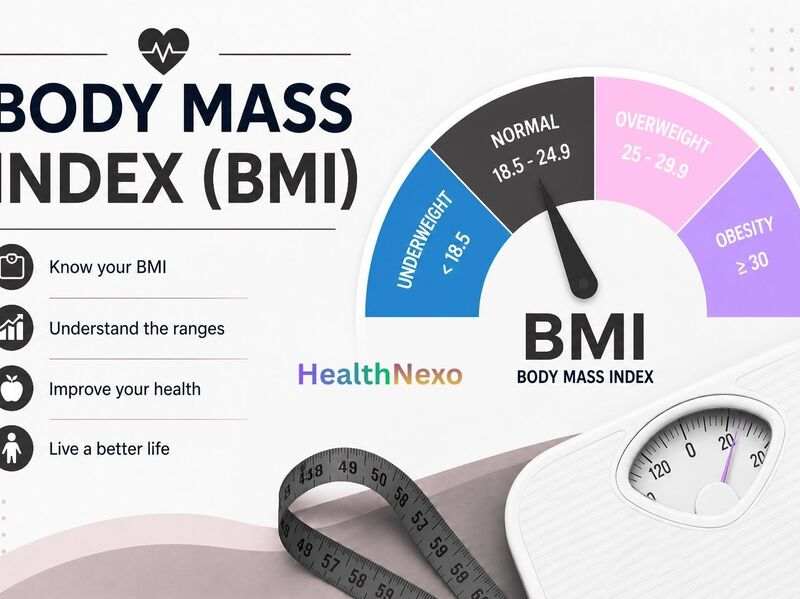
Normal Range: 18.5-24.9
10. Cancer Screening
Cancer screening is the search for cancer in a person’s body, without a person displaying symptoms of the particular cancer. If the cancer is discovered earlier, a treatment could be successful and a better survival could be achieved. There are screening tests for cancer of the cervix (pap smear), breast (mammogram), colon (colonoscopy), liver (using AFP- alpha fetoprotein test), cancer of the ovaries (CA 125), pancreas (CA 19.9) and the prostate gland (PSA- prostate specific antigen). Screening tests may detect a cancer early, where treatment is least harmful, and even before a cancer displays signs that it is growing and will allow for less invasive treatment.

Common screening tests and normal range:
- CA-125(Ovarian Cancer): <=35.00 U/ml
- CA 19.9(Pancreatic Cancer) : <=37.00 U/ml
- AFP (Liver Cancer): up to 15.00 ng/ml
- PSA (Prostate cancer): <4.00 ng/ml
11. Eye & Dental Check-up
An eye checkup is to detect visual problems such as poor vision, the onset of eye disorders such as cataracts and glaucoma. A dental checkup usually examines the teeth, gums, and oral health to look for signs of cavities, gum diseases and other infections. Both checkups are very crucial for one’s health. Poor eye or oral health can indirectly affect the entire body.
Frequency:
- Eye checkup: 1–2 years
- Dental checkup: 6 months
Conclusion
Routine health checkups and screenings play an important part in keeping one’s health in check. It can detect many health disorders at their earliest and prevent many diseases from occurring or growing. Health checks and screening have proved over many years to provide more years and better quality of life. Having regular health checks should allow potential serious illness to be caught before problems occur, and it should be of the utmost importance to you.
Frequently Asked Questions (FAQs):
Q1. What is the primary aim of preventive health checkups?
The objectives consist mainly of an early detection of the diseases and prevention of serious health effects.
Q2. Do I need to have preventive checkups even when I feel healthy?
Yes. There are quite a lot of diseases, which are asymptomatic in the early stage. Regular testing helps in their early identification.
Q3. What is the frequency of my full body check-up?
Most people should do it at least once a year. The younger individuals may do it in every two to three years.
Q4. Which test is of greatest importance?
Blood pressure, blood sugar and cholesterol levels are the primary basic tests.
Q5. Is it able to save money with preventive checkups?
Yes. Early diagnosis reduces costs of hospitalization and advanced treatment.
 Medical Disclaimer
 Medical Disclaimer
The information provided in this article is for educational and informational purposes only. It is not intended to be a substitute for professional medical advice, diagnosis, or treatment. Always consult a qualified healthcare professional before making any medical decisions, starting any treatment, or changing your current healthcare plan.
Tags:

Md. Rakibul Hasan, BSc (Hons), MS (Thesis)
Biochemistry & Molecular Biology, University of Chittagong, Bangladesh
Senior Biochemist | Health Content Writer | Evidence-Informed Health Information Creator
Popular Diagnostic Centre Limited, Bangladesh.
He specializes in clinical biochemistry, laboratory diagnostics, and medical testing. Alongside his professional work, he is actively involved in health education and scientific communication.
As a Health Content Writer and Research-Based Health Information Creator, he simplifies complex medical and biochemical topics into clear, evidence-informed, and reader-friendly health information.
4 thoughts on “Routine Health Checkups: 11 Essential Tests for Early Disease Detection & Stay Healthy”