Eating Foods to Improve Digestion Naturally can help support a healthy digestive system and a balanced gut microbiome. Fiber-rich foods, probiotics, prebiotics, fruits, vegetables, and whole grains provide important nutrients that may support regular bowel movements and overall digestive health.
Poor digestion may cause symptoms such as bloating, constipation, gas, indigestion, and abdominal discomfort. Eating the best foods for digestion, staying hydrated, exercising regularly, and following healthy lifestyle habits can help support better digestion.
In this guide, you’ll discover 15 of the best foods for digestion, including foods for healthy digestion, along with simple ways to add them to your daily diet
Quick Answer
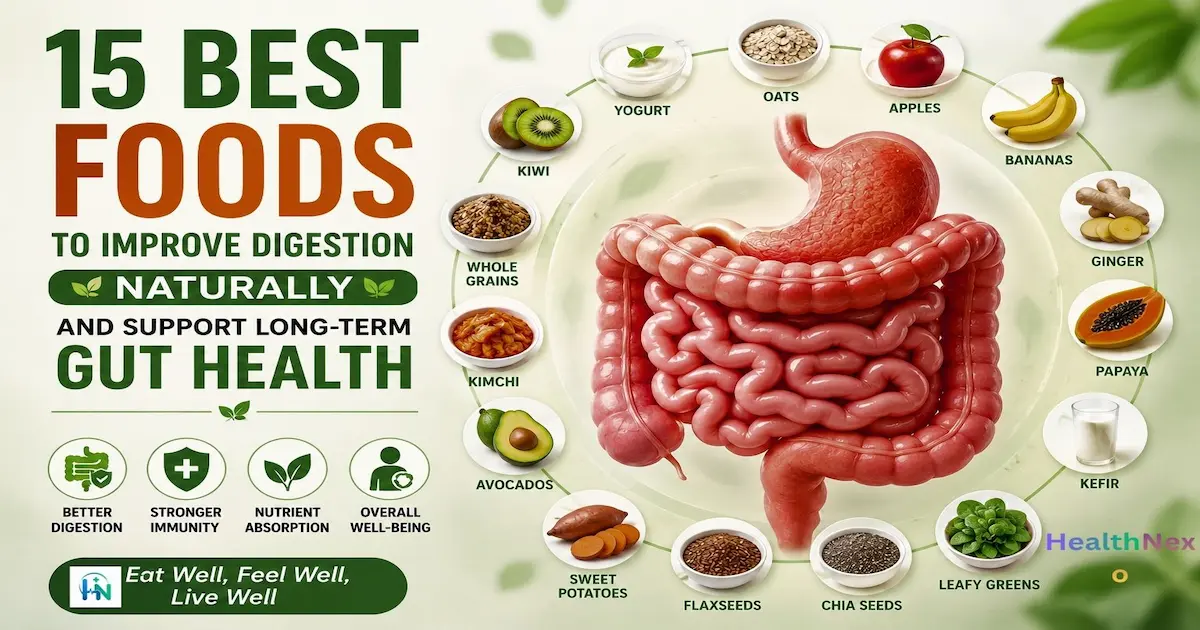
The best foods to improve digestion naturally include yogurt, oats, apples, bananas, papaya, ginger, kefir, leafy greens, chia seeds, flaxseeds, sweet potatoes, avocados, kimchi, whole grains, and kiwi. These foods for healthy digestion provide fiber, probiotics, prebiotics, and other nutrients that can support regular bowel movements and overall gut health. Drinking enough water throughout the day, along with eating natural foods for better digestion, can help support normal digestion and regular bowel movements.
Understanding the Digestive System
The digestive system breaks food down into nutrients that the body uses for energy, growth, and repair. Digestion begins in the mouth and continues through the stomach and intestines. The small intestine absorbs most nutrients, while the large intestine absorbs water and contains beneficial gut microorganisms. The liver produces bile, the gallbladder stores it, and the pancreas produces enzymes that help digest carbohydrates, proteins, and fats.
Gut bacteria also ferment certain fibers and produce short-chain fatty acids (SCFAs), which help support the health of the colon and intestinal lining.
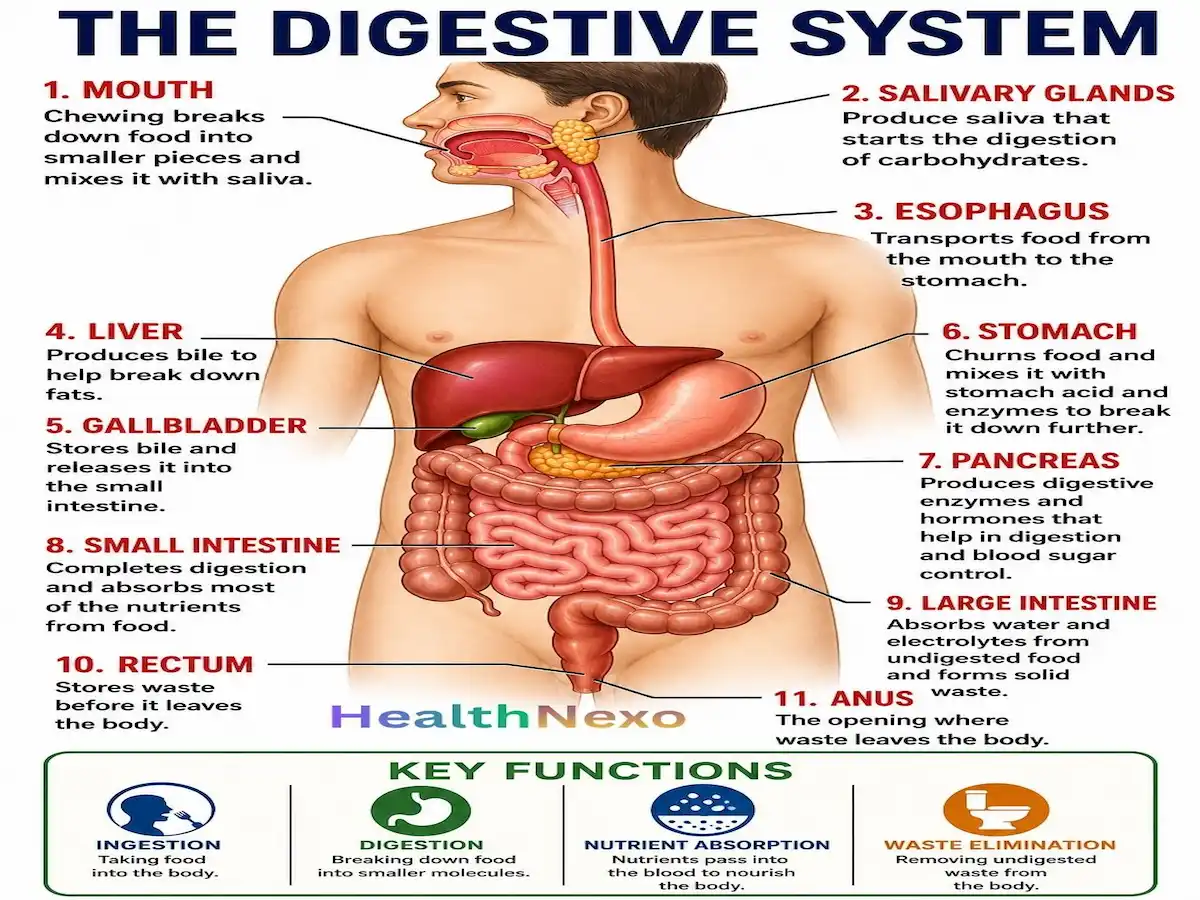
Key Functions of the Digestive System
- Breaks down food into usable nutrients.
- Absorbs nutrients and water for the body.
- Supports the gut microbiome and beneficial bacteria.
- Forms and eliminates stool through the bowel.
- Supports immune function through the gut.
Why Digestive Health Matters
The digestive system helps in breaking down food into its components. It allows the absorption of vitamins and minerals in the body. It also removes waste and supports overall health.
- Improve nutrient absorption
- Support immune function
- Prevent bloating and constipation
- Ensure that your gut bacteria are healthy
- Have regular bowel movement
- Enhance your health status for the better in the future
Bad digestion causes bloating, irritation, and bad bowel movement. Poor digestion may also lead to poor quality of life. Healthy eating and a healthy lifestyle promote good digestion and functioning of your digestive system.
Common Signs of Poor Digestion
In case your digestive system isn’t functioning correctly, you might suffer from:
- Frequent gas and bloating
- Irregularity and constipation
- Diarrhea
- Heartburn/indigestion
- Abdominal pain
- Nausea
It is recommended to seek medical advice for persistent digestive problems.
Scientific Mechanism: How Foods Improve Digestion Naturally
Nutrients and other bioactives facilitate the digestion process via various biological processes. Collectively, they promote nutrient absorption and proper functioning of the digestive system.
- Dietary Fiber → They provide bulk to stools and aid in regular defecation.
- Prebiotics → They act as food for gut bacteria.
- Probiotics → Contribute to the balance of microbes, and digestion.
- Digestive enzymes→ Decomposes carbohydrates, proteins, and fats into simpler nutrients. This makes it easy for the body to absorb these nutrients.
- Short-chain fatty acids (SCFA)→ Helps the cells that line the colon. It plays an important role in the protection of the intestinal mucosa.
- Water→ Makes the stools soft and assists in the movement of food along the digestive tract.
- Antioxidants→ Protects the gastrointestinal tract against oxidative stress.
How a Healthy Diet Supports Digestion
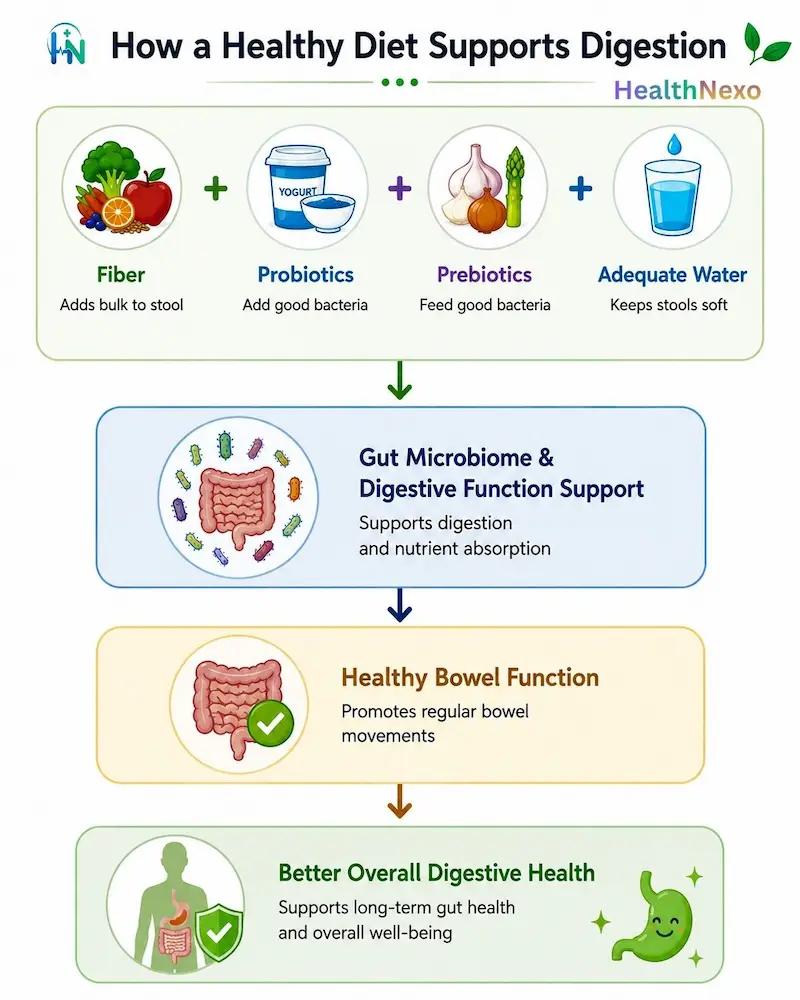
A healthy diet supports digestion by providing fiber, probiotics, prebiotics, and adequate fluids that help maintain regular bowel movements and a balanced gut microbiome.
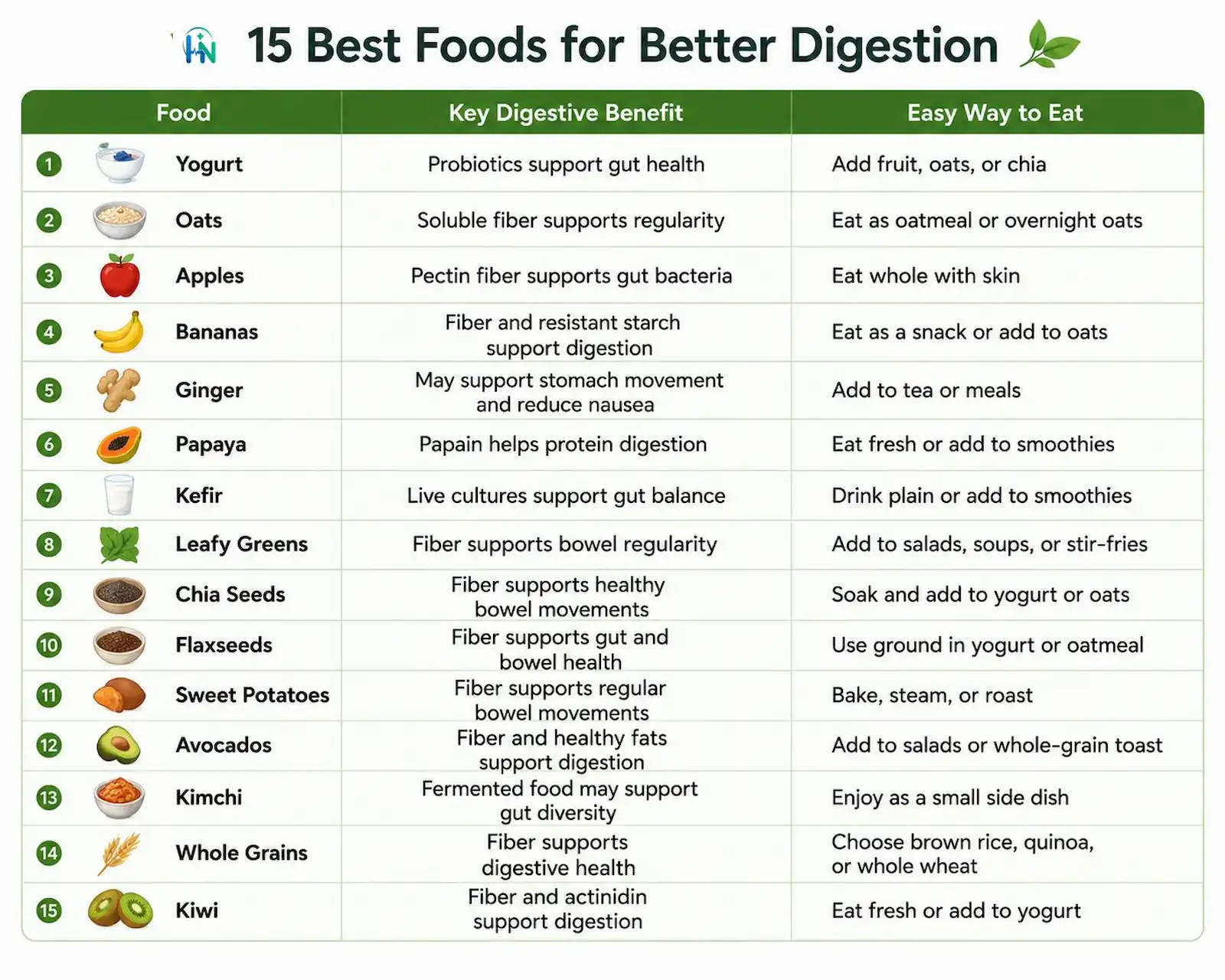
15 Best Foods to Improve Digestion Naturally
The best foods for digestion provide fiber, probiotics, prebiotics, vitamins, minerals, and other nutrients that support normal digestive function. The following 15 foods can be part of a balanced diet for better digestive and gut health.
1. Yogurt: Probiotics for a Healthier Gut
Yogurt can be a simple way to add beneficial bacteria to your diet. Some yogurts contain live cultures, such as Lactobacillus and Bifidobacterium, which may support a healthy gut microbiome and digestion.
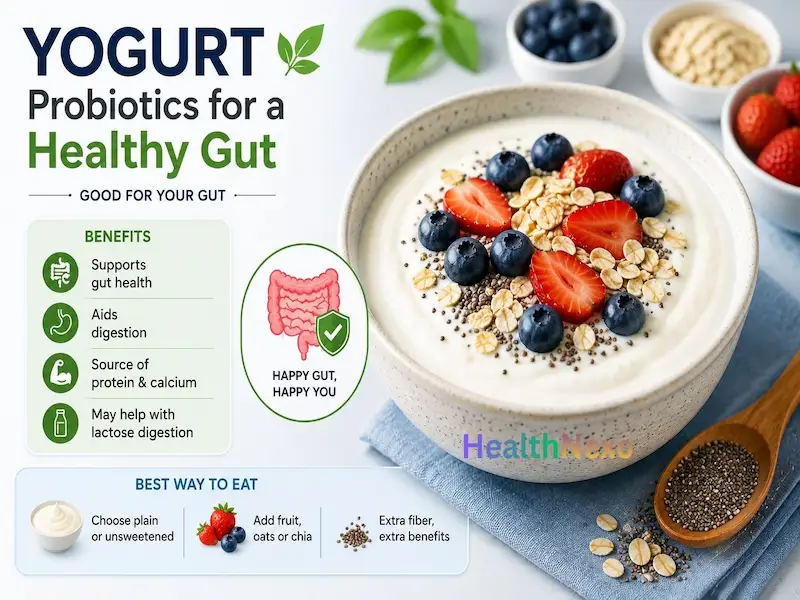
Benefits
- Supports a healthy gut microbiome
- May aid digestion
- Provides protein and calcium
- Some varieties may help with lactose digestion.
Best Way to Eat It: Choose plain or unsweetened yogurt. Add fresh fruit, oats, or chia seeds for extra fiber.
2. Oats: Soluble Fiber for Better Digestion
Oats are rich in beta-glucan, a type of soluble fiber. This fiber can support healthy gut bacteria and help maintain regular bowel movements.
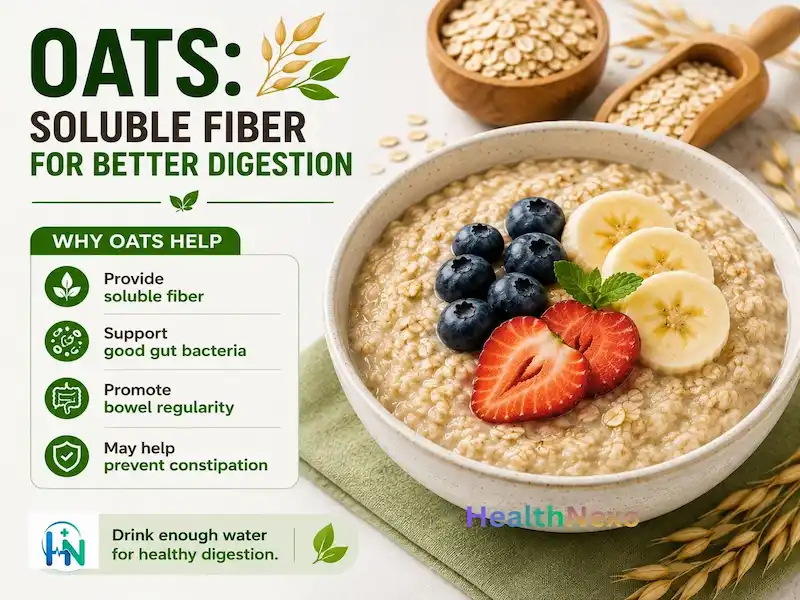
Why Oats Help
- Provide soluble fiber
- Support beneficial gut bacteria
- Help promote bowel regularity
- May help prevent constipation
Easy Ways to Use Oats: Enjoy oatmeal for breakfast or add oats to yogurt, smoothies, or overnight oats.
3. Apples: Pectin Fiber for Gut Health
Apples are a good source of pectin, a type of soluble fiber. Pectin can act as a prebiotic and help support beneficial bacteria in the gut.
Key Benefits
- Rich in soluble fiber
- Supports gut bacteria
- Helps maintain regular bowel movements
- May help prevent constipation
Simple Ways to Eat Apples: Eat whole apples with the skin after washing them well. You can also add sliced apples to oatmeal or yogurt.
4. Bananas: Fiber and Resistant Starch for Digestion
Bananas provide fiber and resistant starch, especially when they are less ripe. These nutrients can support healthy gut bacteria and regular bowel movements.
How Bananas Help
- Provide dietary fiber
- Support bowel regularity
- Feed beneficial gut bacteria
- Offer an easy-to-digest fruit option
Best Ways to Enjoy Them: Eat a banana as a snack or add it to oatmeal, yogurt, or smoothies.
5. Ginger: Natural Support for Digestive Comfort
Ginger contains bioactive compounds called gingerols and shogaols. Research suggests that ginger may help support normal stomach emptying and reduce nausea.
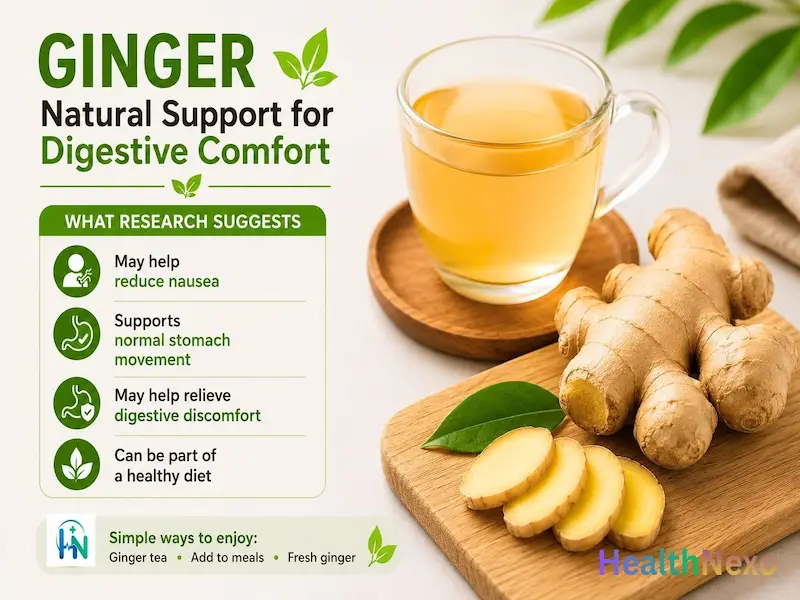
What Research Suggests
- May help reduce nausea
- Supports normal stomach movement
- May help relieve digestive discomfort
- Can be part of a healthy diet
Simple Ways to Add Ginger: Add fresh ginger to tea, soups, curries, or stir-fries. You can also add a small amount to smoothies.
6. Papaya: Papain for Protein Digestion
Papaya contains papain, an enzyme that helps break down proteins. It also provides fiber, which supports regular bowel movements.
How It Supports Digestion
- Provides papain
- Helps break down proteins
- Provides dietary fiber
- Supports regular bowel movements
How to Eat Papaya: Enjoy ripe papaya on its own or add it to fruit salads and smoothies. Choose fresh papaya instead of sugar-heavy desserts.
7. Kefir: Fermented Probiotics for Gut Balance
Kefir is a fermented dairy drink that can contain a variety of beneficial microorganisms. These live cultures may help support a balanced gut microbiome and healthy digestion.
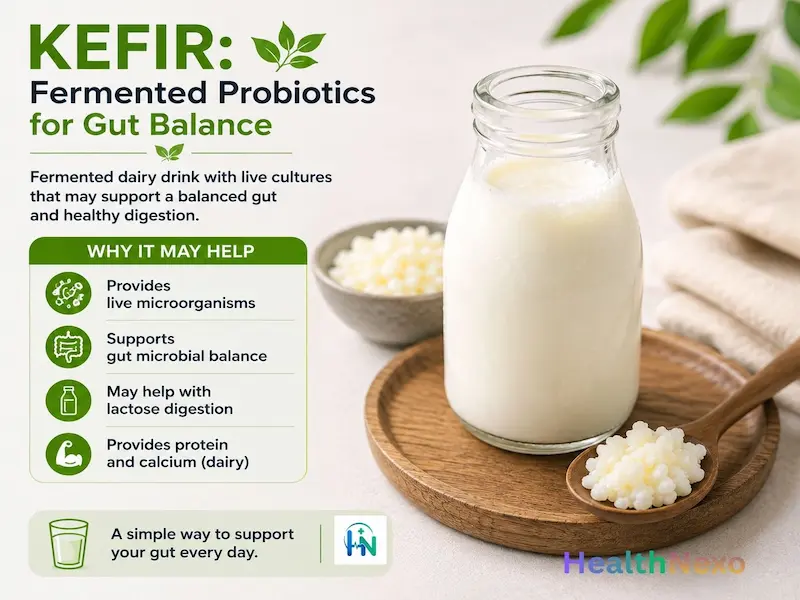
Why It May Help
- Provides live microorganisms
- Supports gut microbial balance
- May help with lactose digestion
- Provides protein and calcium when made from dairy
How to Include Kefir: Choose plain or unsweetened kefir. Drink it on its own or add it to smoothies with oats and berries.
8. Leafy Greens: Fiber for Regular Digestion
Leafy greens such as spinach, kale, and bok choy provide fiber, vitamins, minerals, and antioxidants. Their fiber content can help support regular bowel movements.
Nutritional Benefits
- Provides dietary fiber
- Supports bowel regularity
- Supplies vitamins and minerals
- Adds antioxidants to the diet
Easy Ways to Eat Them: Add leafy greens to salads, soups, stir-fries, or smoothies. Steaming them is another simple option.
9. Chia Seeds: Fiber for Healthy Bowel Movements
Chia seeds are rich in fiber and contain plant-based omega-3 fatty acids. When mixed with liquid, they form a gel-like texture that can help add bulk and moisture to the stool.
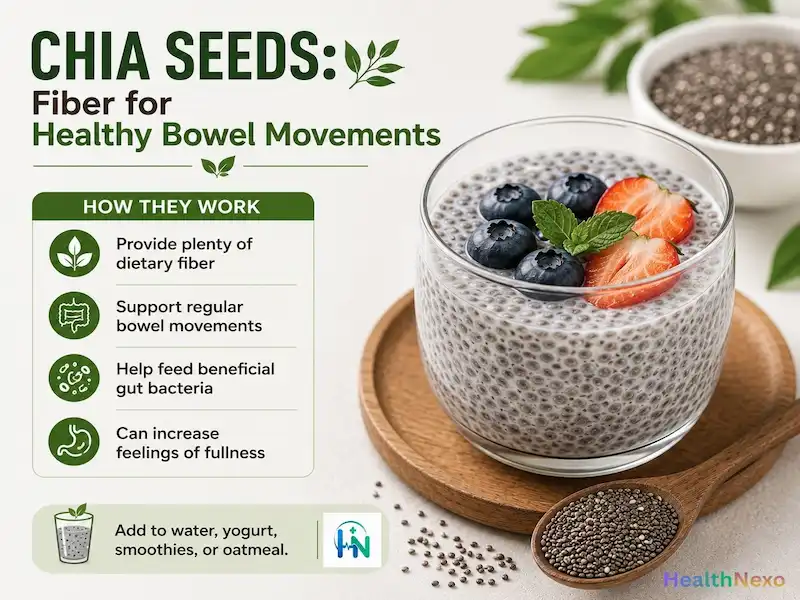
How They Work
- Provide plenty of dietary fiber
- Support regular bowel movements
- Help feed beneficial gut bacteria
- Can increase feelings of fullness
Best Way to Use Chia Seeds: Soak chia seeds before eating them. Add them to yogurt, oatmeal, smoothies, or overnight oats. Drink enough water throughout the day.
10. Flaxseeds: Prebiotic Fiber for Gut Health
Flaxseeds provide fiber, ALA omega-3 fatty acids, and lignans. Their fiber content can support regular bowel movements and overall gut health.
Why They Matter
- Provide dietary fiber
- Support bowel regularity
- Provide plant-based omega-3 fats
- May support beneficial gut bacteria
How to Add Flaxseeds: Use freshly ground flaxseeds instead of whole seeds for easier digestion. Sprinkle them over yogurt, oatmeal, salads, or cereal.
11. Sweet Potatoes: Fiber for Healthy Digestion
Sweet potatoes are rich in fiber and also provide beta-carotene, vitamin C, and potassium. Their fiber content can help support regular bowel movements and a healthy digestive system.
Key Benefits
- Provides dietary fiber
- Supports regular bowel movements
- Rich in beta-carotene
- Provides several important nutrients
Healthy Ways to Prepare Them: Bake, steam, or roast sweet potatoes. Keeping the skin on can provide additional fiber when it is well washed.
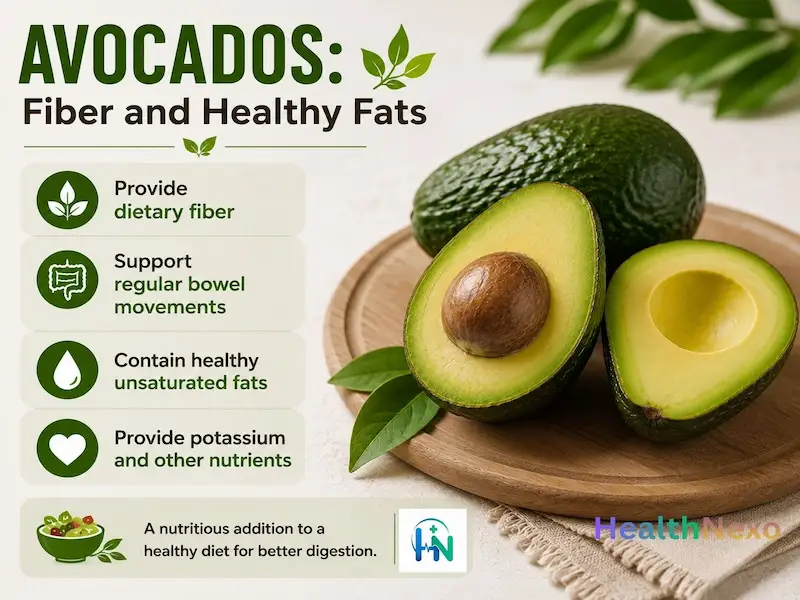
12. Avocados: Fiber and Healthy Fats
Avocados provide both dietary fiber and unsaturated fats. Their fiber can support digestive health, while their healthy fats make them a nutritious addition to a balanced diet.
How They Support Digestion
- Provide dietary fiber
- Support regular bowel movements
- Contain healthy unsaturated fats
- Provide potassium and other nutrients
Simple Ways to Eat Avocado: Add avocado to salads, sandwiches, whole-grain toast, or smoothies. Choose fresh avocado without added salt when possible.
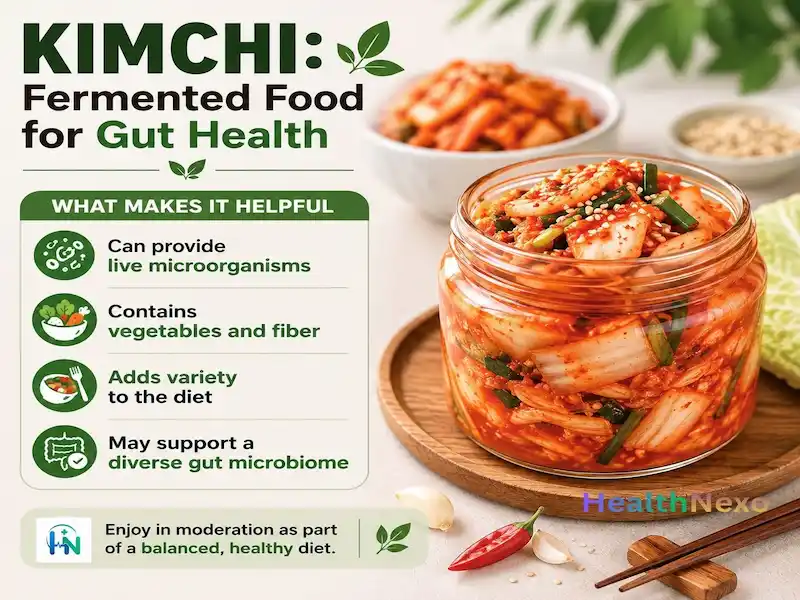
13. Kimchi: Fermented Food for Gut Health
Kimchi is a fermented vegetable dish that can contain beneficial microorganisms. It also provides vegetables and fiber, depending on the ingredients used.
What Makes It Helpful
- Can provide live microorganisms
- Contains vegetables and fiber
- Adds variety to the diet
- May support a diverse gut microbiome
How to Enjoy Kimchi: Use a small serving as a side dish with rice, vegetables, or other meals. If you need to limit sodium, check the portion size and nutrition label.
14. Whole Grains: Fiber for Better Digestion
Whole grains such as brown rice, quinoa, barley, oats, and whole wheat provide fiber, vitamins, and minerals. Regularly choosing whole grains can help support bowel regularity.
Why Whole Grains Help
- Provide dietary fiber
- Support regular bowel movements
- Help maintain digestive health
- Provide important vitamins and minerals
Easy Ways to Include Them: Replace refined grains with brown rice, whole-grain bread, quinoa, barley, or whole-wheat pasta.
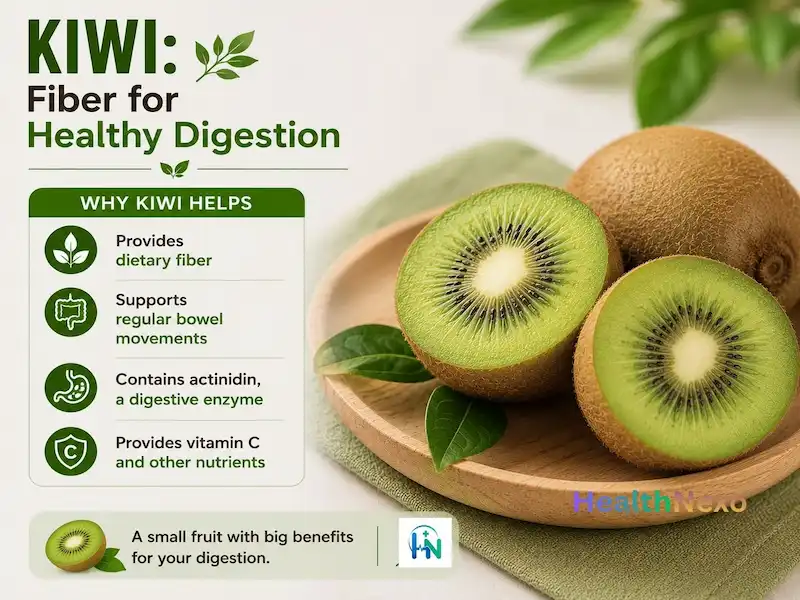
15. Kiwi: Fiber for Healthy Digestion
Kiwi is a nutrient-rich fruit that provides dietary fiber and water, which can support healthy digestion and regular bowel movements. It also contains an enzyme called actinidin, which may help with protein digestion.
Why Kiwi Helps
- Provides dietary fiber
- Supports regular bowel movements
- Contains actinidin, a digestive enzyme
- Provides vitamin C and other nutrients
Simple Ways to Eat Kiwi: Eat fresh kiwi as a snack or add it to yogurt, oatmeal, smoothies, or fruit salads.
Foods That May Affect Digestive Health
Some foods and drinks may cause digestive discomfort, especially when consumed frequently or in large amounts.
- Highly processed foods: Many are low in fiber and may be high in added sugar, saturated fat, or sodium.
- Deep-fried foods: May slow stomach emptying and cause bloating, indigestion, or discomfort in some people.
- Foods and drinks high in added sugar: Frequent high intake may affect overall diet quality and may influence the gut microbiome.
- Excessive alcohol: Can irritate the digestive tract and affect gut health.
- Carbonated drinks: May increase gas and bloating in some people.
- Very spicy foods: May trigger heartburn or stomach discomfort in some individuals.
Daily Habits to Improve Digestion Naturally
Good digestion does not solely depend on the type of food that one consumes but also on his or her way of life. The following practices can be of great importance for maintaining good digestive health.
- Eat fiber-rich foods: Include fruits, vegetables, whole grains, legumes, nuts, and seeds to support regular bowel movements.
- Stay hydrated: Drink enough fluids to help prevent hard stools and support digestion.
- Eat slowly and chew well: Thorough chewing helps break food into smaller pieces before swallowing.
- Stay physically active: Regular exercise can support normal intestinal movement.
- Manage stress: Stress can affect the gut-brain connection and digestive function.
- Avoid overeating: Appropriate portions may help reduce bloating, indigestion, and discomfort.
- Get enough sleep: Aim for 7–9 hours of quality sleep to support overall health.
Key Takeaways
- Eat a variety of fiber-rich foods every day.
- Including probiotic and prebiotic foods to support a healthy gut microbiome.
- Stay well-hydrated to promote healthy digestion and regular bowel movements.
- Limit processed, fried, and sugary foods that may affect digestive health.
- Exercise regularly, manage stress, and chew food thoroughly.
- Combine healthy eating with good lifestyle habits for long-term gut health.
Conclusion
Eating foods that improve digestion naturally can support a healthy digestive system and balanced gut microbiome. Fiber-rich foods, probiotics, fruits, vegetables, whole grains, and adequate water intake can support regular bowel movements, healthy digestion, and overall well-being.
No single food can improve digestion on its own. For long-term gut health, eat a balanced diet, stay hydrated, exercise regularly, manage stress, and maintain healthy lifestyle habits.
Frequently Asked Questions (FAQs)
Q1. What are the best foods to improve digestion naturally?
Fiber-rich foods, probiotic foods, fruits, vegetables, whole grains, and water are among the best foods for healthy digestion. They support gut health, improve digestion, and promote regular bowel movements.
Q2. Which fruit is the best for digestion?
Papaya, apples, bananas, and kiwis are good choices because they provide fiber and other nutrients that can support healthy digestion. Papaya and kiwi also contain enzymes that may help with protein digestion.
Q3. How can I improve my digestion naturally?
You can support digestion naturally by eating a balanced, fiber-rich diet, staying hydrated, exercising regularly, eating slowly, managing stress, and getting enough sleep.
Q4. Can probiotics improve gut health?
Yes. Probiotics can help support a balanced gut microbiome, which plays an important role in digestive health.
Q5. How much water should I drink for healthy digestion?
Water needs vary from person to person. Drinking enough water every day helps improve digestion, supports nutrient absorption, and keeps bowel movements regular.
References
- World Health Organization (WHO). Healthy Diet.
- National Institute of Diabetes and Digestive and Kidney Diseases (NIDDK). Your Digestive System & How It Works.
- National Institutes of Health (NIH). Probiotics Fact Sheet for Health Professionals.
- Harvard T.H. Chan School of Public Health. The Nutrition Source: Fiber.
- Harvard T.H. Chan School of Public Health. The Nutrition Source: The Microbiome.
- Gibson GR, et al. ISAPP Consensus Statement on Prebiotics. Nat Rev Gastroenterol Hepatol. 2017.
- Hill C, et al. ISAPP Consensus Statement on Probiotics. Nat Rev Gastroenterol Hepatol. 2014.
- Makki K, et al. The Impact of Dietary Fiber on Gut Microbiota in Host Health and Disease. Cell Host & Microbe. 2018.
⚕️ Medical Disclaimer
The information provided in this article is for educational and informational purposes only. It is not intended to be a substitute for professional medical advice, diagnosis, or treatment. Always consult a qualified healthcare professional before making any medical decisions, starting any treatment, or changing your current healthcare plan.

Md. Rakibul Hasan, BSc (Hons), MS (Thesis)
Biochemistry & Molecular Biology, University of Chittagong, Bangladesh
Senior Biochemist | Health Content Writer | Evidence-Informed Health Information Creator
Popular Diagnostic Centre Limited, Bangladesh.
He specializes in clinical biochemistry, laboratory diagnostics, and medical testing. Alongside his professional work, he is actively involved in health education and scientific communication.
As a Health Content Writer and Research-Based Health Information Creator, he simplifies complex medical and biochemical topics into clear, evidence-informed, and reader-friendly health information.