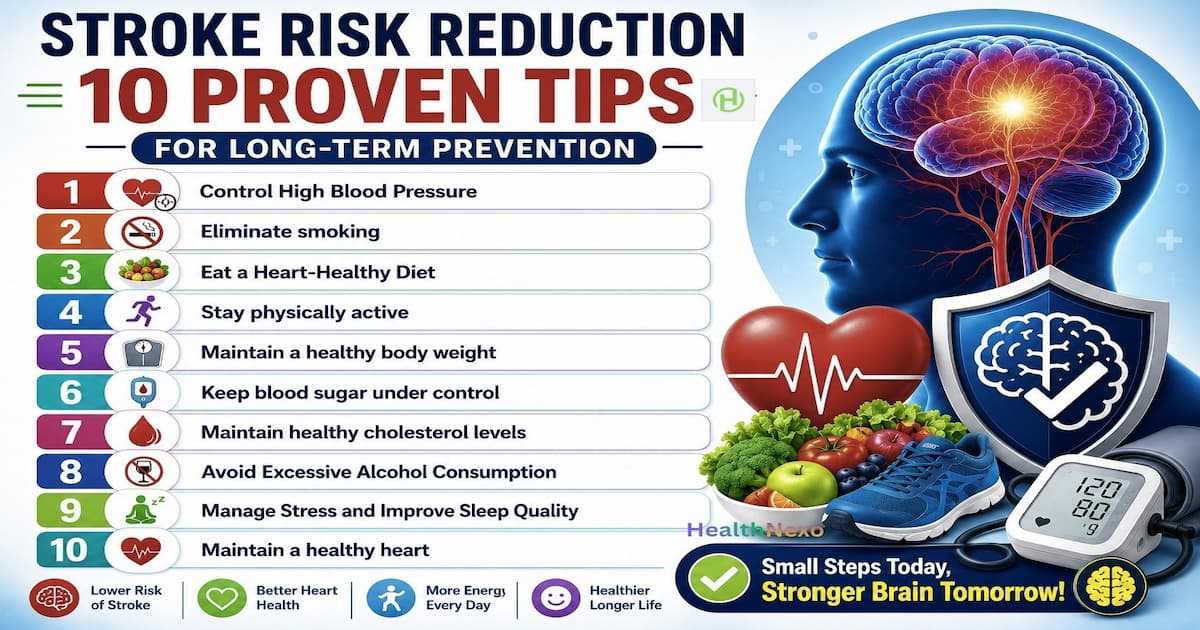
Stroke risk reduction strategies can lower your risk of stroke and help you live a healthier life. Although strokes often occur suddenly, many can be prevented by managing common risk factors and adopting a healthy lifestyle. Uncontrolled high blood pressure significantly increases the likelihood of having a stroke.
Other major risk factors include diabetes, smoking, high cholesterol, obesity, physical inactivity, and an unhealthy diet. Although some risk factors, like your family history and age, cannot be changed, many risk factors can be adjusted.
In this guide, you get 10 evidence-based Stroke Risk Reduction Strategies that you can use to protect your heart and brain. These straightforward lifestyle changes will help you to remain healthy over the long term and minimize individual stroke risk.
Stroke Statistics Worldwide
One of the main causes of death and morbidity around the globe is stroke. According to the World Health Organization (WHO), nearly 12 million people experience a first stroke each year, and approximately 94 million people worldwide are living with the effects of stroke. Moreover, about one-fourth of the population will suffer from a stroke during some years of life.
The good news is that there are quite a few strategies to prevent strokes. This means that nearly 80 percent of strokes can be attributed to preventable risk factors. Diabetes, tobacco, overweight and obesity, high cholesterol and triglycerides, hypertension, and physical inactivity are just a few examples.
Stroke explained simply
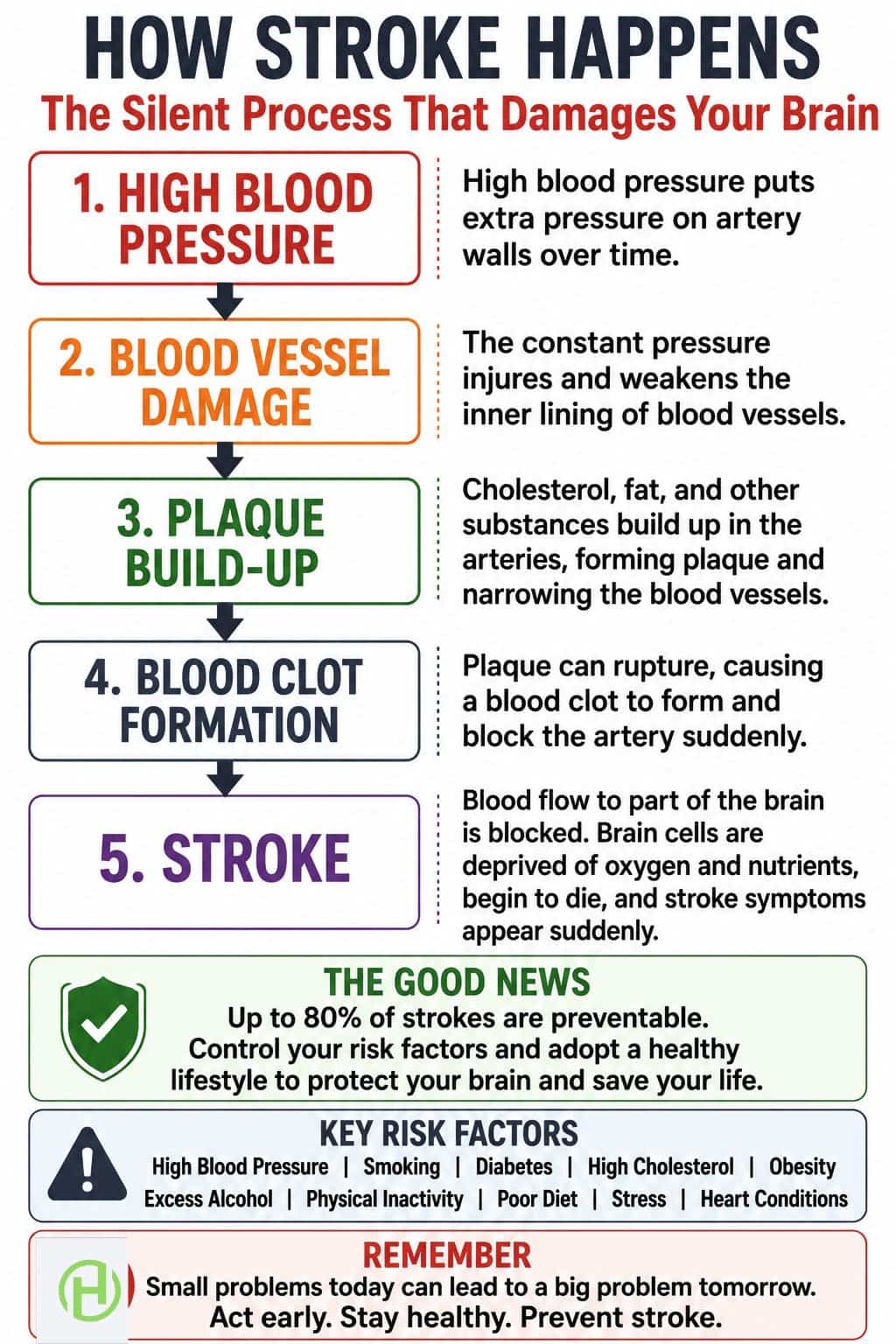
A stroke occurs when the brain’s blood supply is suddenly interrupted by a blocked artery or a ruptured blood vessel. Without enough oxygen and nutrients, brain cells begin to die within minutes, making stroke a medical emergency. Stroke is a medical emergency because, in just minutes, the blood supply cutoff to brain cells leads to the rapid death of those cells. Your brain is a metropolis, and blood vessels are the freeways that carry oxygen and nutrients to brain cells that are doing all the work. As the roads are blocked, or when they are injured, your cells in your brain can’t get what they need, and they die.
Scientific Mechanism of Stroke:
- Blocked or ruptured blood vessel → Reduced blood flow to the brain → Brain cells lose oxygen → Brain cell damage → Stroke symptoms.
Main types of stroke
There are three main types of stroke:
1. Ischemic Stroke: This is a very common type of stroke and may represent up to 85 percent of strokes. Ischemic stroke occurs when there is a clot blocking blood flow to the brain.
2. Hemorrhagic Stroke: This kind of stroke happens when a blood vessel ruptures, allowing blood to leak into or out of the brain.
3. Transient Ischemic Attack: A transient ischemic attack, or mini-stroke, occurs when the blood supply to the brain is blocked for a short time.
Most Common Causes of Stroke
There are many reasons a person could be at risk for stroke.
- High blood pressure: The leading cause of both ischemic and hemorrhagic stroke
- Atherosclerosis: Accumulation of fat on the arterial walls, narrowing or blocking the vessels supplying the brain
- Blood clots: This refers to blood clots that originate in the heart or other blood artery segments and travel to the brain.
- Atrial fibrillation (AFib): This abnormal heartbeat can lead to blood clots.
- Diabetes: High blood glucose type over a long period does harm to the blood vessels.
- Cholesterol: Contributes to the formation of fatty deposits in the arteries.
- Smoking: It damages the blood vessels, raises blood pressure, and increases the risk of blood clots.
- Obesity and physical inactivity: It leads to high blood pressure, diabetes and heart diseases.
- Alcohol abuse: This condition may increase blood pressure and some kinds of heart problems.
- Brain aneurysm: Rupture and causes hemorrhagic stroke.
Why Stroke Prevention Is Important
Along with the devastating impact on memory, speech, sight and mobility, it takes its toll on our ability to enjoy life. Stroke prophylaxis is essential for aiding in:
- Stop long-term deficits from developing
- Preserve memory and brain function
- Continue to be independent and have a busy life.
- Lessen the likelihood of further strokes
- Improve mental and cardiac health
Fortunately, up to 80% of strokes can be avoided. You have control over most stroke risk factors. Among them are smoking, obesity, hypertension, diabetes, hyperlipidemia, and lifestyle.
Who Is Most at Risk of Stroke?
However, anybody can have a stroke, but people at increased risk for stroke may be based on their genes, manner of life, or medical problems. Individuals Who Are More at Risk:
- Patients with high BP (hypertension)
- Individuals with diabetes
- People who have elevated cholesterol
- Individuals who smoke or are exposed to secondhand smoke
- People who are overweight or obese
- Physically inactive individuals
- Individuals affected by atrial fibrillation (AFib) or chronic heart disease
- People with sleep apnea
- Those who consume high quantities of alcohol
- People with poor dietary habits
- Participants (adults aged ≥55 years)
- People with a family history of stroke
- Previous TIA/stroke survivors
If these risk factors can be controlled early, the risk of having stroke can be substantially reduced.
10 Proven Stroke Risk Reduction Strategies
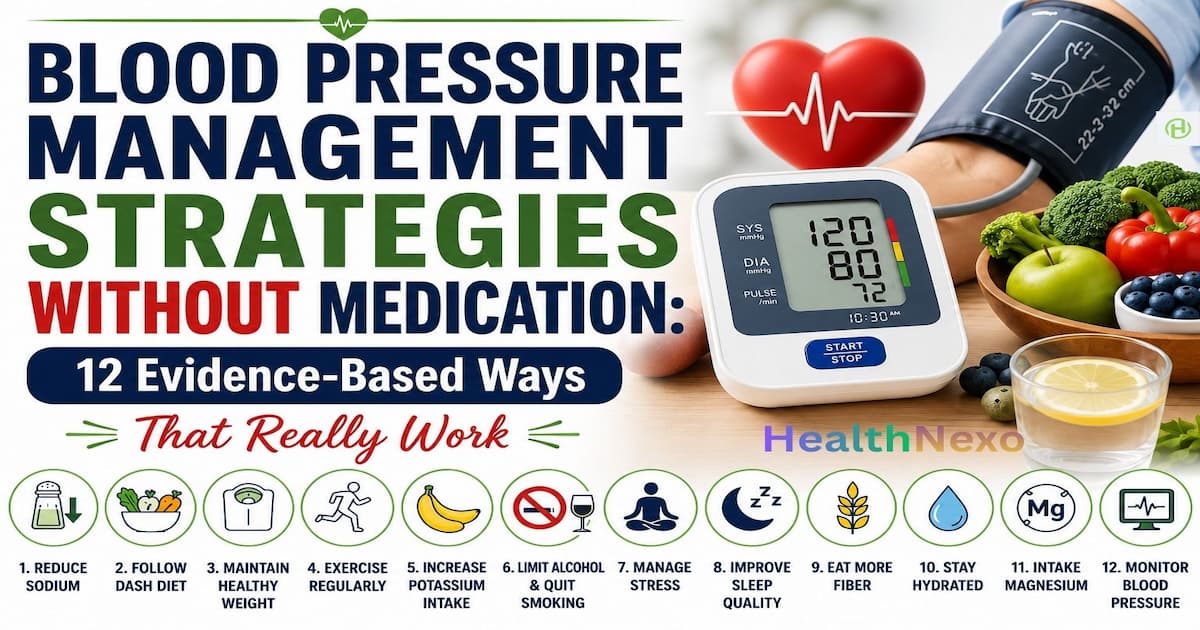
1. Control High Blood Pressure
The biggest risk factor for stroke that can be changed, is high blood pressure. Over time, high blood pressure damages blood vessels, increasing the risk of blocked or ruptured arteries that can lead to stroke.
- Biological Mechanism: Lower blood pressure → less artery damage → Better blood flow → Lower stroke risk
Practical Tips
- Monitor your blood pressure
- Decrease the intake of sodium
- Eat a number of vegetables and fruits
- Carry out physical exercise a minimum of 150 minutes per week
- Take your medications regularly
- Keep up a wholesome weight
2. Quit Smoking
One of the most prominent causes of a stroke is smoking. Smoking is an underlying cause of blood clotting, and it deteriorates blood vessels, which leads to reduced oxygen flow to the brain. However, after quitting smoking it minimizes the potential risk of formation of blood clots, plaques, and inflammation.
Practical Tips
- Set a target quit date
- Steer clear of stress caused by smoking
- Find out if counseling or support groups are an option
- Take quitting drugs when you feel you have to if a doctor has given you an anti-smoking medication.
- Keep moving to get your mind off cravings
3. Eat a Heart-Healthy Diet
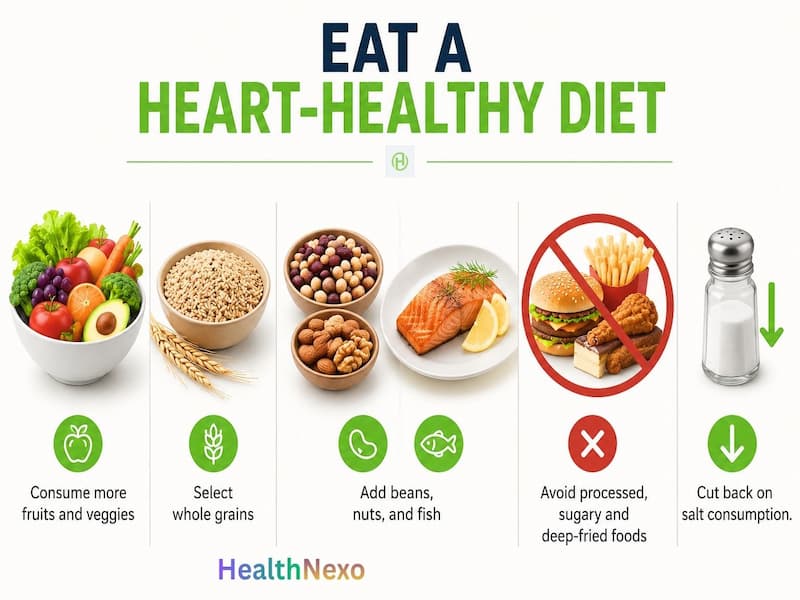
Consuming a heart-healthy diet lowers the risk of having a stroke. The diet should help you have control over blood pressure, blood cholesterol, blood glucose and weight. It can also bring down how much cholesterol (LDL) in your blood.
Practical Tips
- Consume more fruits and veggies
- Select whole grains
- Add beans, nuts, and fish
- Avoid processed, sugary and deep-fried foods
- Cut back on salt consumption
4. Stay physically active
It reduces some stroke-risk factors and strengthens your heart and blood vessels by having you exercise regularly.
How It Reduces Stroke Risk:
- Regular exercise → Lower blood pressure → Improved cholesterol and insulin sensitivity → better circulation → Healthier blood vessels → lower stroke risk
Recommended Activity
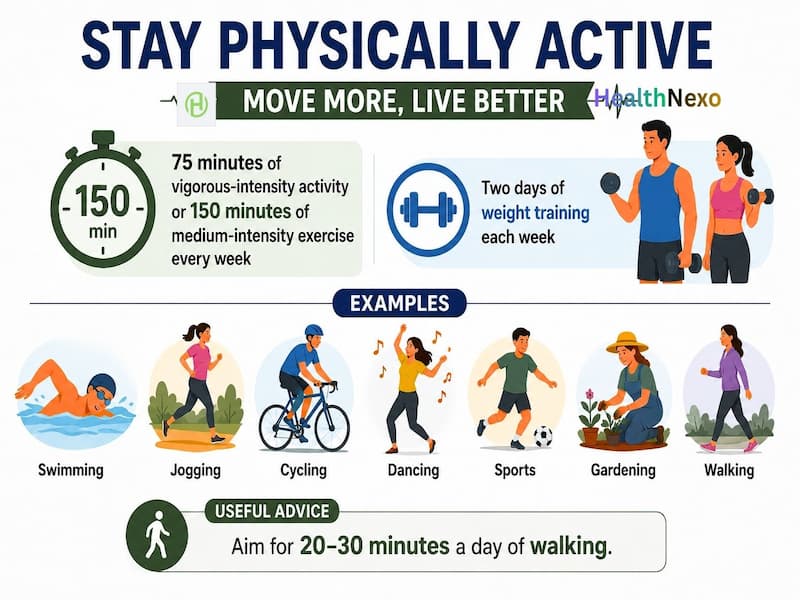
- 75 minutes of vigorous-intensity activity or 150 minutes of medium-intensity exercise every week
- Two days of weight training each week
Best Examples
- Swimming
- Jogging
- Cycling
- Dancing
- Sports
- Gardening and walking
Useful Advice
- Aim for 20–30 minutes a day of walking.
- Take the stairs when possible
- If you sit an hour or more away, it is best to stand up a few seconds every hour.
- Select an activity you will keep enjoying and stick to it for the long-term.
5. Maintain a healthy body weight
Healthy weight may reduce your risk for stroke. Your normal body weight plays an important role in controlling your blood pressure, sugar and cholesterol. Additionally, your body will not just become less inflamed but will also increase insulin sensitivity.
Healthy Weight Tips
- Eat healthy, portion controlled foods
- Avoid sugary snacks and drinks
- Be active in daily activities
- Get seven to eight hours of sleep every night
- Establish reasonable weight targets.
- Heart and brain health can be greatly enhanced by even a 5–10% weight loss.
6. Keep blood sugar under control
Having diabetes increases your chance of stroke, because too much blood sugar can damage blood vessels over time.
How It Works:
- Well-controlled blood sugar → Less blood vessel damage → Reduced plaque buildup → Better blood flow → Lower ischemic stroke risk
Practical Tips
- Monitor your blood sugar frequently
- Take medication as prescribed
- Follow a healthy meal plan
- Be active regularly
- Maintain your body weight
- Schedule and attend routine health care visits and take routine HbA1c lab work.
- Control diabetes, blood pressure and blood sugar
7. Maintain healthy cholesterol levels
High LDL (“bad”) cholesterol increases the risk of ischemic stroke by promoting plaque buildup in the arteries. Fatty substances build up in your arteries as high cholesterol and this can lead to a blocked artery in your brain forming a clot.
How This Prevents Stroke:
- Lower LDL cholesterol → Less plaque buildup in arteries → Improved blood flow → Reduced stroke risk
Practical Tips
- Consume beans
- Wide range of vegetables
- Fruits
- High-fiber items, for example, entire grain items
- Include heart-healthy fats such as nuts, seeds, and olive oil in your diet.
- Limit foods that contain trans fats and high amounts of saturated fat.
- Make exercise a habit
- Keep the body weight in check
Note: Take cholesterol-lowering medications, including statins, only as prescribed by your healthcare provider.
8. Avoid Excessive Alcohol Consumption
Drinking less alcohol could potentially reduce your risk of stroke. Lowering alcohol intake could also assist with blood pressure control and decrease the risk of inflammation. In addition to this, alcohol could be responsible for increasing your risk of atrial fibrillation or another type of irregular heart rate.
Practical Tips:
- Drink alcohol only in moderation
- Avoid binge-drinking
- Alternate with water
- Get help on the off chance that you need to reduce admission
9. Manage Stress and Improve Sleep Quality
Stress and poor sleep have been associated with high blood pressure, a risk factor for cardiovascular and cerebrovascular diseases, and stroke.
How This Strategy Works:
- Stress management and quality sleep → Lower stress hormones → Reduced inflammation → Healthier blood vessels → Lower stroke risk
Practical Tips:
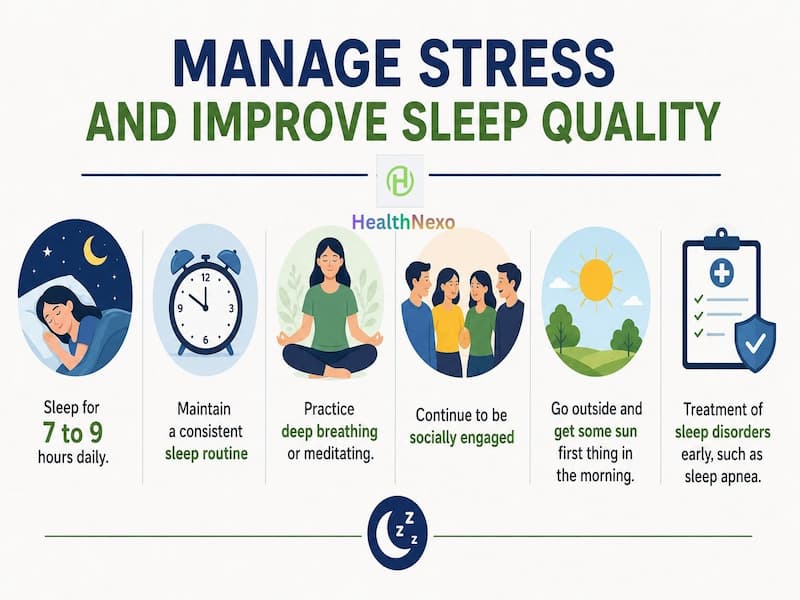
- Sleep for 7 to 9 hours daily.
- Maintain a consistent sleep routine
- Practice deep breathing or meditating.
- Continue to be socially engaged
- Spend a few minutes outdoors in the morning to get natural sunlight.
- Treatment of sleep disorders early, such as sleep apnea
10. Maintain a healthy heart
The better your heart, the less your risk of stroke. If you have any serious heart disease, heart failure, or atrial fibrillation (AFib), follow your treatment plan and take your medications as prescribed. Properly managing the condition may reduce the risk of blood clots and stroke caused by blood clots that block blood flow to the brain.
Practical Tips:
- Go for regular medical checkups
- Take prescribed medicines consistently
- Constantly showing blood pressure and heart rate
- Handle early reports with symptoms like chest pain, dizziness, or palpitations
- Use anticoagulants if prescribed
Summary table of stroke risk reduction strategies
| Strategy | How It Helps Reduce Stroke Risk | Key Action |
| 1. Control High Blood Pressure | Protects blood vessels and lowers the risk of artery blockage or rupture. | Monitor blood pressure, reduce salt, and take prescribed medication. |
| 2. Quit smoking | Reduces blood vessel damage, inflammation, and blood clot formation. | Quit smoking, avoid triggers, and seek support if needed. |
| 3. Eat a Heart-Healthy Diet | Lowers cholesterol, blood pressure, inflammation, and plaque buildup. | Eat fruits, vegetables, whole grains, fish, and healthy fats. |
| 4. Stay physically active | Improves heart health, blood circulation, and blood pressure while reducing obesity risk. | Get at least 150 minutes of moderate exercise per week. |
| 5. Maintain a healthy body weight | Reduces blood pressure, diabetes risk, cholesterol, and inflammation. | Eat balanced meals, stay active, and aim for gradual weight loss. |
| 6. Keep blood sugar under control | Prevents blood vessel damage caused by high blood sugar. | Monitor blood glucose, follow treatment, and get regular checkups. |
| 7. Maintain healthy cholesterol levels | Reduces plaque buildup and keeps arteries open for healthy blood flow. | Eat high-fiber foods, exercise, and take statins if prescribed. |
| 8. Avoid Excessive Alcohol Consumption | Helps control blood pressure and lowers the risk of abnormal heart rhythms. | Drink in moderation and avoid binge drinking. |
| 9. Manage Stress and Improve Sleep Quality | Supports healthy blood pressure, heart function, and blood vessel health. | Sleep 7–9 hours, reduce stress, and treat sleep disorders. |
| 10. Maintain a healthy heart | Prevents blood clot formation and improves blood circulation. | Follow medical treatment and attend regular heart checkups. |
Warning Signs of a Stroke
Stroke is a medical emergency. Quick recognition can save life and reduce brain damage.
- F – Face: F – Face: Ask the person to smile. If one side of the face droops or feels numb, it may be a warning sign of stroke.
- A – Arms: One arm becomes weak or numb
- S – Speech: Speech becomes slurred or unclear
- T – Time: Call emergency services immediately
Other Warning Signs:
- Sudden confusion
- Vision problems in one or both eyes
- Loss of balance or difficulty walking
- Severe, sudden headache
Important: Immediate treatment is critical. Faster care means better recovery and less brain damage.
Medication for Stroke Prevention
Prevention of stroke is healthy practice. There are many medications for prevention of stroke that are given below:
Examples include:
- Blood pressure medicines: amlodipine, lisinopril
- Statins: atorvastatin, rosuvastatin
- Antiplatelet medicines: low-dose aspirin, clopidogrel
- Anticoagulants: apixaban, warfarin (for Afib)
- Diabetes medicines: metformin
Note: Take all medications exactly as prescribed by your healthcare provider. Do not stop taking these medications and do not change how you take them unless your healthcare provider tells you to do.
Bottom Line
Stroke is a serious health condition that causes millions of deaths and long-term disabilities worldwide each year. The good news is that you can help prevent the majority of strokes. This is done by managing those risk factors that you can modify – high blood pressure, diabetes, high cholesterol, smoking and being overweight and not exercising enough.
Eating a healthy diet, staying physically active, and following your healthcare provider’s recommendations can significantly reduce your stroke risk while protecting both your heart and brain. Your health care professional will be able to guide you on how to formulate a personal plan for Stroke Risk Reduction Strategies if you have any of the following risk factors: high blood pressure, diabetes, high cholesterol level, or family history of stroke.
Frequently Asked Questions (FAQs)
Q1. What are the best ways to reduce stroke risk?
Control blood pressure, stop smoking, eat a heart-healthy diet, exercise regularly, achieve and maintain a healthy weight, manage diabetes and cholesterol, limit alcohol consumption, sleep enough, and treat disorders of the heart.
Q2. What is the biggest risk factor for stroke?
High blood pressure represents the most significant modifiable risk factor for strokes, both ischemic and hemorrhagic.
Q3. Can stroke be prevented?
Not every stroke can be averted, but nearly 80% could be prevented by adopting healthy lifestyles and proper management of medical considerations.
Q4. What foods help prevent stroke?
A fiber-rich diet is one of fruits and vegetables, whole grains, legumes, nuts, and fatty fish, but reduces salt, sugar, and unhealthy fats to keep stroke risk low.
Q5. What are the warning signs of a stroke?
Remember FAST: Facial drooping, arm weakness, speech difficulty & time to call the emergency department immediately.
References
- World Health Organization (WHO). Stroke. https://www.who.int
- American Heart Association (AHA). Life’s Essential 8®. https://www.heart.org
- American Stroke Association. Stroke Prevention. https://www.stroke.org
- Centers for Disease Control and Prevention (CDC). Preventing Stroke. https://www.cdc.gov/stroke
- National Institute of Neurological Disorders and Stroke (NINDS). Stroke Information. https://www.ninds.nih.gov
- American Diabetes Association (ADA). Standards of Care in Diabetes—2026. https://diabetesjournals.org/care
 Medical Disclaimer
 Medical Disclaimer
The information provided in this article is for educational and informational purposes only. It is not intended to be a substitute for professional medical advice, diagnosis, or treatment. Always consult a qualified healthcare professional before making any medical decisions, starting any treatment, or changing your current healthcare plan.
Tags:

Md. Rakibul Hasan, BSc (Hons), MS (Thesis)
Biochemistry & Molecular Biology, University of Chittagong, Bangladesh
Senior Biochemist | Health Content Writer | Evidence-Informed Health Information Creator
Popular Diagnostic Centre Limited, Bangladesh.
He specializes in clinical biochemistry, laboratory diagnostics, and medical testing. Alongside his professional work, he is actively involved in health education and scientific communication.
As a Health Content Writer and Research-Based Health Information Creator, he simplifies complex medical and biochemical topics into clear, evidence-informed, and reader-friendly health information.
1 thought on “Stroke Risk Reduction Strategies: 10 Proven Tips for Long-Term Prevention”