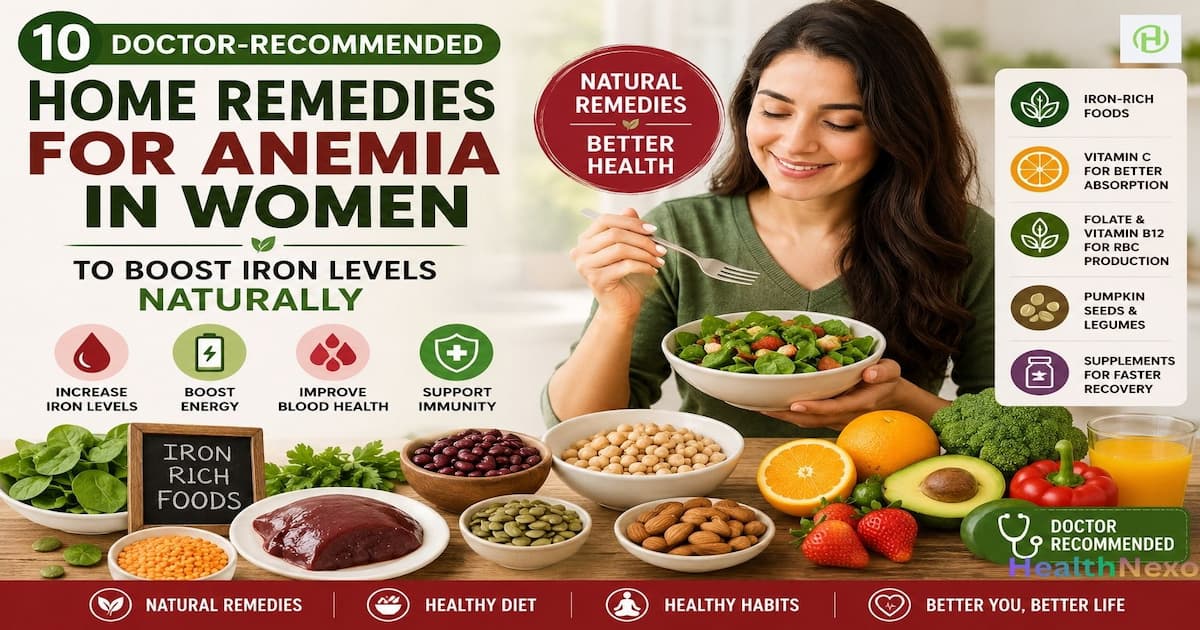
Anemia remains one of the most common health conditions affecting women worldwide. This is because of a lack of active red blood cells or hemoglobin within the body. Anemia is predominantly caused by iron deficiency during menstruation, childbirth and during pregnancy. Some of the common signs and symptoms of iron deficiency anemia are weakness, fatigue, dizziness, lack of breath and pale skin. The severe form of this disorder must be managed with the supervision of a professional doctor. In the mild stage, it is quite manageable through simple methods like home remedies for anemia in women that the doctor suggested following.
In this article, natural ways you can increase your iron levels with home remedies for anemia in women if you are a sufferer of anemia and iron deficiency. Also, discover great health care tips which will assist you with recovery, sustained energy, and good health.
WHO Statistics on Anemia Prevalence
According to WHO, the data reviewed by them confirms anemia as a significant public health problem. The issue is universal with a higher rate in women and children and has reached millions of people globally. The global data are as follows:
Global Statistics:
Among the age group of 15–49 years, approximately 30% of women suffer from anemia worldwide.
- Pregnant women, approximately 37–40%, are anemic
- Children under 5 years, approximately 40+%, are anemic
- Over 1.6 billion people are affected in the general estimation.
Health Impact of Anemia
WHO showed that anemia is a major public health problem based on their statistical data analysis. Beyond a simple nutritional deficit because it is associated with:
- Increased maternal risks for delivery and childbirth
- Diminished physical and mental abilities
- Reduced energy and productivity
- Stunted physical and mental development in children
What is anemia disease
Anemia occurs when the body does not have enough healthy red blood cells or hemoglobin to carry oxygen efficiently. Red blood cells are used to carry sufficient amounts of iron around your body. This is what the oxygen carried around the body in red blood cells has iron in; it is called hemoglobin. Symptoms of having not enough red blood cells to carry around the body are tiredness, weakness, breathlessness, poor concentration and dizziness. Another symptom that people suffering with anemia display is pallor.
People are suffering from anemia for different reasons, such as:
- Iron deficiency
- B12 vitamin deficiency
- Folate deficiency
- Chronic disease
- Inherited blood disorders
The most common type is iron deficiency anemia, which is caused by blood loss during the menstrual period and pregnancy.
All Types of Anemia
Anemia is described as a medical condition when your body does not get a sufficient amount of hemoglobin and red blood cells. Different types of anemia exist as follows:
1. Iron deficiency anemia: Common anemia characterized by iron insufficiencies.
2. Vitamin deficiency anemia: Caused by a lack of vitamin B12 or folic acid.
3. Aplastic anemia: Bone marrow cannot create enough blood cells
4. Hemolytic anemia: A condition that results from red blood cells dying faster than normal.
5. Sickle cell anemia: It is genetically transmitted. In sickle cell anemia, red blood cells take a sickle-like shape.
6. Anemia due to chronic disease: It stems from underlying medical conditions like kidney disease or cancer.
7. Thalassemia: Inherited condition where the body produces abnormal hemoglobin.
8. Pernicious anemia: Pernicious anemia arises due to poor absorption of vitamin B12 in the body.
9. Blood loss anemia: The body may lose blood slowly or rapidly, leading to blood loss anemia.
10. Hemorrhagic Anemia: Severe anemia caused by heavy or sudden blood loss.
11. Megaloblastic Anemia: Happens due to lack of vitamin B12 or folate, causing large, weak red blood cells.
Common causes of anemia in women
Before trying home remedies, it is important to understand the common causes of anemia in women such as:
- Heavy menstrual bleeding
- Pregnancy and breastfeeding
- Iron-deficient diet
- Poor iron absorption
- Gastrointestinal disorders
- Vitamin B12 deficiency
- Folate deficiency
- Chronic diseases
- Frequent blood loss
- Certain medications
Common symptoms of anemia in women
Common symptoms include:
- Persistent fatigue
- Weakness
- Pale skin
- Dizziness
- Headaches
- Shortness of breath
- Cold hands and feet
- Rapid heartbeat
- Brittle nails
- Difficulty concentrating
Lab test to diagnose iron deficiency anemia
A diagnosis of iron deficiency anemia relies on both lab findings and a physical assessment. In laboratory studies, the overall body stores of iron, the amount of anemia and the cause are evaluated.
Blood Tests for Iron Levels
1. Complete Blood Count (CBC): This is the key examination to diagnose anemia.
- Hemoglobin (Hgb): Normal value (for women): 12.30–15.30g/dL
- Hematocrit (Hct): Normal value (for women): 36% – 44%
- Red Blood Cell (RBC) Count: Normal value (for women): 4.2–5.4 millions/µL
2. Serum ferritin test: Ferritin indicates iron stores in the organism.
- Normal value (for women): 15–150 ng/mL
3. Transferrin saturation test: Transferrin saturation shows the amount of iron that is usable by an organism.
- Normal range: 20–50%
4. Serum iron test: Measures iron content in serum.
- Normal value: 60 – 170 µg/dL
10 Doctor-Recommended Home Remedies for Anemia
1. Increase Iron-Rich Foods
Home remedies for anemia in women can involve the consumption of iron by following a proper diet and lifestyle. In cases where women suffer from iron deficiency anemia, incorporating iron-rich foods into their diets can be effective in raising the iron content naturally. This will further help in forming healthy blood cells, along with raising the level of hemoglobin. It is essential for us to be aware that iron is among those vital minerals whose role involves the manufacture of hemoglobin, which helps in the transportation of oxygen throughout the body. The deficiency of iron causes reduction in the amount of hemoglobin present within the body, resulting in tiredness, weakness, and other effects of anemia.
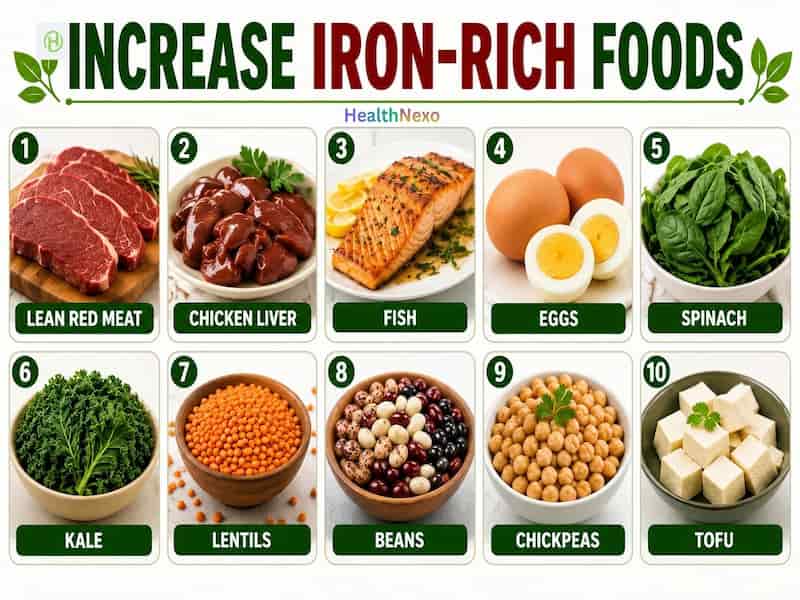
Excellent iron-rich foods include:
- Lean red meat
- Chicken liver
- Fish
- Eggs
- Spinach
- Kale
- Lentils
- Beans
- Chickpeas
- Tofu
2. Pair Irons with vitamin C
The presence of vitamin C can enhance iron absorption, particularly of non-heme or plant-based iron. The non-heme iron is better absorbed in the presence of vitamin C within food. Consuming foods high in vitamin C throughout your diet could potentially accelerate the rate of iron absorption in your body. This mixture can also be used to try and boost the utilization of iron. It may also help to improve the immune function and health.
Foods rich in vitamin C include:
- Oranges
- Lemons
- Strawberries
- Kiwi
- Guava
- Bell peppers
- Tomatoes
- Broccoli
3. Eat More Dark Leafy Greens
Dark leafy greens are also rich in iron and folate and high in antioxidants that are suitable for women with anemia. Leafy vegetables also help the formation of red blood cells and the blood flow in the body. Having spinach, kale, and mustard greens daily can maintain a good blood count, the absence of iron deficiency symptoms and be good for long-term health.
Examples include:
- Spinach
- Swiss chard
- Kale
- Collard greens
- Mustard greens
4. Consume More Lentils and Legumes for Iron
The pulses are a cheap and rich food to improve the natural content of iron and especially for women with anemia. This food is an amazing source of iron with a vegetative origin and of protein. The source of fibers helps to keep a normal amount of red blood cells and an ideal energy constant.
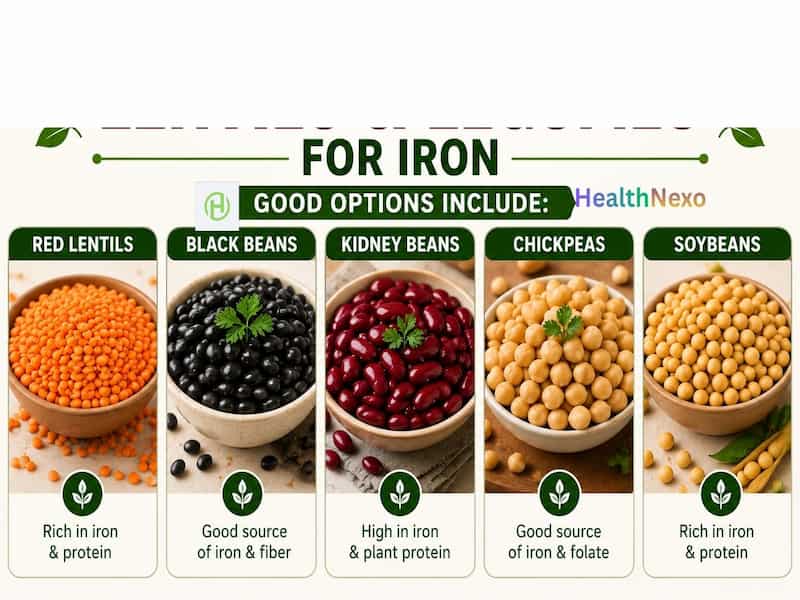
Good options include:
- Red lentils
- Black beans
- Kidney beans
- Chickpeas
- Soybeans
5. Increase intake of iron-fortified food items
Iron-fortified foods are a good and convenient way to ensure that the required iron level is met over the course of the day, especially if the person has a busy lifestyle and is not eating the naturally iron-rich foods that they should be eating. These are foods which have been fortified by adding iron during the process of manufacture.
Examples include:
- Fortified cereals
- Whole-grain bread
- Oatmeal
- Breakfast cereals
Note: Nutritional products with added iron and always check nutrition labels to identify iron-fortified options.
6. Add Pumpkin Seeds to Your Diet
Naturally occurring iron, magnesium, zinc and protein-rich food help to promote the normal production of red blood cells in women suffering from anemia. It boosts your energy levels, your immune system and improves your blood health after weeks. It is easy as just eat it daily for a snack, add it to smoothies, salads or yogurt.
Examples include:
- Snack
- Smoothies
- Salads
- Yogurt
7. Use Blackstrap Molasses
Traditional remedy used at home for naturally increasing iron. The presence of minerals in this fruit and their functions are also helpful for the betterment of the blood. Blackstrap molasses fruits contain Iron, Calcium, Magnesium, and Potassium. This may help in treating iron deficiency anemia when consumed regularly within a healthy diet. Regular moderate consumption may also benefit from the increase of the energy supply and nutritional status.
How to use:
- Take 1 tablespoon of black strap molasses
- Mix it in warm water or milk and consume once daily.
It contains:
- Iron
- Calcium
- Magnesium
- Potassium
Note: Even though blackstrap molasses has some amount of iron, it cannot substitute the medicine or Iron supplements in treatment of iron deficiency anemia.
8. Increase Folate-Rich Foods
This vitamin B helps with the creation of red blood cells and can help to prevent anemia like megaloblastic anemia. This vitamin is very important for the well-being of women’s blood and fetus development. Folate levels support energy and correct bodily function.
Foods rich in folate include:
- Avocados
- Lentils
- Asparagus
- Spinach
- Broccoli
- Brussels sprouts
9. Ensure adequate vitamin B12 intake
Possible home remedies for anemia in women would be the consumption of more Vitamin B12. It is required for the formation of red blood cells as well as proper nerve function. Lack of it will result in megaloblastic anemia, with fatigue and weakness among its symptoms. This particular vitamin is available only in animal-based products.
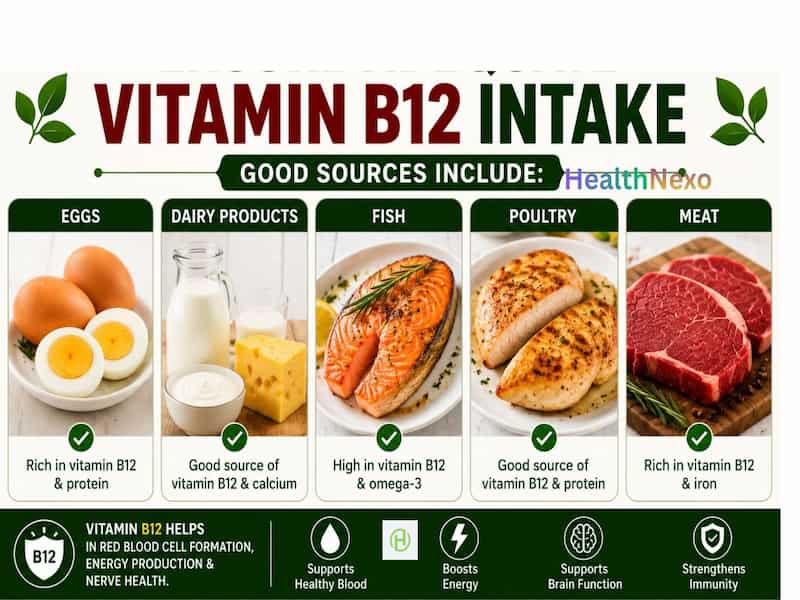
Good sources include:
- Eggs
- Dairy products
- Fish
- Poultry
- Meat
10. Reduce intake of iron-absorption inhibitors
Certain foods and drinks may decrease or prevent the absorption of iron in the body, and therefore have an inhibitory effect on iron therapy. These are substances which either compete with or bind to iron and thus inhibit its absorption in a bio-available form. The correct timing of intake is very important.
Avoid or limit:
- Tea
- Coffee
- Excess dairy products
- Calcium supplements during iron-rich meals
Tips:
- Leave a gap of 1–2 hours between iron-rich foods and these foods.
- Consume iron supplement with vitamin C-rich foods for better absorption.
- Schedule your meals in such a way that iron-rich foods are not consumed together with inhibitors.
Supplementation Strategies for Optimal Iron Levels
Iron supplementation may be prescribed when dietary iron is insufficient to manage iron deficiency anemia. These supplements also help to rebuild normal hemoglobin levels.
1. Oral Iron
Common types:
- Ferrous sulfate
- Ferrous fumarate
- Ferrous gluconate
How to take:
- Best on an empty stomach
- Take with vitamin C for better absorption.
- Avoid tea, coffee, and calcium during use
Side effects:
- Nausea
- Constipation
- Dark stools
2. IV Iron
- Used in severe cases or when oral iron is not effective.
Key Takeaway
Home remedies for anemia in women can assist in raising iron levels naturally. Increasing intake of iron-rich foods, green leafy vegetables, legumes, pumpkin seeds and iron-rich fruits may aid in the development of red blood cells. Foods rich in vitamin C and folate also aid in iron absorption within the body.
Iron supplements are sometimes prescribed by doctors for anemia treatment to assist in raising iron levels in the blood at a faster rate. For the most part, these home remedies for anemia in women, coupled with proper supplementation and diet, can aid in preventing tiredness and promoting an energy increase. Medical check-ups need to be done regularly and serious or prolonged effects should never be ignored.
Frequently Asked Questions (FAQs)
Q1. What is anemia in women?
Anemia in females includes low levels of hemoglobin and red blood cells resulting in poor levels of oxygen, characterized by fatigue, weakness and light-headedness.
Q2. What is the main cause of anemia in women?
Iron deficiency is the main cause resulting from pregnancy, periods, bad diet or high iron demand.
Q3. Can anemia be treated at home?
A diet with lots of iron, food and drink with vitamin C, along with change in lifestyle habits can help you recover from anemia. But in severe cases, always consult your doctor about taking any medications.
Q4. Which foods help improve iron levels naturally?
Examples of iron-rich foods are spinach, lentils, beans, pumpkin seeds, eggs, and lean meat.
Q5. Why is vitamin C important for anemia?
The body absorbs more non-heme iron (from vegetables and other plants) if consumed along with vitamin C.
 Medical Disclaimer
 Medical Disclaimer
The information provided in this article is for educational and informational purposes only. It is not intended to be a substitute for professional medical advice, diagnosis, or treatment. Always consult a qualified healthcare professional before making any medical decisions, starting any treatment, or changing your current healthcare plan.

Md. Rakibul Hasan, BSc (Hons), MS (Thesis)
Biochemistry & Molecular Biology, University of Chittagong, Bangladesh
Senior Biochemist | Health Content Writer | Evidence-Informed Health Information Creator
Popular Diagnostic Centre Limited, Bangladesh.
He specializes in clinical biochemistry, laboratory diagnostics, and medical testing. Alongside his professional work, he is actively involved in health education and scientific communication.
As a Health Content Writer and Research-Based Health Information Creator, he simplifies complex medical and biochemical topics into clear, evidence-informed, and reader-friendly health information.

4 thoughts on “10 Doctor-Recommended Home Remedies for Anemia in Women to Boost Iron Levels Naturally”