The liver performs hundreds of important jobs in the body. It helps process nutrients, produces bile, stores energy, and breaks down medicines and other substances. Because the liver is closely connected to metabolism, foods that support healthy liver function can be part of a balanced diet for long-term liver health.
No single food can detoxify, cleanse, or heal the liver. A more effective approach is to follow a balanced diet that includes vegetables, whole fruits, whole grains, legumes, fish, nuts, and healthy unsaturated fats. It is also helpful to limit added sugars and highly processed foods. For people with metabolic dysfunction-associated steatotic liver disease (MASLD), maintaining a healthy weight and staying physically active are also important.
The following 12 foods contain a variety of nutrients and phytochemicals. Yet, the research supporting each one is not equal. Rather than being seen as individual remedies for liver disease, they should be considered components of an overall diet.
Quick Summary
- Focus on an overall healthy diet rather than one “liver-friendly” food.
- Choose more vegetables, fruits, whole grains, legumes, fish, nuts, and unsaturated fats.
- Coffee, oats, green tea, garlic, berries, fatty fish, nuts, and olive oil may support liver or metabolic health, but the evidence varies.
- Limit added sugars, sugary drinks, highly processed foods, and foods high in saturated or trans fats. If you have fatty liver disease, it is important to limit alcohol intake as much as possible.
- For MASLD, gradual weight loss can reduce liver fat and may improve liver inflammation and fibrosis. NIDDK
- No single food can detox, cleanse, or cure liver disease.
How Food Affects Liver Function: The Scientific Mechanism
Food can affect liver health in several ways. These include glucose metabolism, fat metabolism, energy balance, inflammation, and oxidative stress.
- Glucose: The liver stores extra glucose and releases it when the body needs energy, helping keep blood sugar levels steady.
- Fats: Dietary fats affect how the liver handles fatty acids and triglycerides.
- Fiber: Fiber supports gut health and may also influence metabolic processes.
- Plant compounds: Polyphenols and carotenoids may affect pathways related to oxidative stress and inflammation.
- Energy balance: Eating more calories than your body needs can lead to fat buildup in the liver. Gradual weight loss may help reduce liver fat.
In simple terms, a healthy diet helps support normal glucose, fat, energy, and metabolic balance, which are all closely linked to liver health.
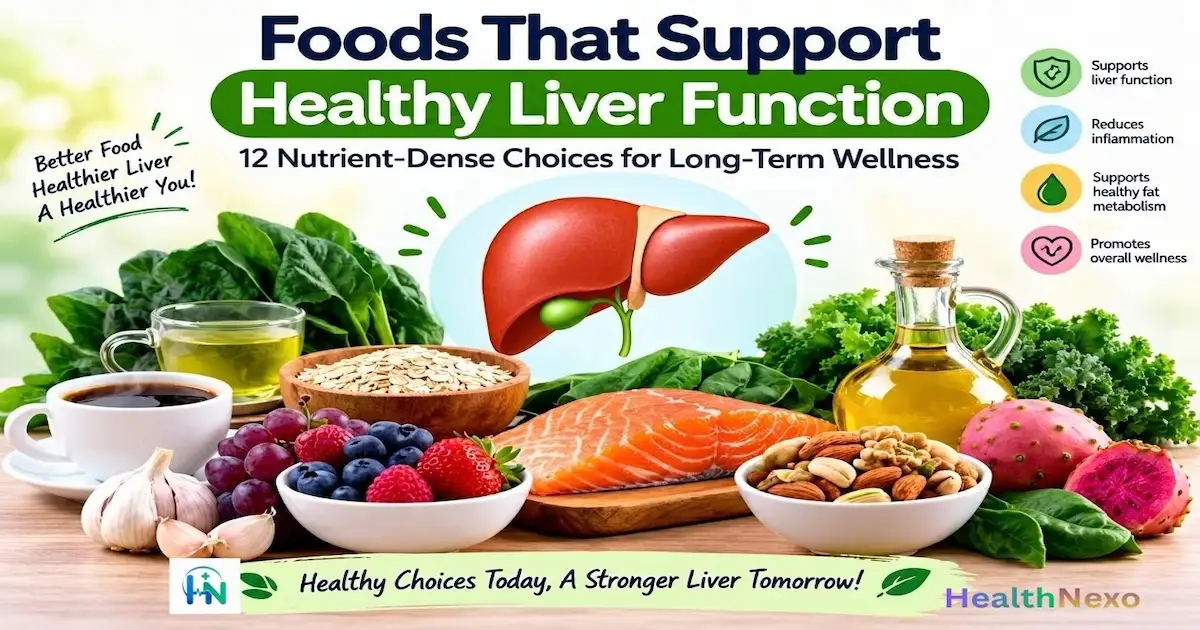
12 Nutrient-Dense Foods That Support Healthy Liver Function
Certain foods provide nutrients that support normal liver function, strengthen Immunity naturally, and overall health. Eating a balanced diet with a variety of fruits and vegetables, whole grains, healthy fats, and lean proteins can help support liver health. Here are 12 nutrient-rich foods to include in a healthy diet.
1. Coffee: A Simple Choice for Healthy Liver Function
Coffee has been widely studied for its possible effects on liver health. It contains caffeine, polyphenols, and other bioactive compounds that have been investigated for their potential effects on health. Some observational studies have linked coffee consumption with more favorable ALT, AST, and GGT levels. However, this does not prove that coffee directly protects the liver. A meta-analysis of 14 randomized controlled trials involving 897 participants found no significant overall effect of coffee consumption on ALT, AST, or GGT levels.
Practical choice: Choose plain or lightly prepared coffee. Limit added sugar, syrups, and high-calorie creamers.
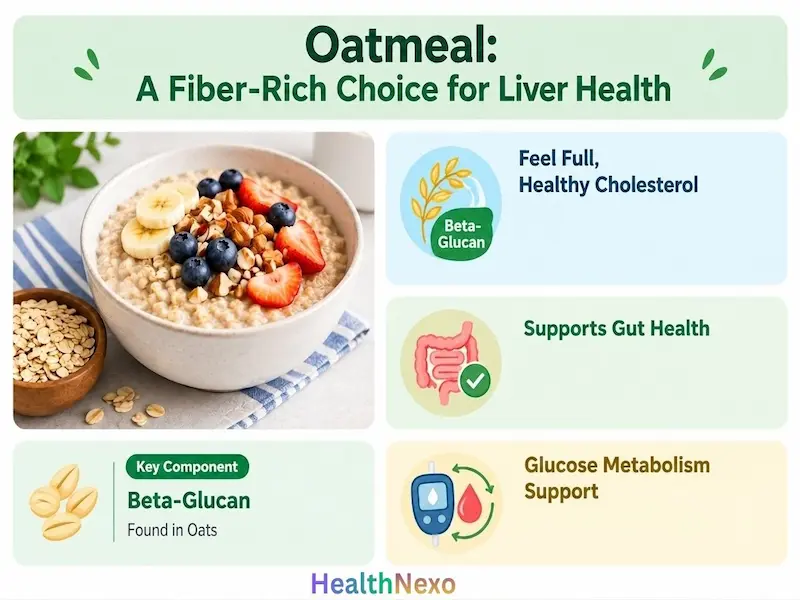
2. Oatmeal: A Fiber-Rich Choice for Liver Health
Oatmeal contains beta-glucan, which is a soluble fiber. Beta-glucan will make you feel full and aid in maintaining healthy cholesterol levels. Beta-glucan also helps in the maintenance of gut and glucose metabolism. There is evidence that oats and beta-glucans reduce both total and LDL cholesterol. There is limited scientific evidence to prove liver-related benefits of oats and beta-glucans. Therefore, oatmeal may support liver health indirectly by supporting metabolism and heart health.
Practical choice: Choose plain oats and add berries, nuts, or plain yogurt instead of large amounts of sugar.
3. Green Tea: Rich in Plant Compounds
Green tea contains catechins, including EGCG, which have been studied for their potential effects on oxidative stress and metabolic processes. However, human research on green tea and liver health has shown mixed results. A meta-analysis of 15 randomized controlled trials found no significant overall improvement in ALT, AST, or alkaline phosphatase levels. Nonetheless, green tea can serve as a source of beneficial plant compounds in a balanced diet. But it cannot be regarded as a therapy for liver diseases.
Practical choice: Choose unsweetened brewed green tea rather than concentrated green tea extracts.
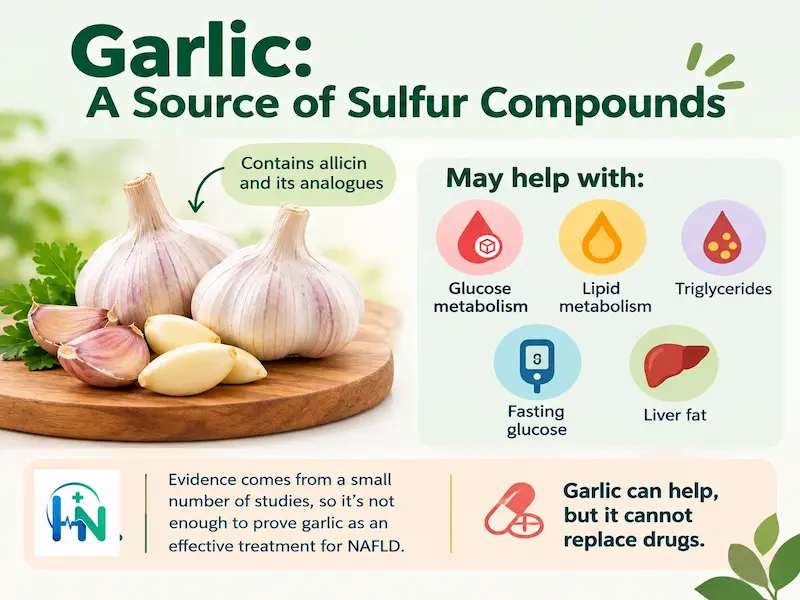
4. Garlic: A Source of Sulfur Compounds
Sulfur compounds are found in garlic, including allicin and its analogues. A meta-analysis of four studies involving 186 people with NAFLD found that garlic supplementation was associated with improvements in liver enzymes, blood lipids, triglycerides, fasting glucose, and liver fat. However, the evidence is based on a few studies, so these findings are not enough to establish garlic as an effective treatment for NAFLD. Garlic can help with glucose and lipid metabolism, but it cannot replace drugs.
Practical choice: Use fresh garlic regularly in meals rather than relying on garlic supplements.
5. Berries: Rich in Fiber and Polyphenols
Berries such as blueberries, strawberries, raspberries, and blackberries provide fiber, vitamin C, and plant compounds such as anthocyanins. These nutrients can support normal metabolism and the body’s antioxidant defenses. Higher fruit and vegetable intake has also been associated with a lower risk of fatty liver disease. However, these findings come mainly from observational studies, so they do not prove that eating more fruits and vegetables directly prevents fatty liver disease. It is thus a straightforward way to incorporate nutrient-filled whole foods into one’s diet.
Practical choice: Choose whole berries instead of sweetened berry products or fruit juices.
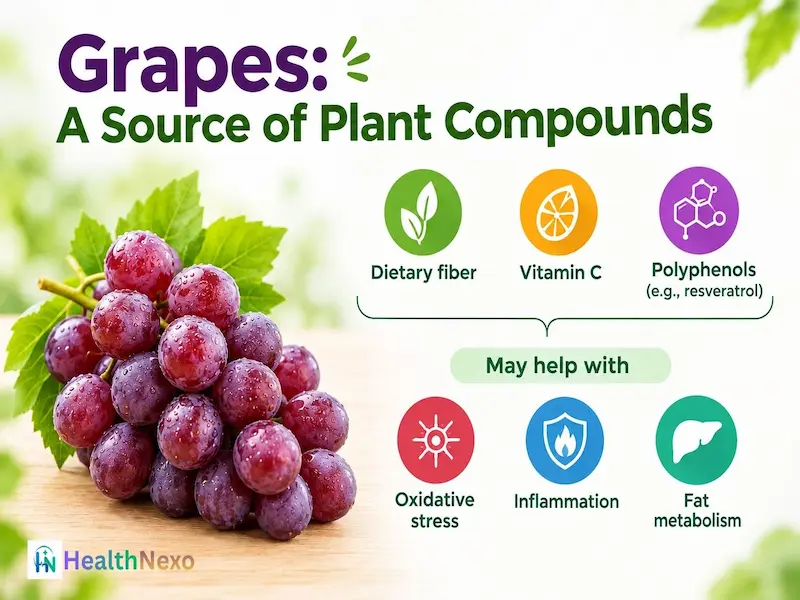
6. Grapes: A Source of Plant Compounds
Grapes provide dietary fiber, vitamin C, and polyphenols such as resveratrol. These plant compounds have been studied for their potential effects on oxidative stress, inflammation, and fat metabolism. However, much of the research on the specific effects of grapes on liver health comes from laboratory and experimental studies. Human evidence is still limited. Grapes can be part of a balanced, healthy diet, but they should not be considered a treatment for liver disease.
Practical choice: Choose whole grapes rather than relying on resveratrol supplements.
7. Grapefruit: Rich in vitamin C and Flavonoids
Grapefruit contains vitamin C, fiber, and flavonoids like naringin and naringenin. These compounds have been studied for their potential effects on antioxidant activity and other processes in the body. However, there is not enough human evidence to recommend grapefruit as a treatment or remedy for liver problems. Grapefruit can be part of a healthy, balanced diet, but it is important to be cautious if you take certain medications.
Medication warning: Grapefruit and grapefruit juice can interact with some prescription medicines by affecting enzymes and transporters involved in how these drugs are processed in the body.
Practical choice: If you take regular medication, ask a doctor or pharmacist whether grapefruit is safe for you.
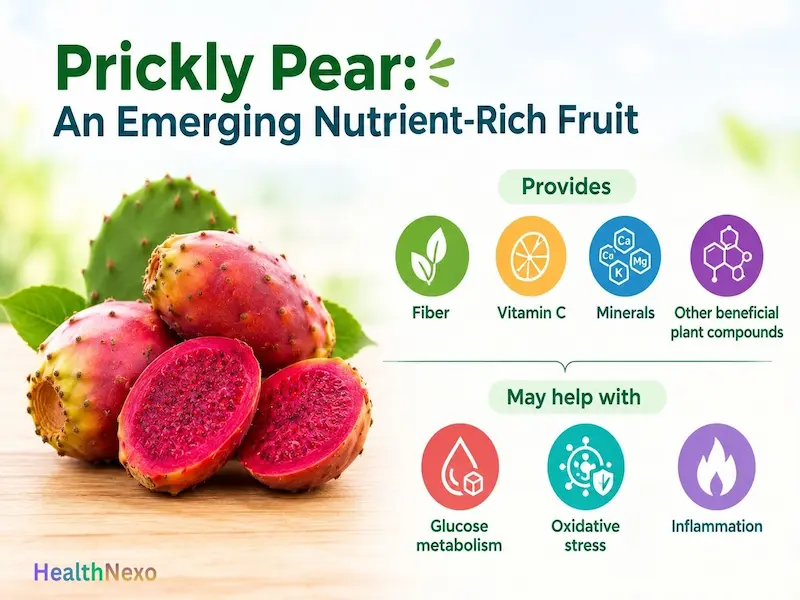
8. Prickly Pear: An Emerging Nutrient-Rich Fruit
Prickly pear provides fiber, vitamin C, minerals, and other beneficial plant compounds. Early research has explored its potential effects on glucose metabolism, oxidative stress, and inflammation. However, there is not enough direct human evidence to show that prickly pear provides specific benefits for liver health. Prickly pear can be a nutritious addition to a balanced diet, but it should not be considered a liver-cleansing food.
Practical choice: Enjoy prickly pear as a whole fruit rather than relying on concentrated supplements or extracts.
9. Leafy Greens: Packed With Essential Nutrients
Dark green leafy vegetables such as spinach, kale, and mustard greens provide fiber, folate, vitamin K, carotenoids, vitamin C, and potassium. These nutrients support normal metabolism and the body’s antioxidant defenses. Leafy greens are also naturally low in calories while providing plenty of nutrients and volume, making them a useful part of a balanced diet. Their importance is not based on any particular cleansing property for the liver.
Practical choice: Include a variety of leafy greens in salads, soups, cooked dishes, or other meals.
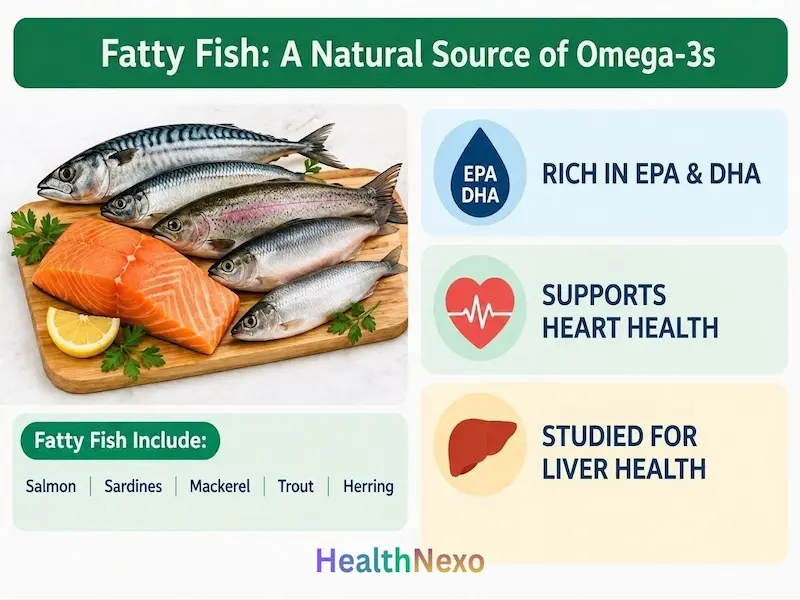
10. Fatty Fish: A Natural Source of Omega-3s
Salmon, sardines, mackerel, trout, and herring contain EPA and DHA omega-3 fatty acids. These fatty acids play a role in lipid metabolism and cardiometabolic processes. Omega-3 fatty acids have been studied for their potential effects on liver fat accumulation and other metabolic markers, although clinical findings have not been entirely consistent.
A 2025 meta-analysis of 20 randomized controlled trials involving 1,615 participants found that omega-3 supplementation improved GGT levels and ultrasound-assessed liver steatosis. However, it did not significantly improve AST, ALT, MRI-based liver fat content, liver stiffness, or liver histology. The researchers also noted differences among the studies and the need for more high-quality clinical trials. Fish rich in fatty acids can help promote metabolic and cardiometabolic health. It should not be used to treat MASLD.
Practical choice: Include fatty fish regularly as part of a balanced diet when practical.
11. Nuts: Healthy Fats, Fiber, and Micronutrients
Nuts such as walnuts, almonds, pistachios, and peanuts provide unsaturated fats, protein, fiber, vitamin E, magnesium, and other important nutrients. Observational studies have found that higher nut consumption is associated with a lower risk of NAFLD. However, these studies cannot prove that eating nuts prevents or treats NAFLD.
A 2023 meta-analysis of 11 observational studies also found an inverse association between nut consumption and NAFLD risk. More research is needed to determine whether nuts directly influence liver health.
Practical choice: Choose unsalted nuts and keep portions moderate because nuts are energy-dense.
12. Extra-Virgin Olive Oil: A Source of Healthy Unsaturated Fat
Extra-virgin olive oil is rich in monounsaturated fat, particularly oleic acid, as well as phenolic compounds. One of its main benefits is that it can replace fats that are higher in saturated fat. However, research on its direct effects on liver health has produced mixed results. A 2024 meta-analysis of seven randomized controlled trials involving 515 people with NAFLD found no significant changes in ALT or AST levels, although a modest reduction in BMI was observed.
Extra-virgin olive oil can be part of a healthy dietary pattern, but it should not be considered a treatment for liver disease.
Practical choice: When possible, use extra-virgin olive oil instead of fats that are higher in saturated fat.
The Bigger Picture: Your Overall Diet Matters More
Liver health depends more on your overall eating pattern than on any single food. A healthy diet should include plenty of vegetables, fruits, and whole grains, along with healthy unsaturated fats instead of less healthy fats. It is also important to limit added sugars and highly processed foods. A practical liver-supportive eating pattern can include:
- Vegetables and leafy greens
- Whole fruits
- Whole grains and legumes
- Fish and other nutritious protein sources
- Nuts, seeds, and unsaturated fats
For people with MASLD who are overweight or have obesity, gradual weight loss may help lower the amount of fat in the liver. According to NIDDK, losing about 3–5% of body weight can reduce liver fat, while a weight loss of up to 7–10% may be needed to improve liver inflammation and fibrosis. Regular physical activity can also benefit liver health, even when it does not lead to weight loss.
It should not be about finding the “superfood.” Rather, you should aim at eating nutrient-rich and unprocessed foods.
Foods and Drinks to Limit
Adding nutritious foods is only one part of a liver-supportive diet. It is also helpful to reduce foods and drinks that can negatively affect overall metabolic health.
Try to limit:
- Sugary drinks and foods with lots of added sugar.
- Highly processed foods
- Foods that are high in saturated or trans fats.
- Excess calories and very large portions
- Alcohol, particularly if you have fatty liver disease
NIDDK recommends limiting foods and drinks high in simple sugars and choosing unsaturated fats instead of saturated and trans fats. For people with fatty liver disease, limiting alcohol intake is also recommended.
Bottom Line
Foods that support healthy liver function are best viewed as part of a balanced, long-term diet—not as liver-cleansing remedies. Coffee, oats, green tea, garlic, berries, grapes, grapefruit, prickly pear, leafy vegetables, fatty fish, nuts, and olive oil provide a variety of nutrients and plant compounds. However, the evidence for their specific effects on liver health varies from one food to another.
For long-term liver health, it is better to focus on an overall balanced eating pattern that includes whole foods, whole grains, legumes, fish, nuts, and sources of unsaturated fats.
Frequently Asked Questions (FAQs)
Q1. What foods support healthy liver function?
Foods such as coffee, oats, berries, leafy greens, fatty fish, nuts, and olive oil can be part of a balanced diet that supports liver and metabolic health.
Q2. What is the best food for liver health?
There is no single best food for the liver. An overall diet rich in vegetables, fruits, whole grains, legumes, fish, nuts, and unsaturated fats is more important.
Q3. Can foods help reduce fatty liver?
A healthy diet can support weight management and metabolic health, which may help reduce liver fat in people with MASLD. However, no individual food can cure fatty liver.
Q4. What drinks are good for liver health?
Plain coffee and unsweetened green tea can fit into a healthy diet. They should not, however, be considered liver-detox drinks or treatments.
Q5. What foods should you limit for better liver health?
Limit sugary drinks, added sugars, highly processed foods, and foods high in saturated or trans fats. Alcohol may also need to be minimized, especially if you have fatty liver disease.
Q6. Can food detox or cleanse the liver?
No specific food can “detox” or cleanse the liver. A healthy overall diet is a more evidence-based approach than relying on detox foods or supplements.
Medical Disclaimer
The information provided here is for educational purposes only and is not intended to diagnose, treat, or prevent any medical condition. Although the foods discussed may support a healthy diet, they should not replace medical treatment or advice from a qualified healthcare professional.
If you have liver disease, abnormal liver function test results, or regularly take medication, consult a qualified healthcare professional for personalized advice.
Selected Scientific References
- NIDDK — Eating, Diet, & Nutrition for NAFLD & NASH Read the official guidance
- NIDDK — Treatment for NAFLD & NASH Read the official guidance
- Coffee Consumption and Liver Function — Systematic Review and Meta-analysis of 14 Randomized Trials Read on PubMed
- Green Tea and Liver Enzymes — Systematic Review and Meta-analysis of Randomized Clinical Trials Read on PubMed
- Green Tea — LiverTox, National Library of Medicine Read the review
- Garlic Supplementation and NAFLD — Systematic Review and Meta-analysis Read on PubMed
- Omega-3 Fatty Acids and NAFLD — 2025 Meta-analysis of Randomized Controlled Trials Read on PubMed
- Nut Consumption and NAFLD — Systematic Review and Meta-analysis Read on PubMed
- Olive Oil and NAFLD — 2024 Systematic Review and Meta-analysis Read on PubMed
- Fruit and Vegetable Intake and NAFLD Risk — 2024 Meta-analysis Read the full study
- FDA — Grapefruit and Medication Interactions Read the official guidance

Md. Rakibul Hasan, BSc (Hons), MS (Thesis)
Biochemistry & Molecular Biology, University of Chittagong, Bangladesh
Senior Biochemist | Health Content Writer | Evidence-Informed Health Information Creator
Popular Diagnostic Centre Limited, Bangladesh.
He specializes in clinical biochemistry, laboratory diagnostics, and medical testing. Alongside his professional work, he is actively involved in health education and scientific communication.
As a Health Content Writer and Research-Based Health Information Creator, he simplifies complex medical and biochemical topics into clear, evidence-informed, and reader-friendly health information.