
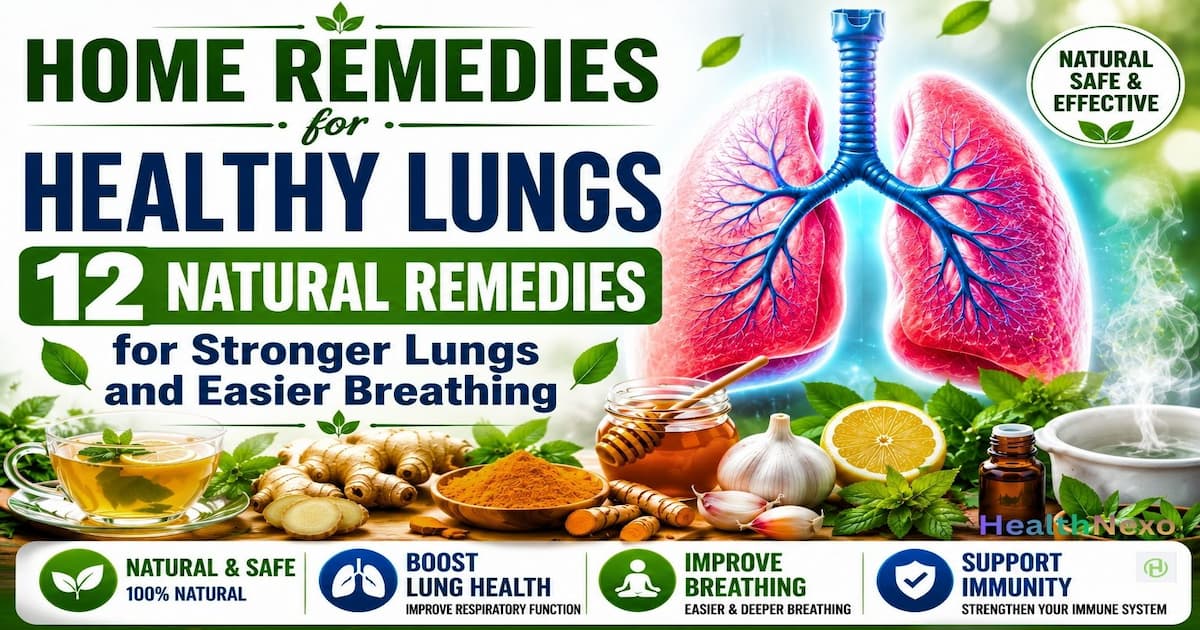
Lungs play an important role in conducting oxygen to your whole body and have a positive impact on your health and wellbeing. However, factors like smoking, air pollution, respiratory infections, and an unhealthy lifestyle can gradually impair lung function.
Most people search for home remedies for healthy lungs to support better breathing and maintain respiratory wellness naturally. Although these natural treatments do not fully heal lung conditions. They might help maintain regular respiration and make it easier to breathe when combined with a healthy lifestyle.
In this guide, we explore 12 science-backed home remedies for healthy lungs, including ginger, turmeric, honey, garlic, steam inhalation, hydration, healthy foods, and breathing exercises. Learn their benefits, how they support lung health, and when to seek medical care.
Key Takeaways
- Good food habits, drinking lots of water, exercise and breathing support to clean air are great for your lungs.
- Ginger, turmeric, garlic, honey and Tulsi can help you take care of your respiratory health.
- Pranayama or breathing exercises are great for controlling your breath.
- Stop smoking and avoid air pollution.
Note: These home remedies for healthy lungs are fine but can’t replace any medical care.
Why Are Healthy Lungs Important?
Lungs make sure that each and every organ of our body gets their appropriate oxygen. Healthy lungs are essential because they:
- Energize the heart, brain, muscle and also other indispensable organs of the human body
- Eliminate carbon dioxide from the blood
- Help maintain normal blood pH levels
- Support physical activity and endurance
- Defend the body from airborne viruses, bacteria, and pollution
- Bolster and support immune health
- Enhance better and deeper sleep
- Improve overall quality of life
Having a lack of energy and being able to take part in activities will affect your lung health. Additionally, the risk of lung infections will increase.
Common Causes of Poor Lung Function
There are various causes that could negatively impact the functioning of the lungs, which include:
- Smoking: It’s one of the factors for COPD, lung cancer and other chronic lung diseases.
- Secondhand smoke: It may increase your chances of respiratory illness even if you never smoke.
- Air pollution: Chronic inhalation of dirty air can be harmful to the lungs.
- Indoor pollution: This refers to exposure to dust, mold, and chemicals from a home that is not properly ventilated.
- Respiratory infections: such as the flu, COVID-19, pneumonia, and bronchitis.
- Allergies: Including dust, pet, pollen, and mold allergies.
- Occupational exposure: Such as exposure to dust, chemical fumes, silica, and asbestos.
- Lack of physical activity: Being physically inactive can reduce how well and how deeply the lungs breathe.
- Lack of adequate diet: lack of nutrients, causes an increased rate of oxidation.
- Aging: The flexibility of lungs tends to decrease as we age.
Symptoms of poor lung function
Early identification of respiratory illness may prevent some of the common complications. The common symptoms are:
- Cough
- Difficulty breathing
- Wheezing
- Tight chest
- Chest pain while breathing
- Respiratory infection
- More production of mucus
- Fatigue
- Decreased exercise capacity
- Blue-colored lips/fingertips (in extreme cases)
If you have any of these symptoms for more than three weeks, please seek medical advice.
Who Is at Higher Risk?
Some people are more prone to develop breathing difficulties than others. The risk factors are:
- Smoking
- Advanced age
- Asthma
- Chronic obstructive pulmonary disease
- Diabetes
- Obesity
- Dust in occupational surroundings
- Polluted environments
- Lung disease in family history
- Weakened immunity
Research Highlights
Estimates from the World Health Organization (WHO) indicate that approximately 7 million deaths occur each year due to air pollution. It remains one of the leading environmental risks to lung and respiratory health. In a guide the American Lung Association provided for ways to maintain lung health, they suggest not smoking and that getting a good workout, a good diet, and trying not to be exposed to bad air outside are beneficial for your lungs.
Studies from PubMed confirm that many ingredients in herbs such as ginger, garlic, turmeric, and tulsi possess antioxidant and anti-inflammatory compounds which can aid in normal body function, most specifically the respiratory system. Keeping this in mind, natural remedies should not replace medical care but rather be an addition to medicine-based care and a healthy lifestyle.
- Evidence: Sources were derived from recommendations of The World Health Organization (WHO), The American Lung Association, and peer-reviewed journal articles from PubMed.
12 Best Home Remedies for Healthy Lungs
Natural remedies for healthy lungs and lungs may also improve your ability to breathe well and get relief from other lung-related conditions. These science-backed lung remedies, in addition to lifestyle and other preventive measures, will be beneficial for you to maintain good lung health:
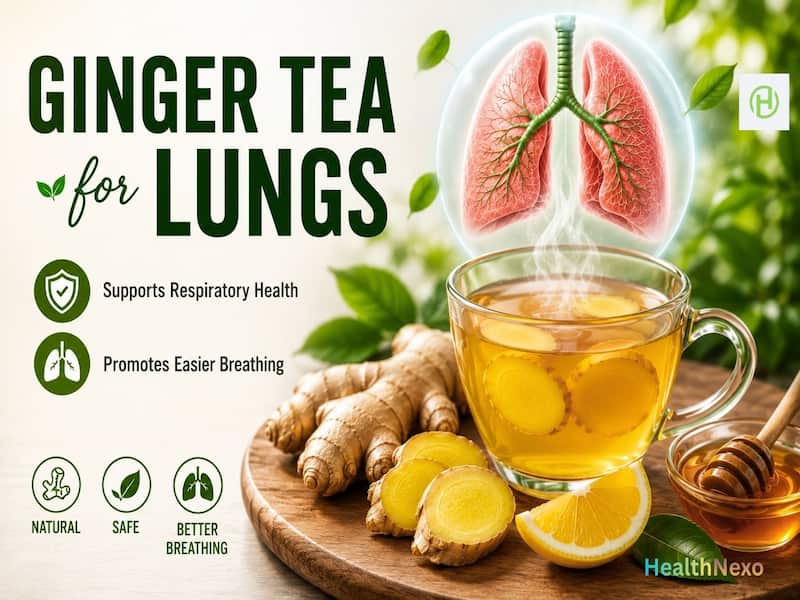
1. Ginger tea for lungs
Ginger contains 6-gingerol and 6-shogaol, naturally present compounds which possess both antioxidants and anti-inflammatory effects. A good food addition to any healthy eating plan, ginger can support the maintenance of normal breathing and provide relief in throat comfort sensations.
How This Remedy Works
Ginger (6-gingerol, 6-shogaol) → Antioxidant and anti-inflammatory activity → Helps reduce oxidative stress → Supports a healthy inflammatory response (NF-κB) → Supports normal respiratory function → Promotes respiratory comfort
How to Prepare
Ingredients
- 1–2 inches fresh ginger root
- 2 cups water
- Honey and lemon (optional)
Instructions
- Boil fresh ginger slices in water for 10–15 minutes
- Strain and sweeten with honey or lemon if you wish
Intake Recommendation: Consume 1 to 2 cups per day while maintaining a balanced and nutritious diet.
2. Turmeric Tea for Lung Health
The turmeric spice only really has one very special compound called curcumin. Curcumin is a powerful antioxidant that has its natural anti-inflammatory activity. It can also contribute to maintaining a regular respiratory system through fighting damage from free radicals within a balanced diet.
How This Remedy Works
Turmeric (curcumin) → Neutralizes free radicals → Helps reduce oxidative stress → Supports healthy inflammatory pathways (NF-κB and Nrf2) → Promotes a balanced inflammatory response → Supports normal respiratory health

How to Prepare
Ingredients
- 1 cup warm milk or water
- ½ teaspoon turmeric powder
- A pinch of black pepper
Instructions
- Mix all ingredients well and drink warm
Recommended Intake: Drink 1 cup daily
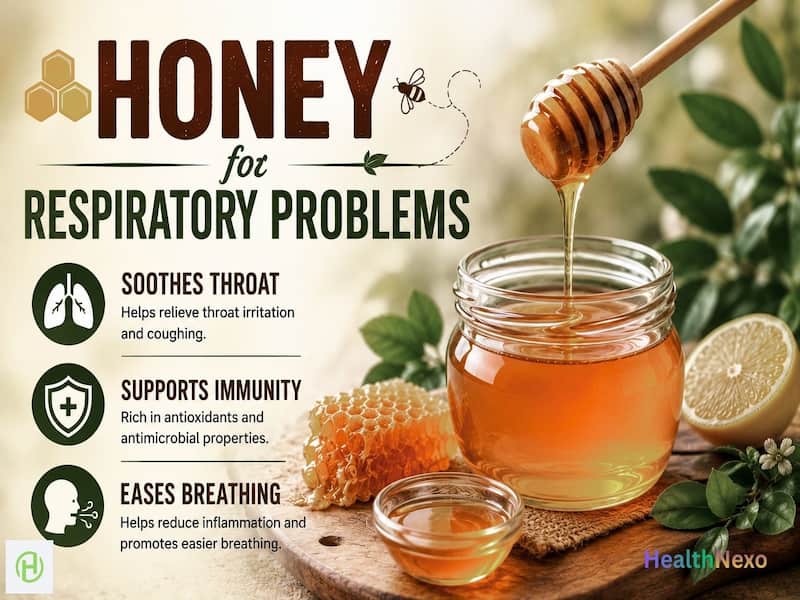
3. Honey for respiratory problems
Honey can also be useful to aid with coughs or soothe sore throats due to the honey being viscous like syrup. Honey has the ability to soothe your throat and ease mild symptoms of coughs briefly. Never give honey to infants less than a year-old due to the chance of infant botulism.
How It May Help
Honey → Coats the throat → Helps reduce irritation → Provides antioxidant support → Relieves mild cough → Promotes throat comfort
How to Use
- Use 1 teaspoon of raw honey or mix it in warm water or tea
Dosage: 1–2 teaspoons per day
Please note that honey should not be used for babies below one-year-old.
4. Steam Inhalation for Congestion Relief
Steam inhalation is believed to decongest your nose and alleviate symptoms of breathing difficulty. It may also be thought to thin mucus in your upper airways from the symptoms associated with having a cold or allergies.
How It Supports Lung Health
Warm steam → Moistens the airways → Loosens mucus → Supports mucus clearance → Reduces congestion → promotes easier breathing
Note: Never use steam inhalation if you have any chest or any infection. It might offer temporary relief to nasal congestion, but it cannot help to cure you. Take precautions to avoid using excessively hot steam to prevent your face from burning.
How to Prepare
Ingredients
- Hot (not boiling) water
- Large bowl
- Towel
Instructions: Inhale warm steam for 5–10 minutes while keeping a safe distance
Recommended Intake: Use once or twice daily when needed.
5. Warm Lemon Water for Respiratory Wellness
Warm lemon water helps you get fluids and is a source of vitamin C. Warm lemon water might help support the normal functioning of your immune system and may aid in breathing health.
How It Supports Lung Health
Warm lemon water → Supports hydration → helps keep mucus thin → Provides antioxidant support (vitamin C) → supports immune and respiratory health
How to Prepare
Ingredients
- 1 glass warm water
- Juice of ½ lemon
- Honey (optional)
Instructions:
- Mix well and drink fresh
- Stir well and consume fresh
Recommended Intake: 1 glass per day.
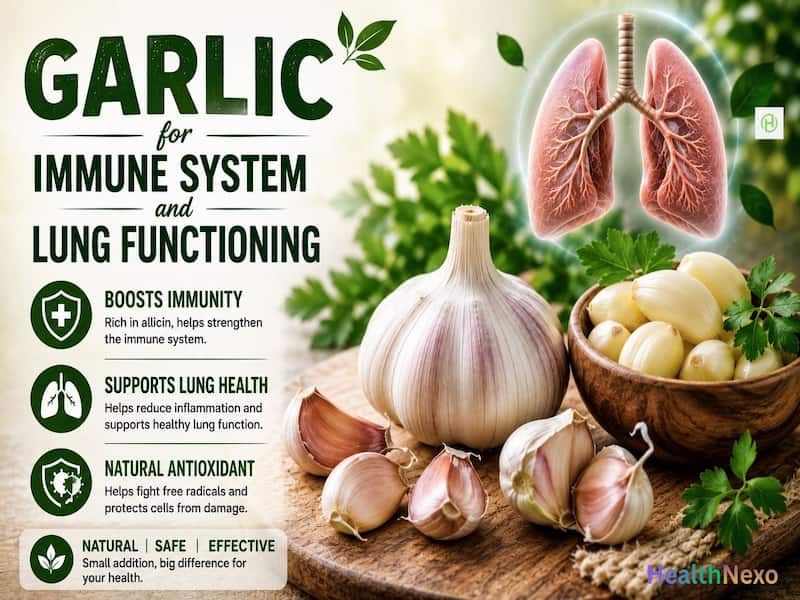
6. Garlic for Immune System and Lung Functioning
Garlic is very abundant in Alliiun and is loaded with very strong antioxidant abilities. Its regular intake may be beneficial for strengthening the immune system and proper breathing process.
Mechanism of Action
Garlic (allicin) → Antioxidant and anti-inflammatory action → Support of immune system functioning → Reduction of oxidative stress → Promotion of lung functioning
Way to Use: Use fresh garlic in your soups, vegetables, and cooked food
Recommended intake: 1–2 cloves per day
7. Peppermint Tea for Proper Breathing
Peppermint tea is another easy to use and effective natural herbal treatment. Peppermint’s cooling sensation can be helpful for the throat irritation. You’ll find peppermint is a great herbal for breathing difficulty.
How It Works
Peppermint tea (menthol) → Soothes the throat → provides a cooling sensation → Promotes easier breathing → supports temporary respiratory comfort
How to Prepare
Ingredients
- 1 peppermint tea bag or 1 tablespoon fresh peppermint leaves
- 1 cup hot water
Instructions: Steep for 5–10 minutes, strain if needed, and drink warm
Recommended Intake: Drink 1–2 cups daily
8. Salt Water Gargle for Throat and Airway Comfort
Try this easy home remedy for the feeling of a scratchy, or sore, throat. This remedy uses the benefits of warm salt water to help reduce the feeling of swelling that may occur during a cold or allergies.
How It Works
Warm salt water → Reduces throat irritation → Loosens mucus → helps clear the throat → Promotes temporary throat comfort
How to Prepare
Ingredients
- ½ teaspoon salt
- 1 cup warm water
Instructions: Mix well and gargle for 30 seconds, then spit out
Recommended Intake: Gargle 2–3 times daily as needed
9. Stay Well Hydrated for Healthy Lungs
You should also sip the liquid fluid to aid your lung’s cleansing action. If your mucous stays liquid, it can get pushed up out of your lungs easily to prevent bacteria, bugs, and particles.
How It May Help
Proper hydration leads to proper mucus thickness → Ensures mucus is cleared out → Helps to keep airways moisturized → Healthy lung functioning
How to Do It
Consume plenty of water and hydrating foods like fruits, vegetables, and soups.
Fluids Consumption: Consume 2–3 liters of fluids per day, unless recommended otherwise by a medical professional.
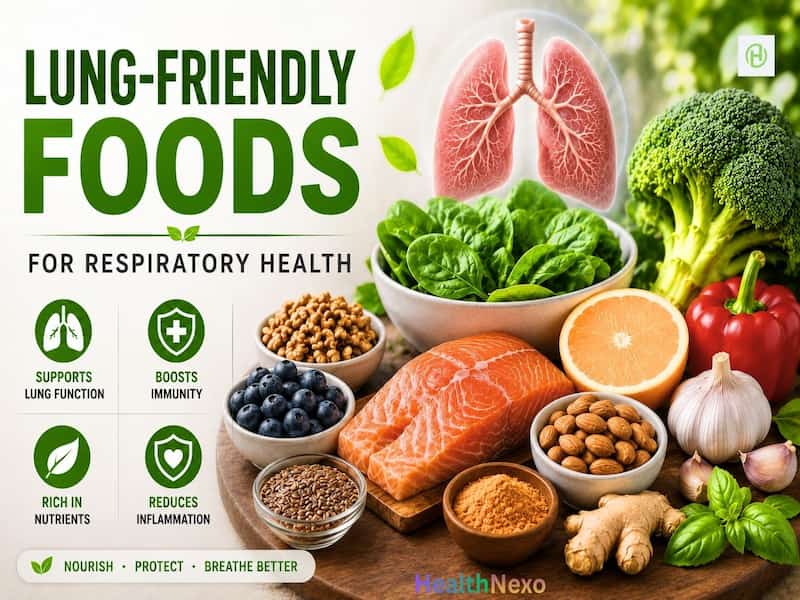
10. Consume Lung-Friendly Foods for Respiratory Health
A variety of foods healthy for your lungs can do more than you imagine for your lungs. Eating well can also help in the maintenance of lung tissue.
How It Supports Lung Health
Lung-friendly foods → Provide antioxidants and essential nutrients → help reduce oxidative stress → Support immune and respiratory health → Promote healthy lung function
Foods to Include
- Berries
- Citrus fruits
- Spinach
- Broccoli
- Tomatoes
- Walnuts
- Chia seeds
- Flaxseeds
- Fatty fish
Recommended Intake: Include a variety of these foods in your daily meals
11. Deep Breathing Exercises for Stronger Lungs
The ability to take in air and fill your lungs can help you breathe in a more effective manner. Deep breathing exercises help train your diaphragm, allowing you to take deeper breaths and expand your lungs more effectively.
Possible Mechanism
Deep breathing techniques → Expand lungs → Help improve oxygen transfer → Enhance respiratory muscle strength → Assist lungs to function properly

How to do it
- Breathe in through your nose in 4 seconds
- Hold breath for 2 seconds
- Breathe out slowly through your mouth in 6 seconds
Recommended Consumption: Do it for 5–10 minutes per day
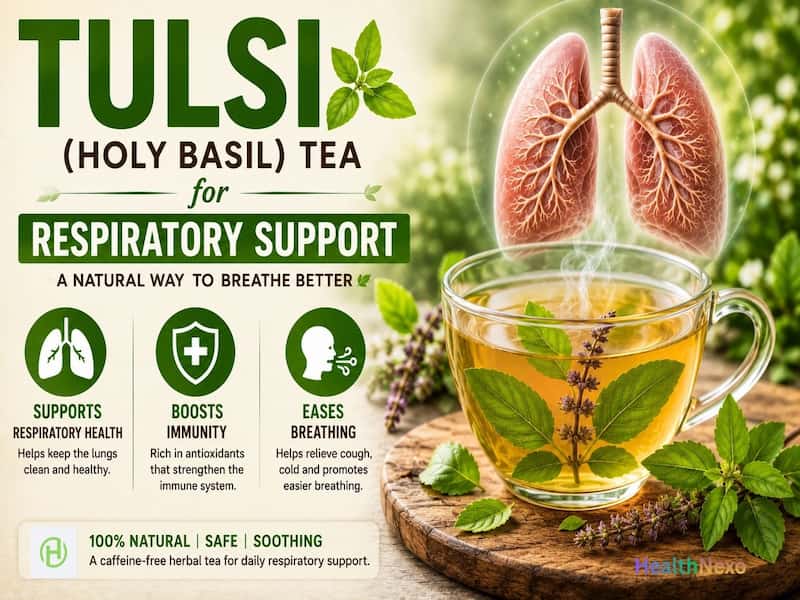
12. Tulsi (Holy Basil) Tea for Respiratory Support
It is an ancient plant cultivated extensively by the Indian as well as by Southeast Asian householders, which has served many household purposes, particularly for improving and maintaining respiratory health, enhancing the immune system, and various other such ailments.
How It Can Help Your Lungs Function Properly
Holy Basil (Tulsi) → Antioxidant and anti-inflammatory properties → help reduce oxidative stress → Assist in improving the immune and respiratory system
How to Prepare
Ingredients
- 8–10 fresh Tulsi leaves
- 2 cups water
- Honey (optional)
Instructions: Boil the leaves for 10 minutes, strain, and add honey if desired
Recommended Intake: Drink 1 cup daily.
Evidence Level: Numerous remedies are studied by humans for improving respiration, using research where few people and lab experiments were involved to get promising results. Asthma, COPD, pneumonia and cancer cannot be cured with this treatment. But this is useful for dealing with those things that cause problems in the lung.
Safety Considerations
- Avoid honey consumption by babies less than one year old.
- Ginger, turmeric, and garlic can interfere with blood thinning drugs.
- Be careful while using the steam inhalation method to avoid burning.
- Do not try any home remedy in case of allergies from its ingredients.
- Seek consultation in case of pregnancy and breastfeeding, lung diseases, or taking prescription drugs.
Note: These home remedies aid in maintaining healthy lungs but cannot replace medical care.
Additional Tips for Healthy Lungs
Along with these home remedies:
- Don’t smoke
- Steer clear of second-hand smoke
- Do exercise
- Keep your weight under control
- Have sufficient sleep
- Clean the air inside your home
- Use a mask in many polluted places
- Stay up-to-date on immunizations
When to See a Doctor
Please understand that although these home tips help you have healthy lungs, they don’t serve as a treatment for common colds or any other diseases. You need to see a doctor if:
- Shortness of breath
- Chest pain
- Persistent cough lasting more than three weeks
- Coughing up blood
- High fever with breathing difficulty
- Unexplained weight loss
Bottom Line
By following home remedies for healthy lungs and making healthy lifestyle changes, you can support better respiratory health. Practice breathing exercises to strengthen your lungs. Eat a healthy, antioxidant-rich diet to protect your lung cells. Stay hydrated to keep your airways clear and prevent lung irritation and infection.
Engage in physical activity to strengthen your lungs and boost your breathing capacity. Quit smoking, as it can severely damage your lungs and is a primary cause of many lung conditions. If we talk about some simple natural remedies, then these may be effective in making breathing more comfortable and to protect the health of the lungs.
However, these methods can be of little use when it comes to treatment for long-term diseases such as lung cancer, COPD, asthma and pneumonia. Visit a doctor if any sort of lung problem such as the persistence of the cough, shortage of breath, chest pain or others are noticed.
Frequently Asked Questions (FAQs)
Q1. What are the best home remedies for healthy lungs?
Ginger tea, turmeric, honey, garlic, steam inhalation, hydration, breathing exercises, and Tulsi tea may support respiratory health.
Q2. Can home remedies clean the lungs naturally?
No. The lungs clean themselves naturally. Home remedies support lung health but cannot detoxify the lungs.
Q3. What is the best drink for healthy lungs?
Water is the best choice. Ginger tea, turmeric tea, and warm lemon water may also support respiratory wellness.
Q4. Is ginger good for lung health?
Yes. Ginger contains antioxidant compounds that may support normal respiratory function, but it is not a treatment for lung disease.
Q5. Can turmeric improve lung health?
Turmeric contains curcumin, which may support respiratory wellness as part of a healthy diet.
Q6. How can I keep my lungs healthy naturally?
Avoid smoking, exercise regularly, eat antioxidant-rich foods, stay hydrated, and reduce air pollution exposure.
References
- This article is based on evidence and guidance from:
- World Health Organization (WHO)
- American Lung Association
- National Heart, Lung, and Blood Institute (NHLBI)
- National Institutes of Health (NIH)
- National Center for Complementary and Integrative Health (NCCIH)
- Peer-reviewed studies indexed in PubMed
Evidence Review:
This article was prepared using guidance from the World Health Organization (WHO), National Heart, Lung, and Blood Institute (NHLBI), American Lung Association, Centers for Disease Control and Prevention (CDC), National Institutes of Health (NIH), and peer-reviewed studies indexed in PubMed.
⚕️ Medical Disclaimer
The information provided in this article is for educational and informational purposes only. It is not intended to be a substitute for professional medical advice, diagnosis, or treatment. Always consult a qualified healthcare professional before making any medical decisions, starting any treatment, or changing your current healthcare plan.

Md. Rakibul Hasan, BSc (Hons), MS (Thesis)
Biochemistry & Molecular Biology, University of Chittagong, Bangladesh
Senior Biochemist | Health Content Writer | Evidence-Informed Health Information Creator
Popular Diagnostic Centre Limited, Bangladesh.
He specializes in clinical biochemistry, laboratory diagnostics, and medical testing. Alongside his professional work, he is actively involved in health education and scientific communication.
As a Health Content Writer and Research-Based Health Information Creator, he simplifies complex medical and biochemical topics into clear, evidence-informed, and reader-friendly health information.