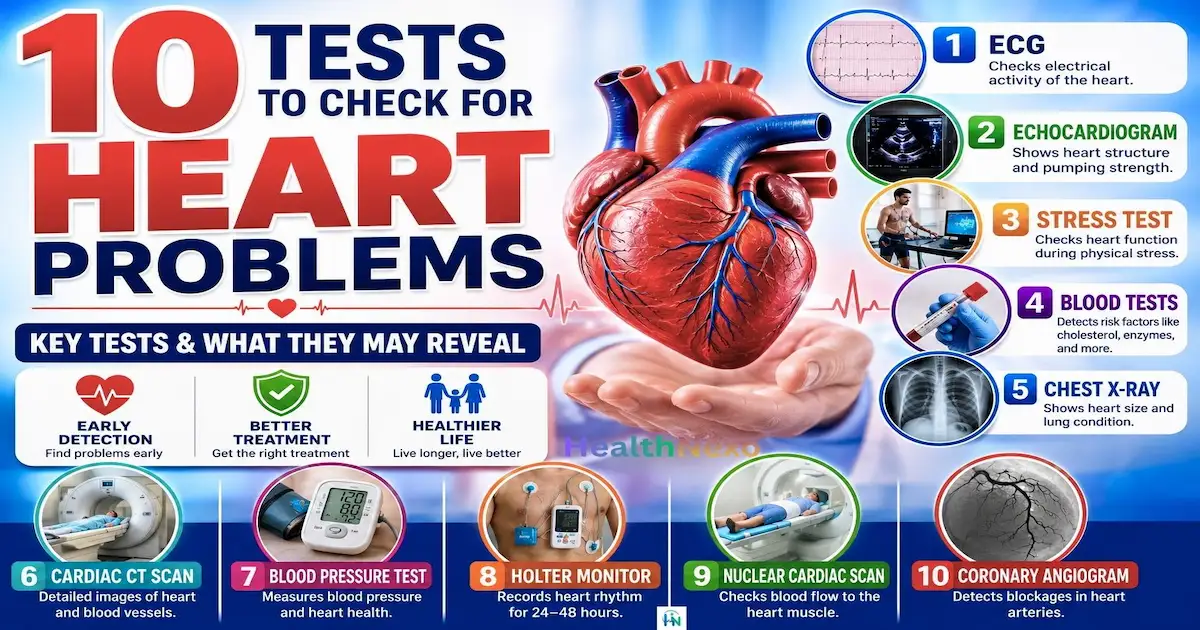
Heart problems can develop gradually and may cause few or no noticeable symptoms in the early stages. Symptoms may include chest pain, shortness of breath, palpitations, dizziness, fainting, and unusual fatigue. Doctors use different tests to check for heart problems based on symptoms, age, risk factors, and medical history. These heart tests can assess blood pressure, cholesterol levels, blood glucose, heart rhythm, heart function, heart muscle injury, heart failure, and coronary artery disease.
In this article, you’ll learn about 10 common tests used to check for heart problems, what they measure, what their results may reveal, and when they may be needed.
Key Takeaways
- Different heart tests assess different aspects of cardiovascular health.
- Blood pressure, cholesterol, and glucose tests help identify important heart disease risk factors.
- ECG checks heart rate, rhythm, and electrical activity.
- Echocardiogram evaluates heart structure, valves, and pumping function.
- Troponin testing can help detect heart muscle injury.
- Not everyone needs all 10 tests—the appropriate tests depend on symptoms, risk factors, medical history, and clinical findings.
Risk Factors for Heart Diseases
Several factors can increase the risk of developing heart disease, including:
- High blood pressure
- High LDL cholesterol
- Diabetes
- Smoking
- Obesity
- Physical inactivity
- Unhealthy dietary patterns
- Excessive alcohol consumption
- Chronic kidney disease
- Previous heart problems
- Older age
- Family history of heart disease
Why Are Tests to Check for Heart Problems Important?
These tests can help assess cardiovascular risk, heart symptoms, heart rhythm, heart function, heart muscle injury, and coronary artery disease.
- Heart risk factor testing: High blood pressure, high cholesterol levels, and high glucose levels tests may be used for diagnosing cardiovascular risk factors.
- Symptoms testing: Tests allow assessing chest pain, shortness of breath, palpitations, dizziness, and excessive fatigue.
- Heart muscle damage detection: Troponin may help detect heart muscle damage when a myocardial infarction is suspected.
- Heart function testing: Echocardiography allows evaluating heart chambers, heart valves, heart wall motion, and heart pumping function.
- Heart rhythm testing: ECG and Holter monitoring allow detecting certain heart rhythm disorders.
- Clinical Note: Not everyone needs all heart tests. Testing depends on symptoms, age, risk factors, medical history, and clinical findings.
10 Tests to Check for Heart Problems
The appropriate tests depend on a person’s symptoms, risk factors, medical history, and clinical findings.
1. Blood Pressure Test: A Key Check for Heart Health
Blood pressure measures the force of blood against artery walls and is an important indicator of cardiovascular health. Persistently high blood pressure can increase the risk of heart disease, heart failure, stroke, and kidney disease.
Blood Pressure Reference Range
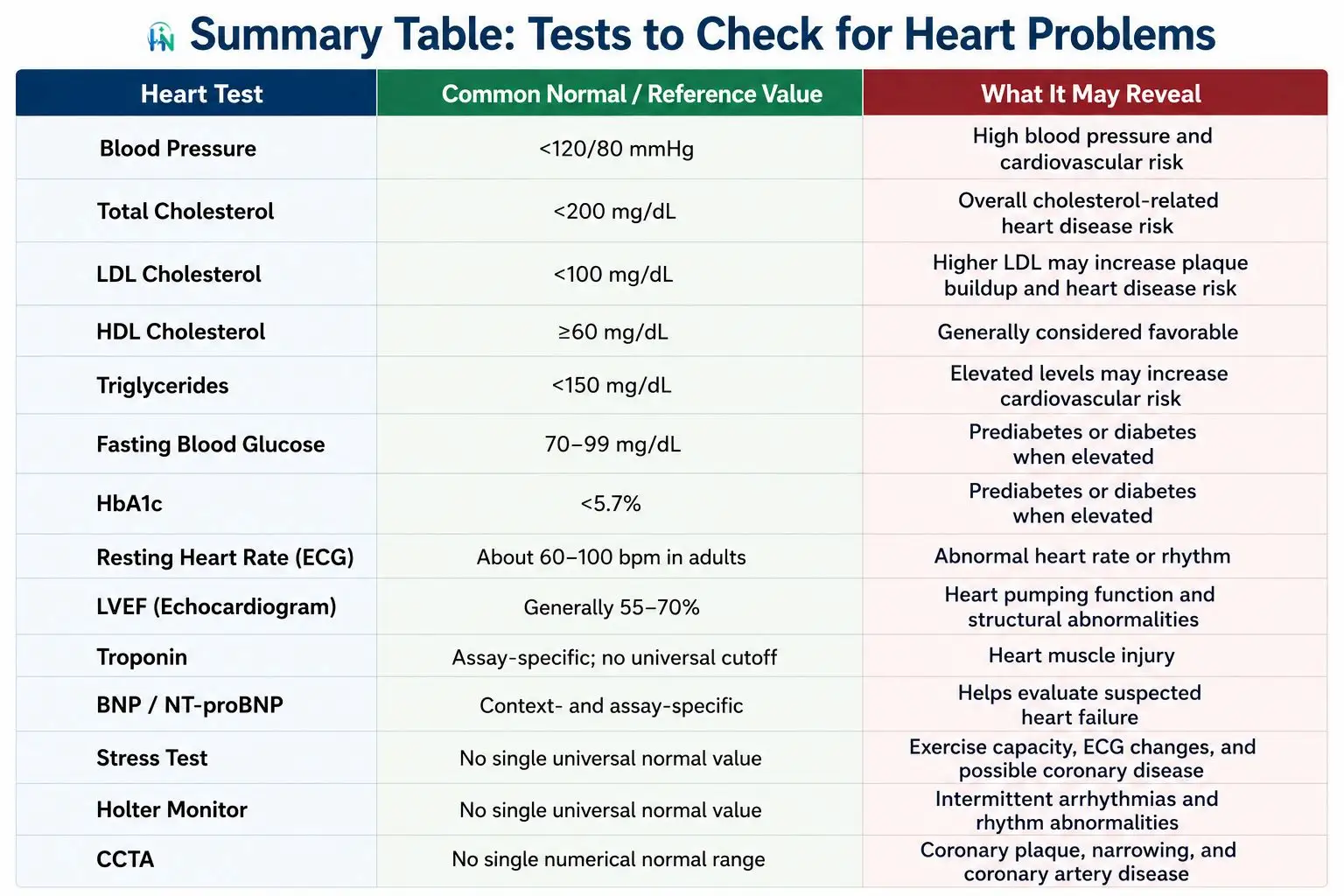
Common adult blood pressure categories include:
- Normal: Systolic <120 mmHg and diastolic <80 mmHg
- Elevated: Systolic 120–129 mmHg and diastolic <80 mmHg
- Stage 1 hypertension: Systolic 130–139 mmHg or diastolic 80–89 mmHg
- Stage 2 hypertension: Systolic ≥140 mmHg or diastolic ≥90 mmHg
- Severely high: Systolic ≥180 mmHg and/or diastolic ≥120 mmHg
Why It Matters
Persistently high blood pressure can increase the heart’s workload and damage blood vessels over time, raising the risk of coronary artery disease, heart failure, stroke, and kidney disease.
Clinical Note
A single high reading does not diagnose hypertension. If blood pressure is >180/120 mmHg, repeat the measurement after a brief rest and seek prompt medical evaluation.
2. Lipid Profile Test: Check Cholesterol Levels & Heart Disease Risk
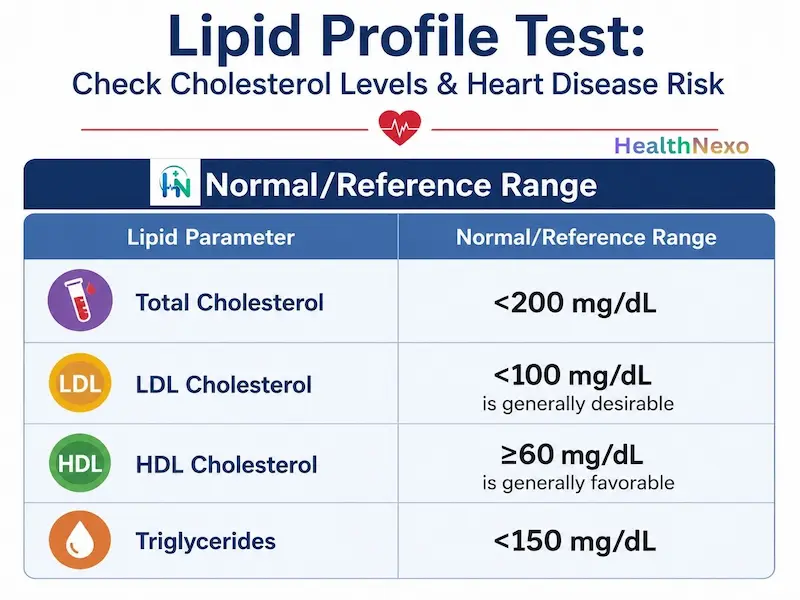
A lipid profile measures total cholesterol, LDL cholesterol, HDL cholesterol, and triglycerides. These levels help assess cardiovascular risk.
Common Reference Values
Commonly used adult reference values include:
- Total cholesterol: <200 mg/dL — generally desirable
- LDL cholesterol: <100 mg/dL — generally desirable, although individual targets may be lower for people at higher cardiovascular risk
- HDL cholesterol: ≥60 mg/dL — generally considered favorable
- Triglycerides: <150 mg/dL — generally desirable
Why It Matters
High LDL cholesterol can contribute to plaque buildup in the arteries and increase the risk of coronary artery disease, heart attack, and stroke.
Clinical Note
Cholesterol targets vary according to a person’s overall cardiovascular risk. People with established cardiovascular disease or other high-risk conditions may have lower LDL cholesterol targets.
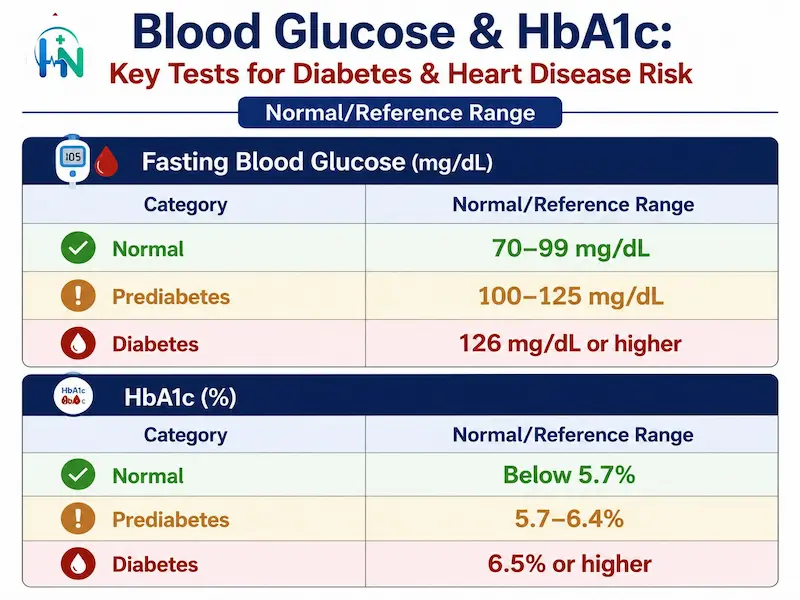
3. Blood Glucose & HbA1c: Key Tests for Diabetes & Heart Disease Risk
Blood glucose and HbA1c tests can help identify prediabetes and diabetes, both of which are important risk factors for cardiovascular disease. HbA1c provides an estimate of average blood glucose levels over the previous 2–3 months.
Normal/Reference Range
Fasting Blood Glucose:
- Normal: 70–99 mg/dL
- Prediabetes: 100–125 mg/dL
- Diabetes: 126 mg/dL or higher
HbA1c:
- Normal: Below 5.7%
- Prediabetes: 5.7–6.4%
- Diabetes: 6.5% or higher
Why It Matters
Persistently high blood glucose can damage blood vessels and accelerate atherosclerosis, increasing cardiovascular risk.
Clinical Note
A diabetes-range result generally requires confirmation unless there are clear symptoms or other diagnostic criteria. HbA1c may also be less reliable in some conditions affecting red blood cells.
4. Electrocardiogram (ECG/EKG): What Your Heart’s Electrical Activity Reveals
An electrocardiogram (ECG/EKG) records the heart’s electrical activity through electrodes placed on the skin. It can help assess heart rate, rhythm, electrical conduction, and certain signs of heart problems.
What Can a Normal ECG Show?
A normal resting ECG may show:
- A regular sinus rhythm
- A resting heart rate is commonly around 60–100 beats per minute in adults.
- No significant abnormalities in electrical conduction or waveform patterns
Why It Matters
An ECG can help evaluate chest pain, palpitations, dizziness, fainting, and shortness of breath. It may also detect certain abnormal heart rhythms and electrical abnormalities.
Clinical Note
ECG results should be interpreted by a qualified healthcare professional. A normal ECG does not rule out every heart or coronary artery problem.
5. Echocardiogram: A Key Test for Heart Structure & Function
An echocardiogram uses high-frequency sound waves to produce detailed images of the heart and assess its structure and function. It evaluates the heart chambers, valves, wall motion, blood flow, and pumping function. One important measurement is the left ventricular ejection fraction (LVEF).
What Is a Normal LVEF?
- Generally normal: 55–70%
A lower LVEF may indicate reduced pumping function, but interpretation depends on the clinical context and the specific guidelines used.
Why It Matters
Echocardiography can help identify heart failure, valve problems, enlarged chambers, abnormal wall motion, and other structural heart conditions.
Clinical Note
Heart failure can occur even when LVEF is normal or near normal. Therefore, LVEF should not be interpreted alone.
6. Cardiac Troponin Test: Check for Heart Muscle Injury
Cardiac troponin I (cTnI) and troponin T (cTnT) are heart-specific proteins that enter the bloodstream when the heart muscle is damaged. High-sensitivity troponin tests can detect small amounts of myocardial injury and are commonly used when a heart attack is suspected.
Troponin Reference Range
Troponin does not have one standard reference range that applies to every laboratory. The reference limit depends on the specific assay, laboratory, and testing method. High-sensitivity troponin tests generally use an assay-specific 99th-percentile upper reference limit.
Always compare your result with the reference range provided in your laboratory report rather than a general range found online.
Why It Matters
A higher-than-normal troponin level suggests injury to the heart muscle, but the result alone cannot establish that a heart attack has occurred. Elevated levels can also occur with heart failure, myocarditis, certain arrhythmias, pulmonary embolism, kidney disease, and other conditions.
Clinical Note
Troponin results should be interpreted with symptoms, ECG findings, physical examination, and changes in troponin levels over time. Doctors may use serial troponin tests to determine whether levels are rising or falling when evaluating suspected acute myocardial injury.
7. BNP or NT-proBNP Test: Check for Signs of Heart Failure
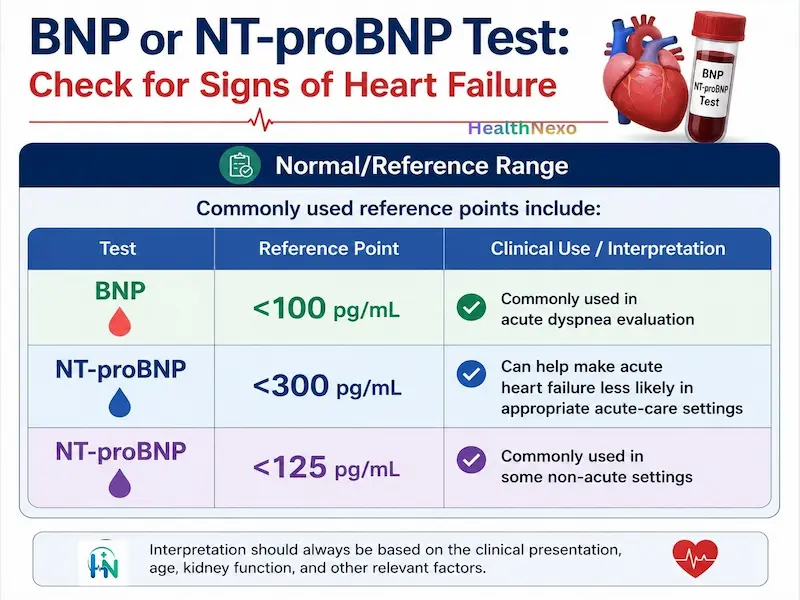
BNP (B-type natriuretic peptide) and NT-proBNP (N-terminal pro-B-type natriuretic peptide) are blood tests used to help evaluate heart failure, particularly in people with symptoms such as shortness of breath, swelling, or fatigue.
Common Clinical Cutoffs
Commonly used clinical cutoffs include:
- BNP: <100 pg/mL — commonly used in acute-care evaluation
- NT-proBNP: <300 pg/mL — commonly used to help make acute heart failure less likely in appropriate acute-care settings
- BNP: <35 pg/mL — commonly used in some non-acute settings
- NT-proBNP: <125 pg/mL — commonly used in some non-acute settings
These cutoffs can vary depending on whether testing is performed in an acute-care or non-acute setting, as well as the patient’s age and other clinical factors.
Why It Matters
Higher BNP or NT-proBNP levels can indicate increased stress or pressure on the heart and may support the evaluation of heart failure.
Clinical Note
BNP and NT-proBNP levels can be affected by age, kidney function, obesity, and other medical conditions. Results should be interpreted together with symptoms, physical examination, ECG findings, and, when appropriate, echocardiography.
8. Stress Test: Understanding How Your Heart Responds to Exercise
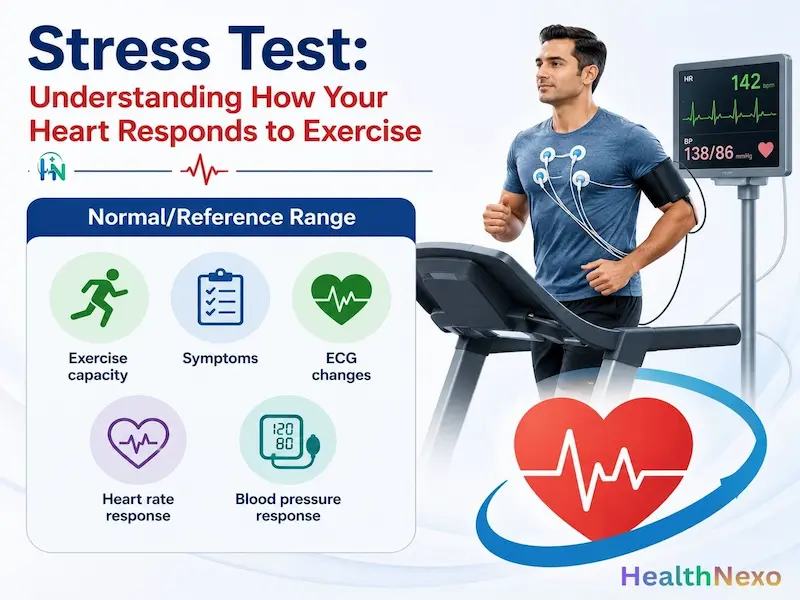
A stress test evaluates how the heart performs when it is working harder than usual. During an exercise stress test, you may walk on a treadmill or ride a stationary bike while your heart rate, blood pressure, and ECG are monitored.
Normal/Reference Range
There is no single universal normal value. Doctors assess:
- Exercise capacity
- Symptoms
- ECG changes
- Heart rate response
- Blood pressure response
Why It Matters
A stress test can help evaluate symptoms during physical activity, suspected obstructive coronary artery disease, exercise-induced arrhythmias, and overall exercise capacity.
Clinical Note
Stress testing cannot detect every type of heart disease and is not appropriate for everyone. Results should be interpreted in the context of symptoms and other clinical findings.
9. Holter Monitor: Check for Hidden Heart Rhythm Problems
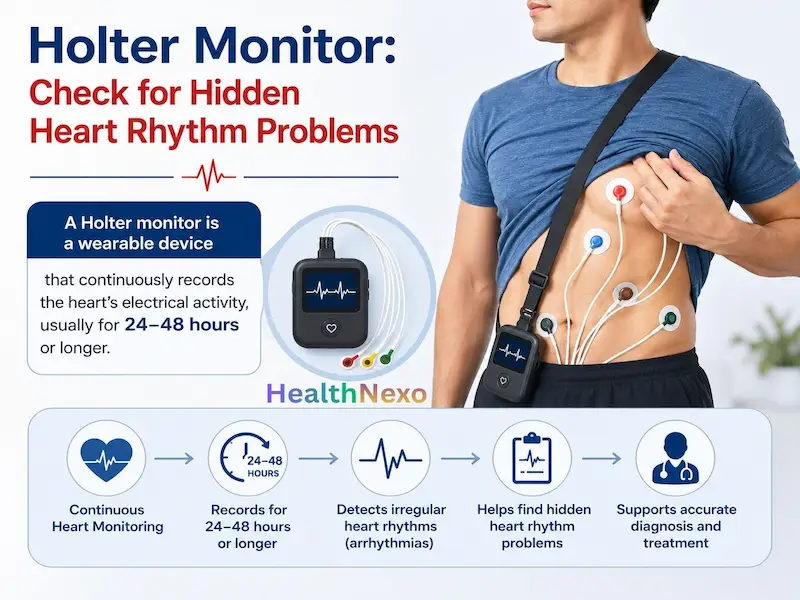
A Holter monitor is a wearable device that continuously records the heart’s electrical activity, usually for 24–48 hours or longer.
Normal/Reference Range
There is no single numerical normal range. Doctors assess:
- Average heart rate
- Minimum and maximum heart rate
- Heart rhythm
- Premature beats
- Pauses
- Episodes of arrhythmia
- The relationship between symptoms and rhythm changes
Why It Matters
A Holter monitor can detect intermittent heart rhythm abnormalities that may not appear during a short resting ECG.
Clinical Note
If symptoms occur less frequently than daily, longer-term ambulatory monitoring may be more useful than a 24–48-hour Holter monitor.
10. Coronary CT Angiography (CCTA): Assess Plaque, Narrowing & Coronary Artery Health
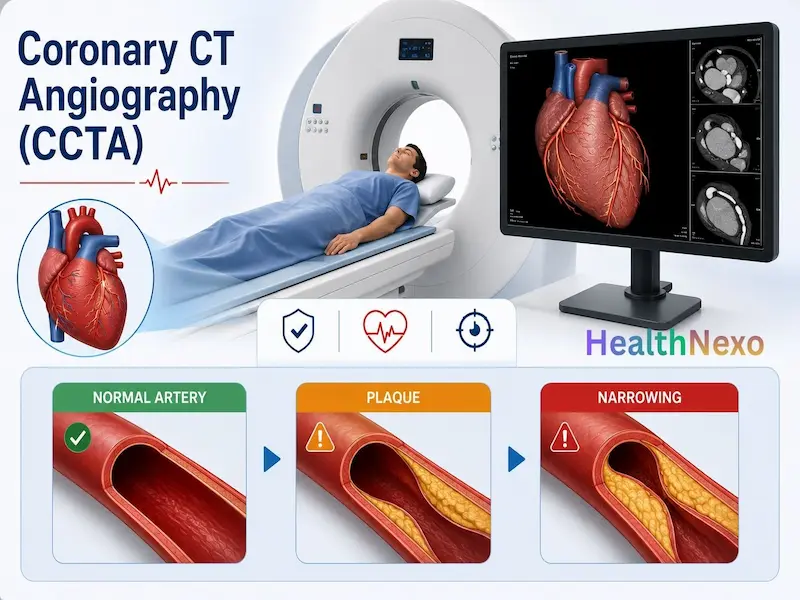
Coronary CT angiography (CCTA) uses computed tomography and contrast material to create detailed images of the coronary arteries. It can help identify coronary artery plaque and narrowing in appropriately selected patients.
What Can a CCTA Report Show?
A CCTA report may describe:
- No significant coronary artery disease
- The presence and extent of coronary plaque
- Mild, moderate, or severe coronary artery narrowing
- The location and severity of coronary artery disease
Why It Matters
CCTA provides detailed information about the structure of the coronary arteries and can help doctors evaluate suspected coronary artery disease in appropriately selected patients.
Clinical Note
CCTA is not a routine screening test for all healthy people. The need for CCTA depends on symptoms, cardiovascular risk, medical history, and other clinical findings. Because the test uses radiation and usually requires contrast material, a healthcare professional should determine whether it is appropriate.
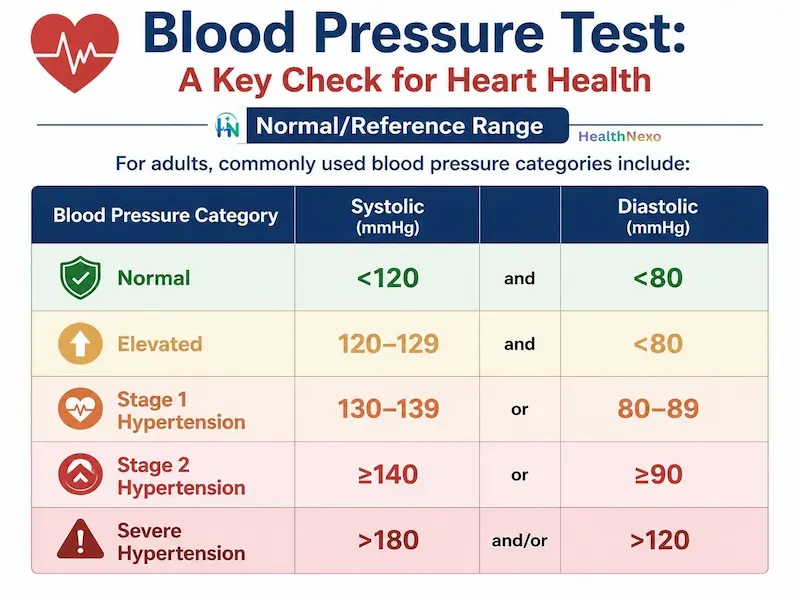
Heart Tests and Common Reference Values at a Glance
Heart Test | Common Reference / Finding | Important Note |
Blood Pressure | <120/80 mmHg | Generally normal |
Total Cholesterol | <200 mg/dL | Generally desirable |
LDL Cholesterol | <100 mg/dL | Lower targets may apply for high-risk people |
HDL Cholesterol | ≥60 mg/dL | Generally favorable |
Triglycerides | <150 mg/dL | Generally desirable |
Fasting Blood Glucose | 70–99 mg/dL | Generally normal |
HbA1c | <5.7% | Generally normal |
Resting Heart Rate | 60–100 bpm | Adults |
LVEF | 55–70% | Generally normal |
Troponin | Assay-specific | No universal cutoff |
BNP / NT-proBNP | Assay/context-specific | Clinical interpretation required |
Stress Test | No single range | Overall response assessed |
Holter Monitor | No single range | Heart rhythm patterns assessed |
CCTA | No single range | Coronary artery imaging assessed |
Note: Normal ranges may vary by laboratory, assay, age, sex, and clinical condition. Troponin values are especially assay-specific and should be interpreted by a healthcare professional.
Which Heart Tests Do You Actually Need?
These ten tests need not be done on everybody. Tests will depend upon the presence of symptoms, age, risk factors, past history, and findings. In asymptomatic individuals, testing might consist of the following:
- Blood pressure
- Cholesterol
- Glucose/HbA1C (when indicated)
- Body weight and lifestyle
- Smoking status
- Past and family history
- Cardiovascular risk overall
Tests Based on Symptoms
- Chest pain: An ECG and cardiac troponin testing may be needed, particularly when a heart attack is suspected.
- Palpitations: An ECG may be used initially. If symptoms are intermittent, a Holter monitor or longer-term ambulatory monitoring may be considered.
- Suspected heart failure: BNP/NT-proBNP and echocardiography may be used.
- Suspected coronary artery disease: Depending on the clinical situation, a stress test or coronary CT angiography (CCTA) may be considered.
What Can Affect Heart Test Results?
Some factors which affect test results are:
- Age and sex
- Kidney function
- Medications
- Physical activity
- Dehydration or acute illness
- Laboratory methods
- Timing of testing
- Other medical conditions
Clinical Note: Online reference ranges should not be used alone to diagnose a heart condition.
When Should You Seek Emergency Medical Care?
Seek emergency medical care for symptoms such as severe or persistent chest discomfort, difficulty breathing, fainting, cold sweats, extreme weakness, or discomfort spreading to the arm, shoulder, back, neck, or jaw.
Bottom Line
The right heart tests to check for heart problems can help identify cardiovascular risk factors, evaluate symptoms, detect heart conditions, and guide timely treatment. However, most people do not need all 10 heart tests. The appropriate tests for heart problems depend on symptoms, age, risk factors, medical history, physical examination, and clinical findings.
Frequently Asked Questions (FAQs)
Q1. What is the best test to check for heart problems?
There isn’t one perfect test. Electrocardiogram, blood tests, echocardiography, rhythm analysis, stress tests, and imaging of the heart test different things.
Q2. What blood tests check for heart problems?
Depending on the circumstances, troponin, BNP/NT-proBNP, lipid profile, fasting glucose, and HbA1c are among those.
Q3. What is the most important test for a suspected heart attack?
An ECG and cardiac troponin testing are key parts of evaluating a suspected heart attack. Doctors also consider symptoms, medical history, physical examination, and other clinical findings when making the diagnosis.
Q4. Can a normal ECG rule out heart disease?
No, because the ECG does not exclude each kind of coronary artery disease, arrhythmia, or heart abnormalities.
Q5. What is a normal troponin level?
There is no general threshold value here. The limit of reference depends on the assay and laboratory. It is always necessary to consider the range of values given in the test report.
Q6. Can heart disease be detected before symptoms appear?
Some cardiovascular risk factors are detectable in the absence of symptoms, but such screening cannot be carried out for each heart disease.
Q7. Do healthy people need all 10 heart tests?
No, they should be indicated depending on symptoms, risk factors, and patient’s medical history.
References
- American Heart Association – Understanding Blood Pressure Readings
- American Heart Association – Cholesterol
- American Diabetes Association – Diagnosis & Tests
- American Heart Association – Electrocardiogram (ECG/EKG)
- American Heart Association – Echocardiogram
- MedlinePlus – Troponin Test
- American Heart Association – Heart Failure Diagnosis
- American Heart Association – Stress Testing
- MedlinePlus – Holter Monitor
- RadiologyInfo – Coronary CTA
Medical Disclaimer
This article is for general educational purposes only and is not a substitute for professional medical advice, diagnosis, or treatment. Test ranges and results may vary by laboratory, testing method, and individual health factors. Do not self-diagnose or change treatment based on this information. Consult a qualified healthcare professional for medical concerns or abnormal results. Seek urgent medical care for severe or persistent chest pain, difficulty breathing, fainting, or other emergency symptoms.
Tags:

Md. Rakibul Hasan, BSc (Hons), MS (Thesis)
Biochemistry & Molecular Biology, University of Chittagong, Bangladesh
Senior Biochemist | Health Content Writer | Evidence-Informed Health Information Creator
Popular Diagnostic Centre Limited, Bangladesh.
He specializes in clinical biochemistry, laboratory diagnostics, and medical testing. Alongside his professional work, he is actively involved in health education and scientific communication.
As a Health Content Writer and Research-Based Health Information Creator, he simplifies complex medical and biochemical topics into clear, evidence-informed, and reader-friendly health information.