
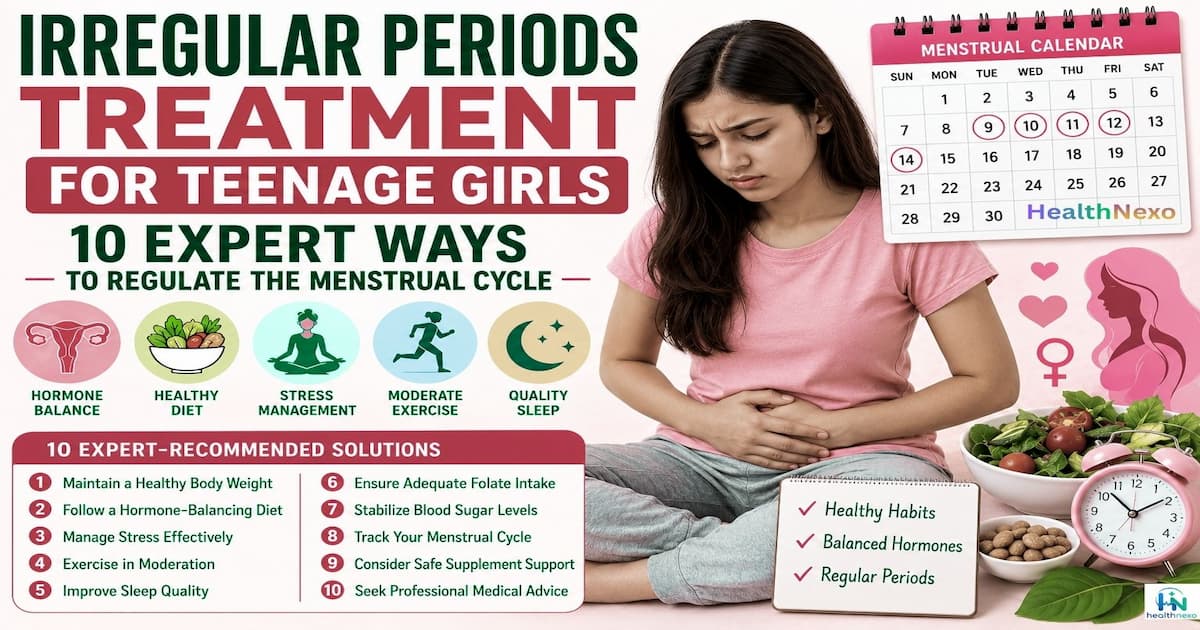
Irregular periods have always been one of the most common issues among teenage girls and adult women during their periods. Although irregular periods occur mostly in young girls at the stage of puberty. There may be other cases in which these irregularities occur among adult women. Irregular period treatment for teenage girls is very crucial issues for both parents and doctors. One positive thing is that this issue is manageable mostly with a proper diet and a healthy way of life.
This article contains all the information on the causes of irregular periods and irregular periods treatment for teenage girls. Additionally, there are also 10 suggestions for helping to control the irregularities of the menstrual cycle.
What Are Irregular Periods?
Normal menstrual bleeding occurs between 21 and 35 days. If you have irregular periods, this means that your menstrual cycle does not follow a fixed pattern. This implies that either the timing of your periods, or the flow of your period is unpredictable. As a result, your cycle changes from one period cycle to another.
Common indicators of irregular periods
There are several indicators of irregular periods. These are given below:
- Beginning of periods before their anticipated time
- Beginning of periods after their anticipated time
- Difference in period cycles
- Absence of periods for several months
- Menstrual bleeding either too much or too little
- Irregularity in your menstrual cycle
In most cases, irregular periods are not serious.
Types of Irregular Periods
Typically, there are several forms of irregular menstruation, based on variation in cycle and bleed:
1. Amenorrhea: Absence of periods for 3 or more consecutive months when pregnancy or the menopause cannot be excluded.
2. Oligomenorrhea: Irregular bleeding at intervals of 35 or more days.
3. Polymenorrhea: Irregular bleeding at intervals of 21 or fewer days.
4. Menorrhagia: Excessive menstrual bleeding.
5. Metrorrhagia: Intercycle uterine bleeding.
6. Dysmenorrhea: Painful menstrual periods that significantly disrupt daily activities.
Examples of Irregular Periods
Irregular periods refer to changes in the normal menstrual cycle pattern, timing, or flow. Some of the most common examples include:
- A menstrual cycle shorter than 21 days or longer than 35 days.
- Missing three periods in a row.
- Menstrual bleeding for more than seven days.
- Having too heavy or too light a menstrual period.
- Severe abdominal pain with menstruation, accompanied by nausea and/or vomiting.
- Bleeding outside your regular menstrual period.
- Bleeding after sex.
- Unexpected bleeding after menopause.
- Frequently changing pads and tampons.
A variation is occasionally normal, but if there is a dramatic change there might be a cause.
Common Causes of Irregular Periods
Causes can be attributed to illness, bad lifestyles, and external factors. Irregular menstruation happens when there is not enough hormone production in the female body.
1. Medical Causes:
- Hormone imbalance: When the amount of estrogen and progesterone is changed, the menstrual cycle will be affected
- Polycystic Ovaries (PCOS): One of the most common reasons for hormonal imbalance
- Hypoactive/hyperactive thyroid gland: It influences cycle irregularity
- Endometriosis: Women face pain during periods
- Pelvic Inflammatory Disease (PID): Caused by infection
- Primary Ovarian Insufficiency (POI): Premature aging of ovaries
2. Lifestyle Causes:
- Anxiety and stress: Causes an increased level of cortisol that affects reproductive hormones
- Rapid weight gain or loss: Can lead to ovulatory failure
- Excess physical activity: Leads to missed periods and ovulatory disorders
3. Other causes:
- Use of contraceptive pills: They may change a cycle temporarily
- Taking certain medicines like blood thinners and steroids
- Miscarriages or ectopic pregnancy
- Having pelvic surgery in the past
Symptoms of Irregular Periods
Women with irregular periods may experience:
- Missed or delayed periods
- Heavy or light menstrual bleeding
- Pelvic pain
- Severe cramps
- Fatigue
- Acne breakouts
- Mood swings
- Excess facial or body hair
- Difficulty predicting ovulation
The Impact of Irregular Periods on Overall Health
Most women, or especially teenage girls, believe that irregular periods are only simple problems for a few days. Menstrual irregularities may affect all aspects of both physical and emotional well-being.
Long-term irregular periods may lead to:
- Problems with fertility because the ovulations are irregular.
- Higher possibility of getting anemia from prolonged or heavy periods.
- Lack of energy and being tired.
- Problems with the mood and emotional problems.
- Sleeping disturbances.
- Quality of life decreases.
Diagnosis and Tests for Irregular Periods
Initially, your doctor will be asking questions about your past history and menstrual history. Various tests might be recommended, depending on your symptoms and past history. In order to discover the cause of your menstrual abnormality, the following tests are given below:
Common Diagnostic Tests
1. Blood Tests for Hormonal Evaluation
Blood tests will identify any hormone and metabolic imbalances that what is the main cause of irregular menstruation.
FSH (Follicle Stimulating Hormone): It helps in determining the ovarian function and development of follicles.
- Follicular Phase: 3-10 mIU/mL
LH (Luteinizing Hormone): This will reveal whether a person is ovulating
- Follicular phase: 2–12 mIU/mL
Ratio of LH: FSH
- Normal ratio: 1:1 (can be >2:1 in PCOS)
Prolactin: High prolactin is associated with delays or suppression of menstruation.
- Normal level: 5–25 ng/mL
TSH (Thyroid stimulating hormone): The thyroid gland plays an important role in regulating the menstrual cycle. An underactive or overactive thyroid can disrupt hormone balance and lead to irregular periods.
- Normal level: 0.4-4.0 mIU/L
Estradiol (Estrogen): Helps maintain the growth of the uterine lining
- Normal level: 30–400 pg/mL (depending on cycle)
Progesterone: Checks whether ovulation is happening
- Normal level: 5–20 ng/mL (during luteal phase)
Fasting blood glucose: To check insulin resistance associated with PCOS
- Normal level: 70–99 mg/dL
2. Pelvic Ultrasound
It is used as imaging for scanning the reproductive system. These detect the actual conditions like ovarian cysts and fibroids in the uterus.
3. Endometrial Biopsy
As for the current diagnosis test, a few cells were obtained from the endometrium for analysis in the FNAC lab. In addition to these problems, the examination of these cells reveals issues related to hormones and the uterine lining. This method is also used in the investigation of endometriosis.
4. Hysteroscopy
In this procedure, the physician places a narrow tube with a camera into the uterus via the cervix in order to observe the condition of the organ. By this way, detect reasons for menstruation disorders.
10 Expert Ways to Regulate the Menstrual Cycle
According to current research, the majority of treatment for irregular periods for teenagers is based on making changes. Changes will be part of treatment for teenage girls that have abnormal cycles. Here are 10 doctor-recommended solutions to normalize your abnormal cycles:
1. Maintain a Healthy Body Weight
Adipose tissue itself is an important source of estrogen and the endocrine gland. The failure of ovulation can be caused by low as well as high amounts of body fat due to the disturbance of the HPO axis. Hormone levels need to be managed and this can be done by the use of a healthy diet and a normal Body Mass Index.
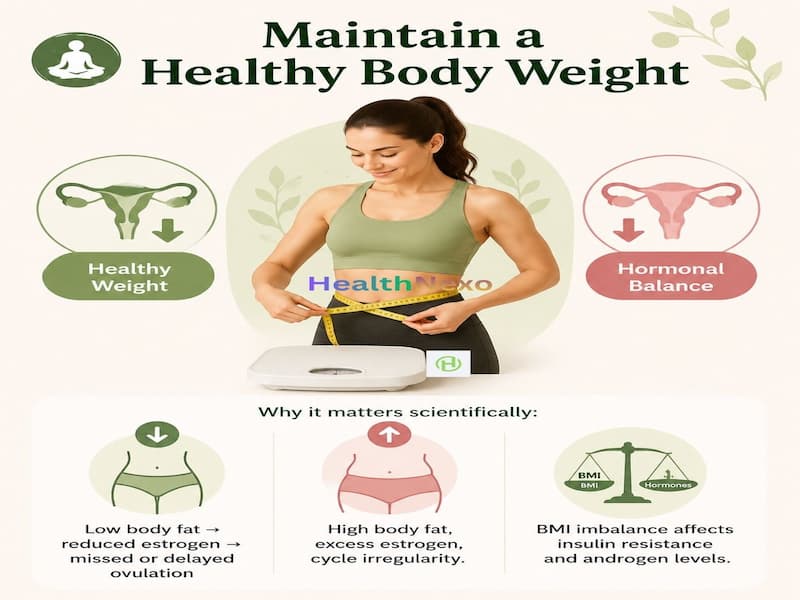
Why it matters scientifically:
- Low body fat → reduced estrogen → missed or delayed ovulation
- High body fat, excess estrogen, cycle irregularity.
- BMI imbalance affects insulin resistance and androgen levels.
2. Female hormone-balancing diet plan
The diet can strongly improve the insulin sensitivity and also the inflammatory factors in the body. The following nutrition program will help to balance your menstrual period and hormones.
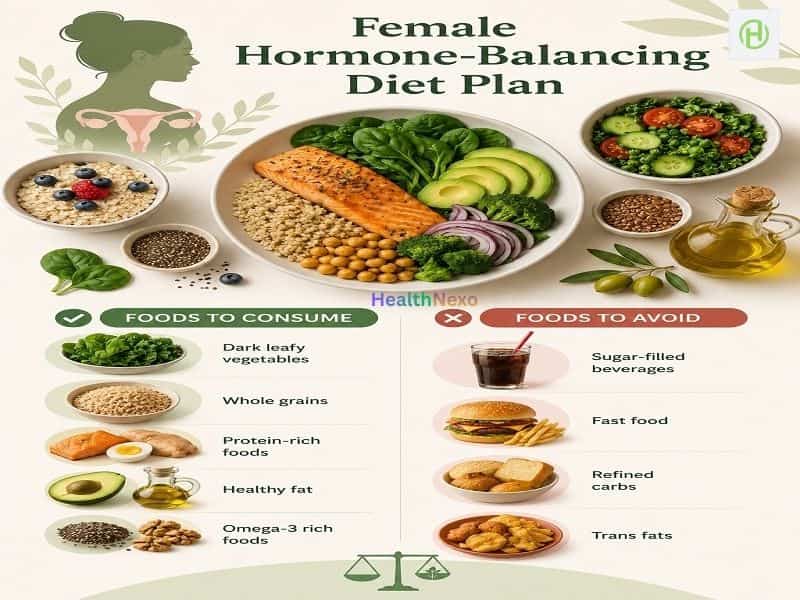
Scientific benefits:
- Fiber helps in reducing the excess estrogen absorption process.
- Omega-3 reduces inflammation related to PCOS.
- Proteins improve insulin levels in the body.
Foods to consume:
- Dark leafy vegetables (e.g., spinach, kale).
- Whole grains (rice, oats).
- Protein-rich food (fish, egg, poultry, legumes).
- Healthy fat (avocado, olive oil).
- Omega-3 rich foods (e.g., salmon, chia seed, flaxseed).
Foods to avoid:
- Sugar-filled beverages.
- Fast food
- Refined carbs
- Trans fats
3. Manage Stress Effectively
High concentrations of chronic cortisol may affect GnRH function within the brain. This might cause ovulation to be delayed.
Scientific significance:
- High cortisol level → impaired secretion of LH/FSH.
- Late or no ovulation
- Irregular menstrual cycle
Approaches for management:
- Meditation (lowers cortisol level)
- Yoga (balanced autonomic nervous system)
- Deep breathing
- Mindfulness practices
- Outdoor activities
4. Exercise in Moderation
Regular moderate exercise regulates the hormone levels and leads to insulin sensitivity. But without maintaining excessive exercise, reproductive function may be suppressed.
Scientific explanation:
- Moderate exercise → improves insulin response
- Excessive exercise → lowers estrogen → missed periods
Recommended activities:
- Walking
- Yoga
- Swimming
- Light jogging
- Moderate cardio (3–5 times/week)
5. Improve sleep quality naturally
Good sleep controls natural hormones in the body, such as melatonin, cortisol, and reproductive hormone. Absence of regular quality sleep reduces the regularity of the circadian rhythm. This may cause some disturbance when it is time for ovulation.
Scientific effects of poor sleep:
- Increased cortisol levels
- Reduced progesterone production
- Disrupted LH surge (affects ovulation)
Healthy sleep habits:
- 7–9 hours nightly sleep
- Fixed sleep schedule
- Avoid screens before bedtime
- Sleep in a dark, quiet environment
6. Ensure Adequate Folate Intake
The intake of folate should be ensured for the optimal reproductive health of your body. The correct amount of folate will balance hormones within the body and enable normal cycling. Folate supports overall reproductive health and healthy cell growth.
- Daily Recommended dosage: 400 mcg

Folate-rich food sources:
- Spinach, kale, mustard greens
- Lentils, chickpeas, beans
- Orange, papaya, avocado
- Brown rice, sunflower seeds
- Peanuts
7. Stabilize blood sugar levels
Irregular menstruation due to insulin resistance has been reported in polycystic ovary syndrome (PCOS).
Scientific connection:
- High insulin → increased androgen production
- Androgens disrupt ovulation
- Leads to irregular or absent cycles
How to stabilize blood sugar:
- Eat low glycemic index foods
- Include protein in every meal
- Avoid sugar spikes and refined carbs
- Eat smaller, balanced meals
8. Track Your Menstrual Cycle regularly
It may monitor your ovulation patterns and show irregularities from an early stage. Medically, it can play a role in the monitoring and diagnosis of ovulatory disturbances.
What to track:
- Cycle length
- Bleeding duration
- Flow intensity
- Ovulation signs
- PMS symptoms
- Mood and physical changes
9. Consider Safe Supplement Support
There are so many trace elements that are scientifically proven for the irregular period treatment for teenage girls. This supplement has specific functions for maintaining the well-being hormones and reproductive system. Some trace elements and vitamins affect hormone functioning, ovulation, and cycle of regularity.
Evidenced-based vitamins:
- Vitamin D – helps ovarian function
- Iron – helps avoid anemia due to severe bleeding
- Magnesium – helps avoid stress
- Omega-3 fatty acids – help prevent inflammation and aid ovulation
10. Seek Professional Medical Advice
It is important to see your doctor as part of your Irregular Periods Treatment for Teenage Girls. If irregular periods are caused by an underlying health condition, hormone imbalance may be the reason. In such cases, it is important to consult a doctor for proper diagnosis and treatment.
Common medical treatments for Irregular Periods:
Hormonal Therapy (Oral Contraceptive Pills – OCs): They can help stabilize the levels of hormones like estrogen and progesterone.
- Examples: Yasmin, Diane-35, Microgynon
Progestogen Therapy: This therapy helps induce withdrawal bleed and regular menstrual cycles.
- Examples: Duphaston (Dydrogesterone), Norethisterone
Metformin (metformin for Polycystic Ovary Syndrome): This helps improve insulin sensitivity and may support regular ovulation in women with PCOS.
- Example: Glucophage (metformin)
Thyroid Hormone Replacement Therapy: It restores the hormone balance of the patient.
- Examples: Euthyrox, Levothyroxine
Reproductive System Treatment: Some medications can be used for the management of infertility to stimulate ovulation, such as Clomid or clomiphene Citrate.
Important Note: These medications should only be taken under the guidance of a healthcare professional
Final Thoughts
Menstrual irregularities are generally not considered an abnormality, but they should not be ignored if recurrent. The causes of hormonal irregularities include lifestyle, stress, and weight changes. POD and thyroid are the key factors. Irregular periods in teenage girls can often be managed with healthy lifestyle habits and appropriate medical care when needed.
If symptoms persist or become severe, medical evaluation is important to identify the underlying cause and receive appropriate treatment. A balanced diet, regular exercise, and relaxation can restore balance. With an accurate diagnosis to rule out any underlying problems, hormones can be brought into better balance through correct treatment.
Taking precautions as mentioned above and receiving necessary medical assistance will enable most women to experience regular menstrual cycles.
Frequently Asked Questions (FAQs)
Q1. Can stress cause irregular periods?
Yes, because constant stress leads to hormonal imbalance, which results in delayed ovulation.
Q2. Can irregular periods affect fertility?
Yes, since irregular periods lead to irregular ovulation, it becomes hard to conceive.
Q3. What are the main causes of irregular periods?
Hormonal imbalance, PCOS, thyroid problems, stress, gain/loss of weight, and unhealthy habits are among some of the causes of this situation.
Q4. What is the best treatment for irregular periods?
The treatment depends on the underlying causes of the irregular period problem. It may range from lifestyle changes to medical treatment.
Q5. Can diet improve irregular periods?
Yes, the intake of a well-balanced diet with nutrients such as carbohydrates, proteins, fats, and vitamins can balance the hormones.
 Medical Disclaimer
 Medical Disclaimer
The information provided in this article is for educational and informational purposes only. It is not intended to be a substitute for professional medical advice, diagnosis, or treatment. Always consult a qualified healthcare professional before making any medical decisions, starting any treatment, or changing your current healthcare plan.

Md. Rakibul Hasan, BSc (Hons), MS (Thesis)
Biochemistry & Molecular Biology, University of Chittagong, Bangladesh
Senior Biochemist | Health Content Writer | Evidence-Informed Health Information Creator
Popular Diagnostic Centre Limited, Bangladesh.
He specializes in clinical biochemistry, laboratory diagnostics, and medical testing. Alongside his professional work, he is actively involved in health education and scientific communication.
As a Health Content Writer and Research-Based Health Information Creator, he simplifies complex medical and biochemical topics into clear, evidence-informed, and reader-friendly health information.


1 thought on “Irregular Periods Treatment for Teenage Girls:10 Expert Ways to Regulate the Menstrual Cycle”