

The best home remedies for insomnia described would undoubtedly serve to improve the quality of your sleep and thus benefit your mental and physical wellbeing. The sleep disorder insomnia is defined as: the failure to sleep an adequate amount of time during the night.
The result of Insomnia, i.e., loss of sleep, deteriorates most of our daily life activities and leads to serious chronic diseases like heart problems, obesity, diabetes, lack of concentration, drowsiness, and even emotional changes. However, insomnia can be treated with various methods, like home treatment, improving daily life habits, taking a sleeping ritual etc.
Follow this advice and find out the 16 best home remedies for insomnia or ways you could improve your sleep tonight naturally.
Insomnia Overview
Insomnia is a sleep disorder in which a person is not able to get a proper sleep pattern. This leads to inability to sleep, awakenings during the night, early morning awakenings which make them unable to go back to sleep.
Absence of adequate sleep results in impaired ability to perform various daytime activities, an impaired emotional state and physical state.
1. Acute Insomnia
Acute insomnia is of short duration and typically is triggered by some kind of stress or disturbance such as change of sleeping time zone, a disease, emotional stress or by a change of daily routines. The period could last from a few days to several weeks.
2. Chronic Insomnia
This chronic insomnia condition occurs three or more nights per week for a minimum of three months. Many different medical conditions, psychiatric conditions, drugs or habits can precipitate this type of insomnia.
Why Sleep Is Important for Health
Your body and brain need the proper amount of deep sleep. It’s during this time that your body’s repair and modernization system can do its work and the brain makes important decisions and sorts out information.
Benefits of Good Sleep
- Provides the body with new muscle and tissues
- Enhances memory, focus, and learning
- Enhances the immune system
- Aids in regulating hormone metabolism and balance
- Contributes to healthy blood pressure and heart function
- Decreases mood swings, anxiety, and stress levels
- Increases energy and productivity
- The recommended daily dose for most adults is 7–9 hours of sound sleep.
Most Common Causes of Insomnia
Several factors may contribute to sleep problems, including:
- Stress and anxiety
- Poor sleep habits
- Irregular sleep schedules
- Chronic pain or illness
- Sleep apnea
- Restless leg syndrome
- Depression and anxiety disorders
- Excess caffeine or nicotine
- Alcohol consumption
- Excessive screen time before bed
- Noise, bright lights, or uncomfortable bedding
Adverse effects of insomnia
Untreated insomnia can affect both the body and mind.
- Common Effects Include
- Daytime fatigue and low energy
- Poor concentration and memory problems
- Mood swings and irritability
- Increased risk of anxiety and depression
- Weakened immune system
- High blood pressure and heart disease
- Weight gain and metabolic imbalance
- Reduced physical performance and higher accident risk
16 best home remedies for insomnia to Sleep Better Tonight
We’ve outlined some of the best home remedies for insomnia to try for better sleep at night.
1. Drink Warm Milk before Bed
Among the best home remedies for insomnia, here are simple home remedies, and warm milk is the most traditional and the easiest for sleep. In warm milk, we find tryptophan, which causes more serotonin and melatonin to be produced. This is good for sleep and rest. Half an hour prior to your bedtime, have a glass of warm milk and enjoy a better sleep. You could also mix in a little bit of honey, turmeric and cinnamon to give it more sweetness.
2. Practice Meditation and Deep Breathing
Mindful meditation and controlled breathing are extremely useful to calm your mind and reduce your stress levels—two of the biggest factors that lead to insomnia. Mindfulness meditation, progressive muscle relaxation or 4–7–8 breathing may be able to help to reduce the heart rate and relax your system. You might find even just five to ten minutes of this is extremely effective at calming you.

3. Maintain a Consistent Sleep Schedule
The best home remedies for insomnia invariably recommend that a healthy sleep routine is vital in order to aid better quality natural sleep. Our body has its own alarm clock: it is called “the circadian rhythm” and is used to regulate our sleeping and waking up cycles.
By going to sleep and waking up at the exact same time on all days of the week, we can effectively maintain the natural body clock. As a result, these helps in promoting healthy, natural sleep and waking up without being sleep-deprived.
4. Reduce Screen Time before Bed
The blue light emitted from phones, tablets and TV sets will suppress the creation of melatonin, thus hindering you from getting enough quality sleep. Screen free 1–2 hours before you go to bed. A good read, light stretching or an album of some ambient music will help your body to relax.
5. Drink Herbal Tea (Chamomile or Valerian Root)
It is possible we only have to take one of the gently hypnotizing herbs such as Chamomile or Valerian root. Even a hot cup of an herbal tea a little time before you go to sleep (perhaps 30–60 minutes prior) might also make you more relaxed and stress-free.
Chamomile is also well-known for its use in medicine as a sedative and to aid sleep because of a compound that can be found in the plant which is thought to be responsible for this relaxing and sleep-inducing action: Apigenin. Apigenin is a form of antioxidant which can actually bind to certain areas of the brain, which leads to a sense of relaxation.

6. Keep Your Bedroom Cool, Dark, and Quiet
Of course, a better sleeping environment will also improve your quality of sleep. Your bedroom should be dark and cool and quiet, and this kind of environment tells your brain it’s time for bed. For instance, having a cool, dark room, with thick curtains that black out light, cool sheets, maybe a fan or white noise machine. Sleep is typically achieved at a temperature of 60–67 degrees Fahrenheit, which makes you sleepy in the first place.
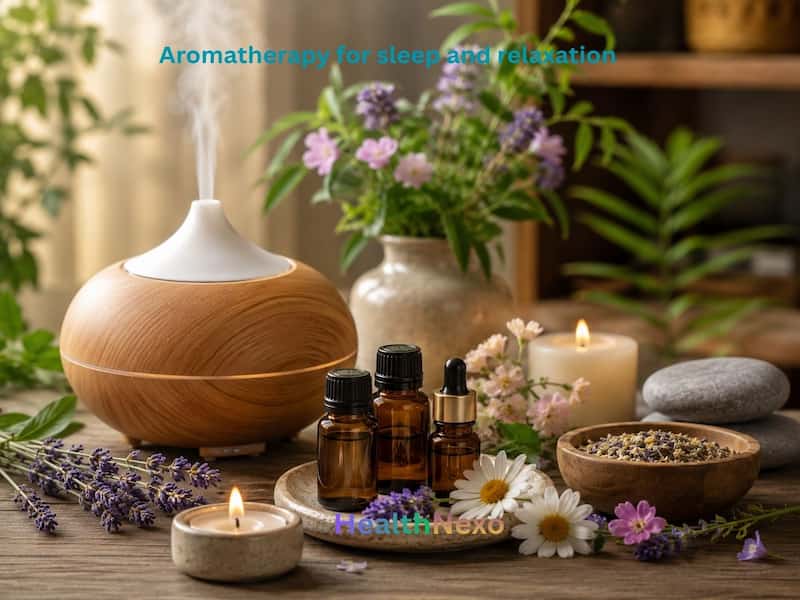
7. Aromatherapy for sleep and relaxation
Best Home Remedies for insomnia are filled with natural relaxing therapies, one of which is aromatherapy, which is great for increasing sleep and relaxing the body. Aromatherapy uses various essential oils and is great for reducing anxiety, stress and uneasiness that is endured from the lack of sleep. Some oils like lavender, sandalwood and chamomile are well known for their ability to relax the body and mind to help ease one into sleep.
8. Avoid Caffeine at Night
The consumption of stimulants such as caffeine during sleep should be avoided due to it having several hours’ worth of effects upon the body. Avoiding large meals in an evening should be avoided as the body has digestive processes which may interrupt sleep. You should avoid tea, coffee, chocolate and energy drinks 6–8 hours before going to bed, and avoid large meals in the evening 2–3 hours before going to sleep.
9. Exercise for better sleep at night
You should exercise daily because it is not just good for your body, but it also helps to improve your sleep as you fall asleep easier. For example, you could take part in relaxing exercise, such as going for a walk/cycling or participating in a yoga session. This would leave you feeling suitably tired, enabling sleep to come about much more easily. Absolutely no high-intensity exercise after about 8 o’clock. You’ll be much too alert, on top of being deprived of sleep already.
10. Take a Warm Bath or Shower
Tender muscles can be eased and a peaceful sleep encouraged if you have a nice hot bath or shower immediately before getting into bed. The decrease in temperature immediately on exiting the bath, at bedtime, will notify the brain that bedtime has arrived. You might also find aromatherapy essential oils (such as lavender or chamomile) beneficial to relaxation.
11. Yoga and Stretching
Gentle physical relaxation exercises are one of the most useful best home remedies for insomnia. Yoga and stretching have proved to be highly beneficial for achieving sleep. Mild practice of yoga and stretching works wonders in removing muscle tension and relaxing your body and mind before sleeping. Performing 10–15 minutes of yoga before bed can regulate breathing rate, relax the nervous system, increase the sleep quality, hence you fall asleep quickly and sleep soundly.
12. Reduce Stress and Overthinking
Stress and rumination are the top contributors to sleep loss. The practice of writing down your thoughts, keeping a gratitude journal or listening to guided relaxations can relax your mind. The more you think happy thoughts and let go of your worries, to give your mind a rest, to really give your mind a break so that it can be much more beneficial for sleep.
13. Use White Noise or Soft Music
White noise, rainfall, the sea or soft music may well drown out ambient noises so you may be able to drift off more quickly. Be careful not to turn it up too loud though, otherwise this may well be counterproductive. Try and use them consistently to gain optimum benefits with a regular sleep routine.
14. Limit Daytime Naps
An excessive or unplanned sleep in the afternoon may also cause the need for sleep. If it’s a nap, it should not be more than 20–30 minutes, and should be avoided, preferably at the end of the afternoon.
15. Melatonin Supplement for Better Sleep
The top best home remedies for insomnia treatment are most commonly associated with sleeping aid supplements, with melatonin being one of the best known supplements for treating sleep better. Melatonin is a naturally occurring hormone which is used in regulating a person’s sleep-wake cycle (circadian rhythm) and sends signals to a person’s brain that it is time for bed.
In people with insomnia and or trouble sleeping, the effects could perhaps help a person fall asleep faster, and better regulate a person’s sleep cycle. If taken correctly, at an appropriate dosage at an appropriate time, the individual should experience an increase in proper sleep timing with a decrease in inability to sleep.
16. Try Natural Supplements
If the healthy living tips alone prove not effective enough at inducing sound natural sleep, there are several natural remedies that can help people sleep soundly. The most common natural remedies are Melatonin, Magnesium, Valerian Root and Passionflower.

Natural Sleep aids:
- Melatonin: Helps to control the body’s natural sleep cycle and can aid the time taken for the body to respond to sleep.
- Magnesium: Muscle relaxing & calming of nerves.
- Valerian Root: An herbal remedy which promotes relaxation & reduces stress.
- Passionflower: May assist in stress reduction and improve sleep quality.
These remedies are a natural way to help relax your body and mind and to promote restful sleep.
Key takeaway
Sleep deprivation negatively affects a person’s physical and mental health, performance, and the overall quality of life, but happily it can be treated and can often be reversed by modifications in a person’s lifestyle.
Get back to sleep by trying these 16 best home remedies for insomnia, and you might find yourself asleep even tonight by using one or two of the following methods: Meditation, herbal teas, yoga, sleep hygiene, lifestyle changes.
Frequently Asked Questions (FAQs)
Q1: How much sleep do adults need?
The average adult requires 7 to 9 hours of quality sleep per night for a healthy lifestyle.
Q2: Do herbal teas actually aid sleep?
Yes it is true that there are various herbal sedatives available like camomile and valerian root that aid sleep.
Q3: Are supplements safe to take for sleep?
Sleep supplements are safe if taken correctly. Melatonin or magnesium, among others, can be taken safely but always see a doctor first and make sure they do not conflict with any other medicines that you are taking.
Q4: Can exercise combat insomnia?
Yes, you should try to get moderate exercise daily as this would contribute to better sleep quality and assist in falling asleep. Do not undertake hard exercise before going to bed.
Q5: How quickly do home remedies take to work?
While a warm milk or cup of tea will likely take effect for tonight, an adjustment like regular sleep will likely need several days, or weeks, to fully take effect.
 Medical Disclaimer
 Medical Disclaimer
The information provided in this article is for educational and informational purposes only. It is not intended to be a substitute for professional medical advice, diagnosis, or treatment. Always consult a qualified healthcare professional before making any medical decisions, starting any treatment, or changing your current healthcare plan.

Md. Rakibul Hasan, BSc (Hons), MS (Thesis)
Biochemistry & Molecular Biology, University of Chittagong, Bangladesh
Senior Biochemist | Health Content Writer | Evidence-Informed Health Information Creator
Popular Diagnostic Centre Limited, Bangladesh.
He specializes in clinical biochemistry, laboratory diagnostics, and medical testing. Alongside his professional work, he is actively involved in health education and scientific communication.
As a Health Content Writer and Research-Based Health Information Creator, he simplifies complex medical and biochemical topics into clear, evidence-informed, and reader-friendly health information.



16 thoughts on “16 Best Home Remedies for Insomnia to Sleep Better Naturally Tonight”