
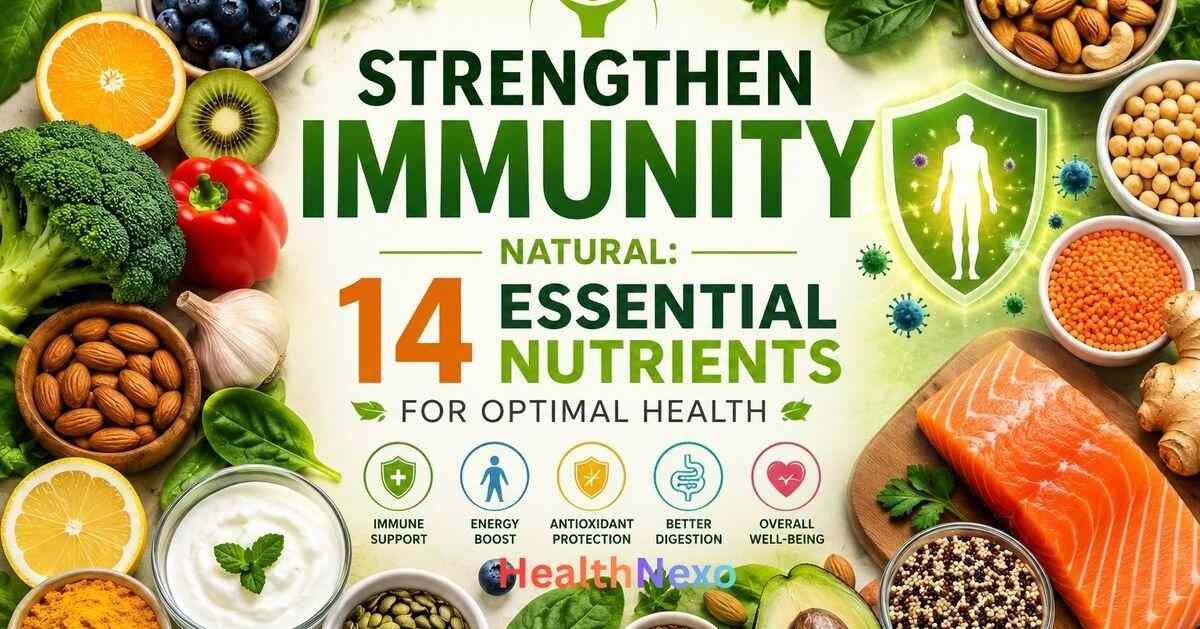
You can strengthen Immunity naturally by supplying your body with necessary vitamin, minerals and essential fats necessary to keep up immunity, energy and tissue rejuvenation.
For optimal immune functioning the right nutrition is quite important to your immune system. When the right nutrients are delivered into your body, your immune cells are better able to function and reduce swelling.
Ensuring adequate amounts of nutrient dense foods are consumed is therefore paramount in order to strengthen immunity naturally and maintain the health of the immune system in the long term.
Understanding immunity
The body’s very own defense mechanism that protects the body from potentially damaging foreign substances (such as bacteria, viruses, fungi, and poisons) is your immune system. As well as the body’s way of repairing cell damage, eliminating faulty cells, and generally maintaining good health and well-being.
There are two basic forms of immunity:
1. Innate (natural) Immunity
This can be thought of as your body’s front line of defense which is activated rapidly, although it acts in a generalized way against any potential threat. An example of such immunity:
- Your skin and mucous membranes preventing any unwanted invasion.
- The body’s white blood cells destroying organisms entering the body, e.g. Bacteria.
- Innate and inflammation/fever both mechanisms slow the propagation of the infection.
2. Adaptive (Acquired) Immunity
This is your body’s clever system that identifies a specific germ as foreign and produces antibodies and specialized immune cells that result in long-lasting immunity.
- Examples of acquired immunity: This is the kind of immunity you get from taking shots (vaccines).
- The defense your body has against a certain illness after having survived it
Main components of the immune system
White blood cells (WBCs): These are your bodies ‘security force’ and they can detect, and help to eliminate any potentially harmful invader.
- Antibodies: These are the specialized defense cells that work by disabling their target germ enemies to keep cells of the body from getting attacked or damaged by their attack.
- The lymphatic system: Spleen, lymph nodes, thymus and so on. The organs involved in the performance of immunity in numerous ways.
- Bone Marrow: This is where most of your new immune cells are made.
- Skin & mucous membranes: This is the first physical line of defense to your body and protects your body from all harm.
Importance of nutrients in human body
Nutrients are vital parts of the foods we eat that our body requires in order to develop, repair and stay alive.
1. Provides energy: carbohydrates give immediate energy needs, fats store energy, and protein also serves as backup energy.
2. Promotes growth: stimulates appropriate growth and development of many bones, muscles, and other tissues in the body.
3. Enhances immunity: vitamins and minerals keep mechanisms up at all times for the defense system of the body and boost the ability of the body to fight various diseases.
4. Brain Support: Act as a supporter for improving the memory, focus and overall cognitive ability of the body.
5. Controls body systems: Maintain metabolism, digestion, heartbeats and hormonal regulation.
6. Minimize risk factors of some diseases: stabilizes functions of the body, and reduce risks of the following diseases, i.e. Heart disease and diabetes.
Blood Tests for Nutrient Levels
These are tests to find out if your levels of vitamins D, B12, iron or magnesium are too low or too high. This is because you might be feeling tired really tired or weak all the time and you are losing hair and getting sick easily. The doctors want to check your actual levels of vitamins D, B12, iron or magnesium, in your body.
Most common Nutrient Tests:
- Vitamin D Test: Measures health and immunity level of the bone
- Vitamin B12 & Folate: Help determine if you are suffering from anemia or nerve problems.
- Iron profile: This displays the quantity of iron, total iron binding capacity (TIBC), and ferritin in your body and also helps you to see whether you are at risk for or suffering from iron deficiency anemia.
- The Panel of all comprehensive Vitamins and minerals: Vitamin A, Vitamin C, Vitamin D, Vitamin E, zinc, calcium, magnesium, and so on.
- CBC / BMP: This evaluates the health and levels of nutrients of the entire body.
Normal Ranges:
- Vitamin A: 30-80 g/dL
- Vitamin C: 0.2-2 mg/dL
- Vitamin D: 0.7-3.3 ng/mL
- Vitamin E: 5-25 mg/L
Early signs of nutrient deficiency
It is also true that rather small short-falls in your diet will manifest themselves as fatigue, poor immunity and generally a feeling of being “run-down”. The signs include:
- Fatigue and the lack of strength
- Lack of hair growth or brittle nails
- Pale, dry skin
- Mouth ulcers and/or dry cracked lips.
- Pains and aches in the joints and bones.
- Low immunity / No immunity / frequent illness
- Mental states shift frequently and actually, brain fog remains constant.
- Also, poor wound healing remains such a problem.
14 Essential Nutrients to Strengthen Immunity Naturally
1. Vitamin A
It strengthen immunity naturally by involving in the epithelial tissues of the body that forms a physical barrier between the external and internal environment thereby helping to defend the body against infection. The body will make white blood cells with its help too.

Recommended Dietary Allowances:
- Men — 900 µg/d
- Women — 700 mcg/d
Nutrient sources: Carrot, Sweet Potato, Spinach, Kale, Egg and liver.
Recommended intake level: Adult: 700 to 900mcg/d, and Child: 300 to 600mcg/d
Standard food measurement guide: 1 medium carrot- 500grams, and 1 cup of spinach- 280grams
2. Vitamin B1 (Thiamine)
This strengthen immunity naturally and converts carbohydrate into energy useful for muscles, brain and other vital organs of our body.
Recommended Dietary Allowances:
- Men – 1.2 mg.
- Women – 1.1 mg
Nutrient sources: Whole grains, brown rice, beans, sunflower seeds and pork.
Recommended intake levels: 1.1-1.2 mg/d (Adults), and 0.5-0.9 mg/d (Children)
Standard food measurement guide: 1 slice whole grain bread (0.1 mg), and 1 cup cooked beans (0.4 mg)
3. Vitamin B6
Your body needs this vitamin for protein digestion, to encourage the development of brain function. Immune cells and antibodies which protect your body from many serious infections.
Recommended Dietary Allowances: Adults: 1.3–1.7 mg
Nutrient sources: Bananas, chickpeas, tuna, potatoes, and poultry
Recommended intake levels: 1.3–2 mg/d (Adults), and 0.5–1 mg/d (Children)
Standard food measurement guide: 1 cup chickpeas (1.1 mg), and 1 medium banana (0.4 mg)
4. Vitamin B12
Vitamin B12 or cobalamin boosts the production of new red blood cells (RBC) at regular intervals. Another key role is keeping the system so that it helps to make DNA properly. Without regular intake of vitamin B12 people can get some problems such as anemia and have nervous system.
Recommended Dietary Allowances: Adults — 2.4 mcg/d
Nutrient sources: Fish, meat, eggs, dairy products, and fortified cereals
Recommended daily intake levels: 2.4 µg/day
Standard food measurement guide: 3 oz salmon (4.9 µg), and 1 cup fortified cereal (1.5 µg)
5. Vitamin C
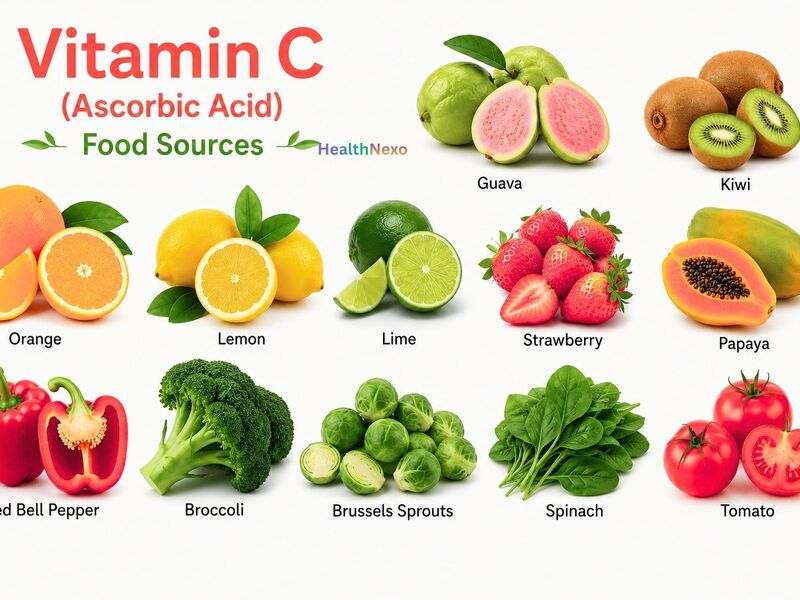
A strong antioxidant which will build up your immune system, and make collagen to have good skin and blood vessels, and will also speed up wound healing. Also you won’t be ill with a cold so long.
Recommended Dietary Allowances:
- Men — 90 mg
- Women — 75 mg
Nutrient sources: Oranges, lemons, grapefruits, strawberries, bell peppers, and broccoli
Recommended intake levels: 60–90 mg/d (Adults), and 45–75 mg/d (Children)
Standard food measurement guide: 1 medium orange (70 mg), 1 cup strawberries (150 mg), 1 cup broccoli (100 mg)
6. Vitamin D
Bone health leads to a healthier stronger skeleton because calcium is better absorbed and retained. Vitamin D is reported to also stimulate your immune system, and lift your mood.
Recommended Dietary Allowances: 600–800 IU for Adults
Nutrient sources: Sunlight exposure, fatty fish, egg yolks, and fortified milk
Recommended intake levels: 600–800 IU/d (Adults), and 400–600 IU/d (Children)
Standard food measurement guide: 3 oz salmon (450 IU), and 1 cup fortified milk (100 IU), 10 min sunlight (~10,000 IU)
7. Vitamin E
Vitamin E, otherwise known as tocopherol contains a fat-soluble antioxidant that strengthens immunity naturally, thereby helping the body regulate the process of oxidation and enhance immune cells.
Recommended Dietary Allowances: 15 mg for Adults
Nutrient sources: Almonds, sunflower seeds, spinach, avocados, and vegetable oils
Recommended intake levels: 15 mg/d (Adults), and 6–11 mg/d (Children)
Standard food measurement guide: 1 oz almonds (7 mg), and 1 tbsp sunflower oil (5 mg)
8. Vitamin K
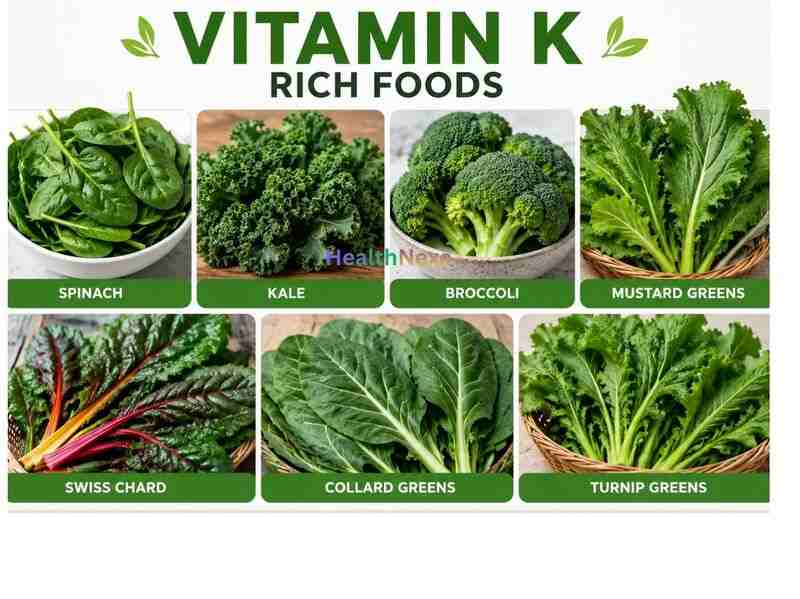
Vitamin K is Key for strengthen immunity naturally by blood clotting and for bone mineral density.
Recommended Dietary Allowances:
- Men: 120 mcg
- Women: 90 mcg
Nutrient sources: Kale, spinach, broccoli, and Brussels sprouts
Recommended intake levels: 90–120 µg/d (Adults), 30–60 µg/d (Children)
Standard food measurement guide: 1 cup kale (550 µg), and 1 cup broccoli (90 µg)
9. Calcium
Calcium is another of those essential minerals needed to make the bones, teeth and muscles and nerves strong. And, it works as one of the important minerals for a heart as well.
Recommended Dietary Allowances: 1000 mg for adults
Nutrient sources: Milk, yogurt, cheese, sardines, and leafy greens
Recommended intake levels: 1000–1300 mg/d (adults), and 700–1300 mg/d (Children)
Standard food measurement guide: 1 cup milk (300 mg), and 1 cup cooked kale (180 mg)
10. Iron
Without iron, we would just die. Our body use iron in blood cells for oxygen transport all around our body. It is also used in order to maintain the immune system working.
Recommended Dietary Allowances:
- Men: 8 mg
- Women: 18 mg
Nutrient sources: Red meat, lentils, beans, spinach, and tofu
Recommended intake levels: 8–18 mg/d (adults), and 7–11 mg/d (children)
Standard food measurement guide: 3 oz beef (2.5 mg), and 1 cup cooked lentils (6.6 mg)
11. Magnesium
A part from having all the benefit for the nerves and muscle, Magnesium is a good choice to strengthen your body’s immunity, and for blood pressure.
Recommended Dietary Allowances:
- Men: 400–420 mg
- Women: 310–320 mg
Nutrient sources: Almonds, pumpkin seeds, whole grains, and leafy greens
Recommended intake levels: 310–420 mg/d (Adults), and 80–240 mg/d (Children)
Standard food measurement guide: 1 oz almonds (80 mg), and 1 cup spinach (150 mg)
12. Zinc
Our body’s immune cells need Zinc to develop correctly. Zinc is required for our cells and growth and synthesis and healing of wounds. It also involved in the development and operation of the immune system.
Recommended Dietary Allowances:
- Men: 11 mg
- Women: 8 mg
Nutrient sources: Meat, shellfish, chickpeas, and pumpkin seeds
Recommended intake levels: 8–11 mg/d (Adults), and 3–8 mg/d (Children)
Standard food measurement guide: 3 oz beef (5 mg), and 1 cup cooked chickpeas (2.5 mg)
13. Potassium
Manages fluid balance in the body, soothes muscles and nerves, and also controls blood pressure, levels of potassium in the body.
Recommended Dietary Allowances: 2600–3400 mg (Adults)
Nutrient sources: Bananas, avocados, potatoes, and beans
Recommended intake levels: 2600–3400 mg/day (Adults)
Standard food measurement guide: 1 medium banana (422 mg), and 1 cup cooked potatoes (610 mg)
14. Omega-3 Fatty Acids
It’s been proven that the omega-3s are very beneficial to humans for strengthen immunity naturally. You will find that some benefits of the omega-3 fats for your body would be heart, eyes, and brain. Your body’s inflammation response may also be benefited by Omega-3s.
Recommended Dietary Allowances: 250–500 mg (Adults)
Nutrient sources: Salmon, sardines, chia seeds, flaxseeds, and walnuts
Recommended daily intake (RDI) level: 250–500 mg/day (EPA + DHA for adults)
Standard food measurement guide: 3 oz salmon (1.2 g), and 1 tbsp flaxseeds (2.4 g)
Final Thoughts
The nutrients and minerals that are supplied into the body on a daily basis form the building blocks that will strengthen immunity naturally and the rest of the body too. If you maintain your intake in each of your meals throughout the day you will have increased energy and your immune system will increase its build up, now your health & immunity is a great advancement into your future self.
Frequently Asked Questions about Immunity and Nutrients
Q1. Which vitamins/nutrients do you need for immunity?
There are 5 key nutrients which have a role in the immune system and those are; Vitamin C, Vitamin D, Iron, Zinc, and Omega-3 fatty acid.
Q2. Can diet improve the strength of immune system?
Absolutely, regular healthy eating habits with fruits, vegetables, good fats and whole grains slowly strengthen the immune system.
Q3. Which foods support your immune system?
Additionally foods support to your immunity which can be added to your diet include: citrus fruit, a variety of vegetables, nuts and seeds, fish, yoghurts, garlic and berries.
Q4. Do vitamins prevent you from getting ill?
Vitamins may contribute to the health of the immune function, and in turn its ability to protect your body from pathogenic infection.
 Medical Disclaimer
 Medical Disclaimer
The information provided in this article is for educational and informational purposes only. It is not intended to be a substitute for professional medical advice, diagnosis, or treatment. Always consult a qualified healthcare professional before making any medical decisions, starting any treatment, or changing your current healthcare plan.
Tags:

Md. Rakibul Hasan, BSc (Hons), MS (Thesis)
Biochemistry & Molecular Biology, University of Chittagong, Bangladesh
Senior Biochemist | Health Content Writer | Evidence-Informed Health Information Creator
Popular Diagnostic Centre Limited, Bangladesh.
He specializes in clinical biochemistry, laboratory diagnostics, and medical testing. Alongside his professional work, he is actively involved in health education and scientific communication.
As a Health Content Writer and Research-Based Health Information Creator, he simplifies complex medical and biochemical topics into clear, evidence-informed, and reader-friendly health information.

8 thoughts on “Strengthen Immunity Naturally: 14 Essential Nutrients for Optimal Health”